Table of Contents
ToggleSmart home tech tools have transformed how people interact with their living spaces. These devices automate daily tasks, improve energy efficiency, and add convenience to modern life. From voice-controlled speakers to intelligent thermostats, the options continue to expand each year.
But here’s the thing, not every smart device deserves a spot in your home. Some gadgets collect dust after the novelty wears off. Others become indispensable within days. This guide covers the essential smart home tech tools that actually deliver value, plus how to connect them into a system that works seamlessly together.
Key Takeaways
- The best smart home tech tools integrate with multiple platforms, respond reliably, and provide clear value over manual alternatives.
- Voice assistants like Alexa, Google Assistant, or Siri serve as the central hub for controlling your connected devices hands-free.
- Smart lighting and thermostats deliver the fastest returns through energy savings and convenient automation routines.
- Build your smart home ecosystem strategically by starting with a central hub and prioritizing high-use areas like the living room and front door.
- Choose your smart home platform based on your existing devices—iPhone users lean toward HomeKit, Android users prefer Google Home, and those wanting maximum device variety often choose Alexa.
- Smart home tech tools become more valuable as your ecosystem grows, so plan for compatibility using protocols like Wi-Fi, Zigbee, Z-Wave, or the new Matter standard.
What Makes a Smart Home Device Essential
An essential smart home device solves a real problem or saves meaningful time. It shouldn’t require constant troubleshooting or create more work than it eliminates. The best smart home tech tools share a few key traits.
First, they integrate with other devices. A smart plug that only works through its own app creates friction. A smart plug that connects to Alexa, Google Home, or Apple HomeKit becomes genuinely useful.
Second, essential devices offer reliable automation. Smart home tech tools should respond consistently. If a motion sensor triggers lights 90% of the time, that 10% failure rate gets frustrating fast.
Third, they provide clear value over manual alternatives. A smart lock that lets someone grant temporary access to guests or monitor entry logs offers something a standard deadbolt can’t match. Meanwhile, a smart toaster? Probably not essential.
Security, convenience, and energy savings represent the three pillars where smart home tech tools deliver the strongest returns. Devices that address these areas typically earn their permanent place in a connected home.
Top Smart Home Categories Worth Investing In
Not all smart home categories offer equal value. Some product types have matured into reliable, genuinely useful tools. Others remain gimmicky. Here are the categories where smart home tech tools make the biggest impact.
Voice Assistants and Smart Speakers
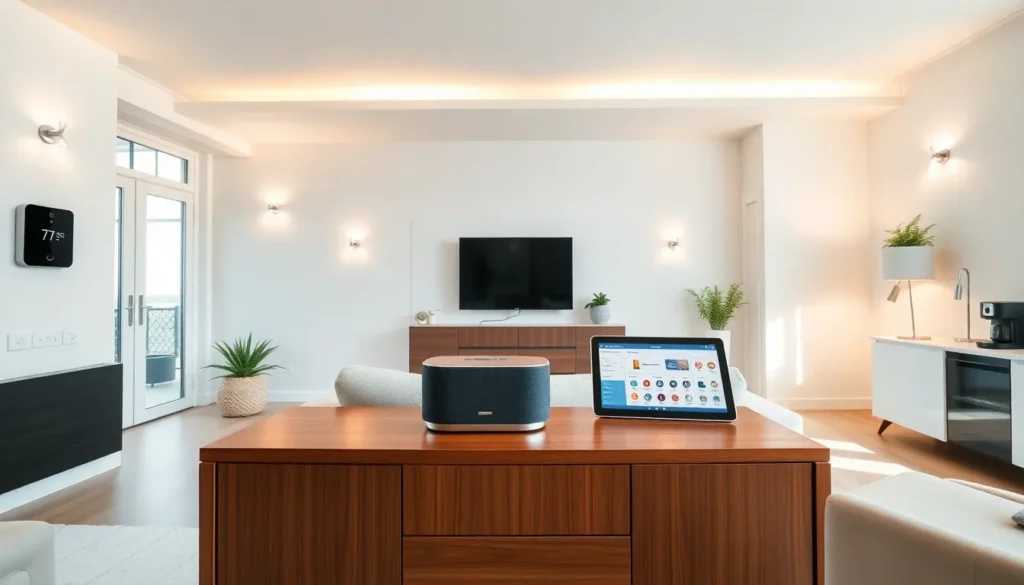
Voice assistants serve as the central hub for most smart home setups. Amazon Echo devices, Google Nest speakers, and Apple HomePod provide hands-free control over connected devices. They also handle music playback, timers, reminders, and quick information requests.
A quality smart speaker costs between $50 and $150. That investment unlocks voice control for lights, locks, thermostats, and dozens of other smart home tech tools. For households with multiple family members, voice commands often prove faster than pulling out a phone.
The choice between Alexa, Google Assistant, and Siri typically depends on existing ecosystem preferences. Alexa supports the widest range of third-party devices. Google Assistant handles complex questions better. Siri integrates tightly with Apple devices but supports fewer smart home products.
Smart Lighting and Climate Control
Smart lighting delivers immediate, noticeable benefits. Smart bulbs from Philips Hue, LIFX, or Wyze allow dimming, color changes, and scheduling without additional wiring. Smart switches offer a cleaner solution, they replace standard wall switches and work with existing bulbs.
Automation options include lights that turn on at sunset, dim gradually before bedtime, or flash when someone rings the doorbell. These smart home tech tools reduce energy waste and eliminate the “did I leave the lights on?” anxiety.
Smart thermostats represent another high-impact category. Devices like the Nest Learning Thermostat, Ecobee, and Honeywell Home save energy by learning household patterns. They adjust temperatures based on occupancy, weather forecasts, and time of day. Most households recover the $150-250 investment within two years through lower utility bills.
Smart home tech tools in the climate category also include smart fans, air purifiers, and humidifiers. These devices respond to air quality readings and temperature sensors to maintain comfortable conditions automatically.
How to Build a Connected Home Ecosystem
A connected home ecosystem requires planning. Random purchases lead to compatibility headaches and redundant apps. A strategic approach creates a unified system where smart home tech tools work together.
Start with a central hub or voice assistant. This device becomes the command center for other products. Most people choose between Amazon Echo, Google Nest, or Apple HomePod based on their smartphone preference and existing subscriptions.
Next, prioritize high-use areas. The living room and bedroom typically benefit most from smart lighting. The front door benefits from a smart lock and video doorbell. The kitchen benefits from smart plugs for coffee makers and small appliances.
Build automation routines that chain multiple devices together. A “Good Morning” routine might turn on lights, adjust the thermostat, start the coffee maker, and read the day’s weather forecast. A “Leaving Home” routine might lock doors, arm security sensors, and turn off all lights.
Smart home tech tools become more valuable as the ecosystem grows. A single smart bulb offers limited utility. Twenty smart bulbs controlled through voice commands and automated schedules transform how a household uses lighting.
Wireless protocols matter for long-term compatibility. Wi-Fi devices are common but can strain home networks. Zigbee and Z-Wave use separate radio frequencies and require a hub. The new Matter standard promises cross-platform compatibility between major brands.
Choosing the Right Smart Home Platform
Platform selection shapes the entire smart home experience. Each major ecosystem has strengths, limitations, and compatibility considerations.
Amazon Alexa leads in device compatibility. Thousands of smart home tech tools work with Alexa, from major brands to budget options. The ecosystem includes screens (Echo Show), plug-in devices (Echo Flex), and car adapters. Alexa routines offer powerful automation options.
Google Home excels at natural language understanding and integration with Google services. Users with Gmail, Google Calendar, and YouTube Premium find tight integration valuable. Device compatibility trails Alexa slightly but covers most major brands.
Apple HomeKit prioritizes privacy and security. All certified devices meet Apple’s encryption standards. The ecosystem works best for households already invested in iPhones, iPads, and Macs. Device selection is more limited, but available smart home tech tools tend toward premium quality.
Samsung SmartThings appeals to users who want a platform-agnostic hub. It works with Alexa, Google Assistant, and a wide range of Zigbee/Z-Wave devices. The platform suits technically-inclined users who want maximum flexibility.
Most people should choose based on their existing devices. iPhone households lean toward HomeKit. Android users typically prefer Google Home. Those prioritizing device variety often land on Alexa.