Table of Contents
ToggleHomeowners searching for renovation tips and ideas often feel overwhelmed by choices. Should they gut the kitchen or just swap out cabinet hardware? Hire a contractor or tackle it themselves? The answers depend on budget, timeline, and personal goals.
A successful home renovation balances ambition with practicality. It requires clear priorities, smart spending, and knowing which projects deliver the best return. This guide covers essential renovation tips and ideas that help homeowners make informed decisions, from setting budgets to choosing the right design trends.
Key Takeaways
- Set a realistic renovation budget with a 15-20% contingency fund to handle unexpected costs like plumbing or electrical surprises.
- Focus on high-impact rooms like kitchens and bathrooms, as they deliver the best return on investment and improve daily living.
- Cost-effective renovation tips include cabinet refacing, regrouting tile, and updating fixtures instead of full replacements.
- Embrace timeless design trends such as neutral color palettes, natural materials, and smart home technology for lasting appeal.
- Know your limits: handle painting and demo work yourself, but hire licensed professionals for electrical, plumbing, and structural changes.
- Always get at least three contractor quotes and verify permits before starting any renovation project.
Set a Realistic Budget and Timeline
Every renovation project starts with two questions: How much can you spend? And how long will it take?
A realistic budget accounts for more than materials and labor. Smart homeowners add a 15-20% contingency fund for unexpected costs. Plumbing surprises, electrical issues, or structural problems can derail a renovation fast. That buffer keeps the project moving forward.
Break down the budget by category. Allocate specific amounts for materials, labor, permits, and finishes. This approach prevents overspending in one area while neglecting another. Many renovation tips and ideas focus on aesthetics, but financial planning deserves equal attention.
Timelines matter just as much. A bathroom remodel typically takes 2-3 weeks. A full kitchen renovation can stretch to 2-3 months. Homeowners should add extra time for permit approvals, material delivery delays, and contractor scheduling conflicts.
Create a detailed project schedule with milestones. This keeps everyone accountable, homeowners, contractors, and suppliers alike. Renovation tips from experienced homeowners consistently emphasize this point: rushed projects lead to costly mistakes.
Prioritize High-Impact Rooms
Not all rooms deliver equal value after a renovation. Kitchens and bathrooms consistently offer the best return on investment. These spaces influence buyers most and improve daily living for current homeowners.
Kitchen Updates That Add Value
The kitchen remains the heart of most homes. Strategic updates here pay dividends whether homeowners plan to sell or stay.
Cabinet refacing costs 30-50% less than full replacement. Fresh paint, new hardware, and updated doors transform dated cabinetets without major demolition. This ranks among the most popular renovation tips and ideas for budget-conscious homeowners.
Countertop upgrades make immediate visual impact. Quartz has become a favorite choice, it’s durable, low-maintenance, and available at various price points. Butcher block offers a warm, affordable alternative for those seeking a different aesthetic.
Lighting changes everything. Under-cabinet lights add functionality and ambiance. A statement pendant over the island creates a focal point. These updates cost relatively little but dramatically improve the kitchen’s feel.
Appliance upgrades should match the kitchen’s overall style. Stainless steel remains popular, but black stainless and matte finishes are gaining ground. Energy-efficient models reduce utility bills, a selling point that appeals to everyone.
Bathroom Refresh Strategies
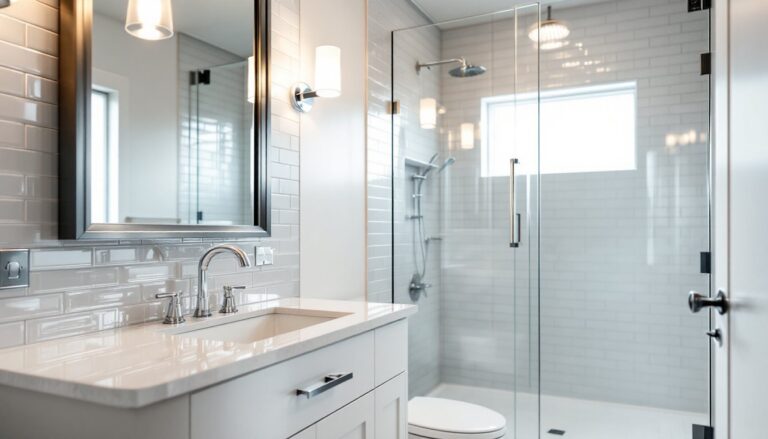
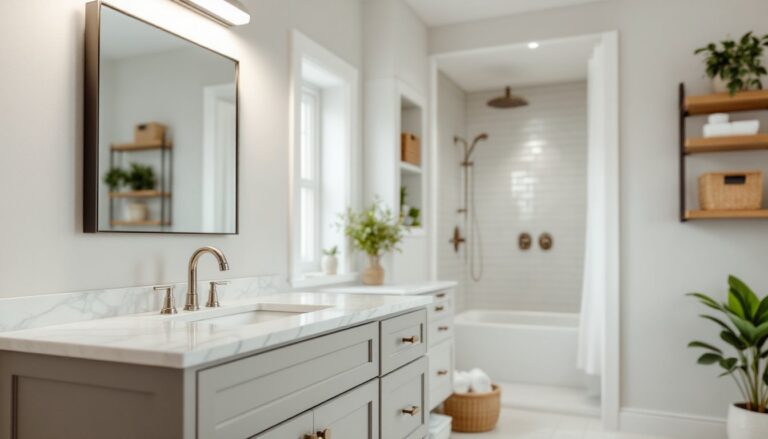
Bathrooms don’t require gut renovations to feel new. Targeted updates deliver impressive results.
Regrouting tile costs pennies compared to replacement. Clean, bright grout lines make entire bathrooms look refreshed. This simple renovation tip gets overlooked too often.
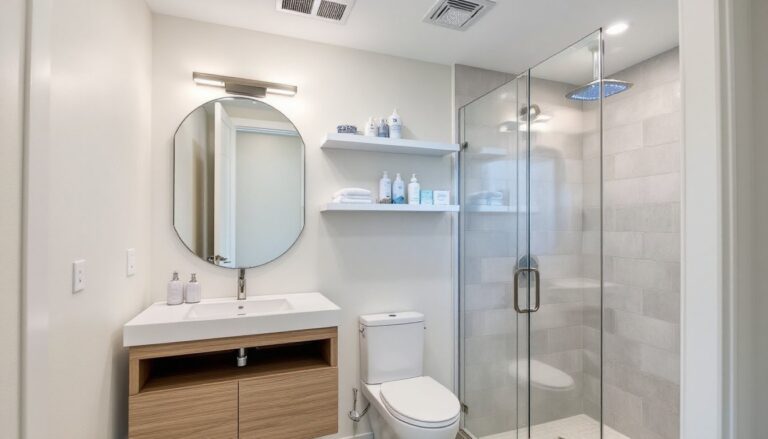
Vanity swaps offer major visual impact. A modern floating vanity opens floor space and updates the room’s entire character. Homeowners can find stylish options at various price points.
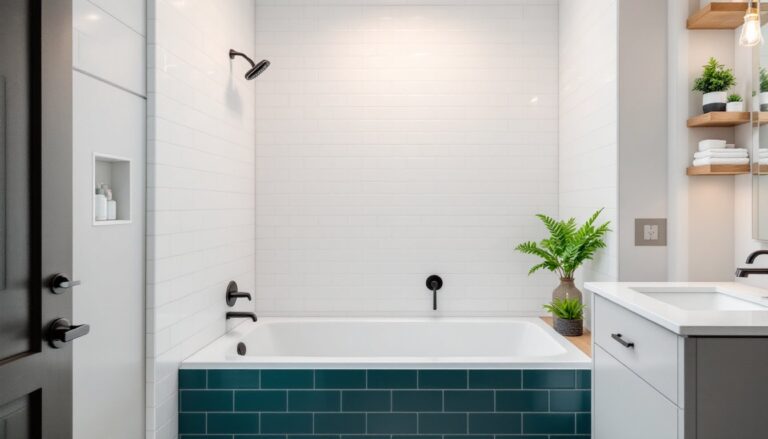
Fixture updates, faucets, showerheads, towel bars, add polish without major construction. Matte black and brushed gold finishes remain trendy. These small touches reflect current renovation ideas without breaking the budget.
Storage solutions solve practical problems. Recessed medicine cabinets, floating shelves, and over-toilet storage maximize space in tight bathrooms.
Embrace Cost-Effective Design Trends
Current renovation tips and ideas emphasize sustainable, timeless choices over fleeting fads.
Neutral color palettes remain smart investments. Whites, grays, and warm beiges appeal broadly and won’t feel dated in five years. Bold accent walls add personality without overwhelming buyers later.
Open shelving in kitchens reduces costs while creating visual interest. It works best for homeowners who maintain organized spaces. Others might prefer glass-front cabinets for a similar effect with more concealment.
Natural materials continue trending upward. Wood, stone, and rattan bring warmth to modern spaces. These elements age well and connect interiors to outdoor environments.
Multifunctional spaces reflect how people actually live today. A guest room that doubles as a home office serves modern needs. Built-in desks, murphy beds, and flexible furniture maximize every square foot.
Smart home technology has become standard in renovations. Programmable thermostats, smart lighting, and video doorbells add convenience and appeal to tech-savvy buyers. Installation costs have dropped significantly, making these renovation ideas accessible to more budgets.
Vintage and reclaimed elements add character at lower costs. Salvaged doors, antique hardware, and refurbished fixtures tell stories that mass-produced items can’t match.
Know When to DIY and When to Hire Professionals
The DIY vs. professional decision affects both budget and outcome. Homeowners should honestly assess their skills before grabbing tools.
Painting suits most DIY skill levels. With proper prep work, homeowners achieve professional-looking results. This saves significant labor costs across any renovation project.
Demo work often falls within DIY territory. Removing old tile, tearing out carpeting, or taking down non-load-bearing walls doesn’t require specialized training. Just rent a dumpster first.
Tile installation sits in the middle ground. Simple backsplashes work for patient DIYers. Complex patterns or large-format tiles benefit from professional hands.
Electrical and plumbing work require licensed professionals in most areas. Building codes exist for safety reasons. Cutting corners here creates hazards and causes insurance headaches. These aren’t renovation tips to ignore.
Structural changes demand professional oversight. Load-bearing walls, foundation work, and major additions need engineers and experienced contractors. The consequences of mistakes extend far beyond aesthetics.
Permits matter regardless of who does the work. Homeowners should check local requirements before starting. Unpermitted work creates problems during resale and may violate homeowner’s insurance policies.
Get multiple contractor quotes, three minimum. Check references, verify licenses, and review contracts carefully. The lowest bid isn’t always the best value.