Table of Contents
ToggleA bathroom doesn’t need a six-figure gut job to feel brand new. Whether you’re tackling restroom renovation ideas on a tight budget or planning a full bath remodel, smart updates can deliver outsized impact without the sticker shock. From swapping out fixtures to refreshing paint and lighting, homeowners can transform their bathrooms in weeks rather than months, and often for less than you’d think. This guide walks through practical ideas for remodeling the bathroom that deliver real results, covering everything from fixtures and flooring to storage and color schemes. Most of these projects require only basic tools and weekend time, though some (like plumbing or electrical work) may need a licensed pro depending on your skill level and local codes.
Key Takeaways
- Smart bathroom remodeling updates like fixture swaps, paint, and hardware changes deliver professional results without six-figure budgets or months of construction time.
- High-impact bath reno ideas include replacing faucets ($40–$200) and vanity lighting ($30–$120), upgrading cabinet hardware for under $100, and installing new showerheads—all achievable in a weekend.
- Paint and strategic tile accents transform walls faster than full replacements; use bathroom-specific eggshell or satin finishes and pair with subway tile backsplashes for polish on a budget.
- Vertical storage solutions like floating shelves, over-the-toilet units, and drawer organizers maximize small bathrooms for $15–$80 each without requiring permits or plumbing work.
- Soft neutral color schemes and two-tone painted walls (wainscoting style) expand spaces visually and age better than trendy colors, while accent walls behind sinks anchor rooms without overwhelming them.
- Licensed professionals should handle electrical, plumbing, and ventilation work to meet building codes; most other bathroom remodeling projects require only basic tools and weekend effort.
Modern Fixtures and Hardware Upgrades
Swapping outdated faucets, handles, and trim work delivers immediate visual lift with minimal downtime. Start with your sink faucet, a single-handle, chrome or matte black design costs $40–$200 and installs in under an hour if you’re comfortable with basic plumbing shutoffs and wrench work. Turn the water supply valves under the sink clockwise to shut them off, unscrew the old faucet supply lines, and disconnect the faucet body from above. Most new faucets include supply lines: thread them through the hole, hand-tighten the mounting nut beneath, then connect and test for leaks.
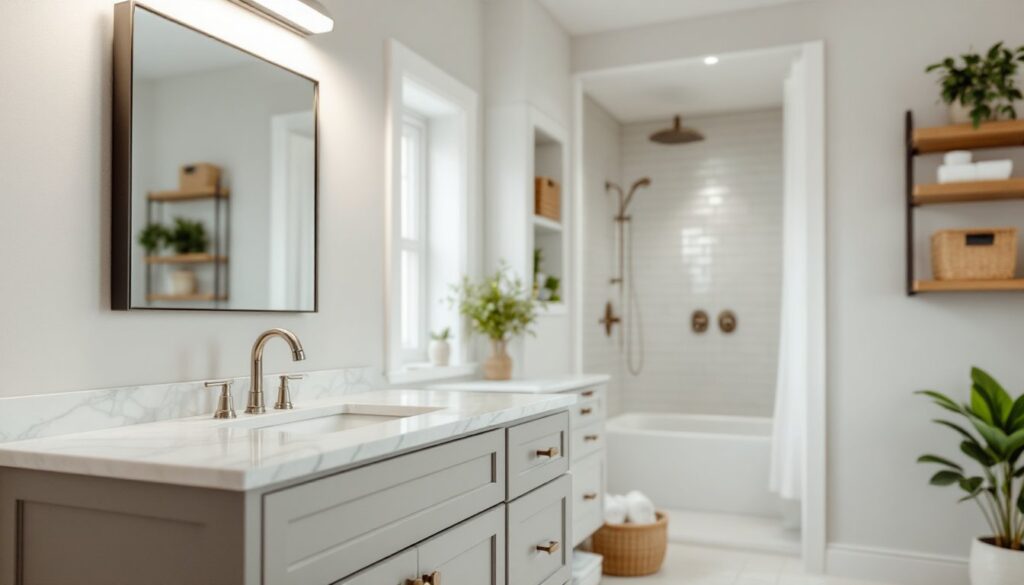
Shower and tub trim (valve escutcheon, showerhead, and tub spout) can be updated without touching the rough plumbing behind the wall. A quality showerhead with flow restrictors runs $15–$80 and screws on by hand or with a wrench if corrosion has seized it. Toilet hardware, seat, bolts, and handle, costs under $50 for a solid upgrade and takes 10 minutes. Cabinet hardware (knobs and pulls) is the easiest swap: remove the old pieces with a screwdriver and screw in new ones. This single change can shift an entire bathroom‘s look for under $100. Choose finishes that complement your flooring and wall colors: brushed nickel and matte black pair with most modern schemes, while oil-rubbed bronze works with traditional styles.
Flooring and Wall Updates
Flooring is high-impact but demands proper prep. If your current tile or vinyl is intact and level, you can tile over it using cement board and a low-porosity thin-set mortar (never tile directly over old tile, it will crack). Measure your space, subtract a half-tile width on two sides for symmetry, and dry-lay your tile to plan cuts. A wet saw (rental: $30–$50/day) makes clean cuts: a standard oscillating multi-tool with a tile blade works for small jobs but is slower and messier.
Wall updates are quicker. If you’re not tiling, paint creates immediate change. Use 100% acrylic latex bathroom paint (eggshell or satin finish resists moisture better than flat), primer-in-one products save a step if walls are already light. Two coats cover roughly 350 sq ft per gallon: a small bathroom (40–50 sq ft) needs less than a quart. Prep is critical: wash walls with a TSP (trisodium phosphate) solution, sand glossy areas lightly, and fill holes with spackling. Ventilation during and 48 hours after painting prevents mildew.
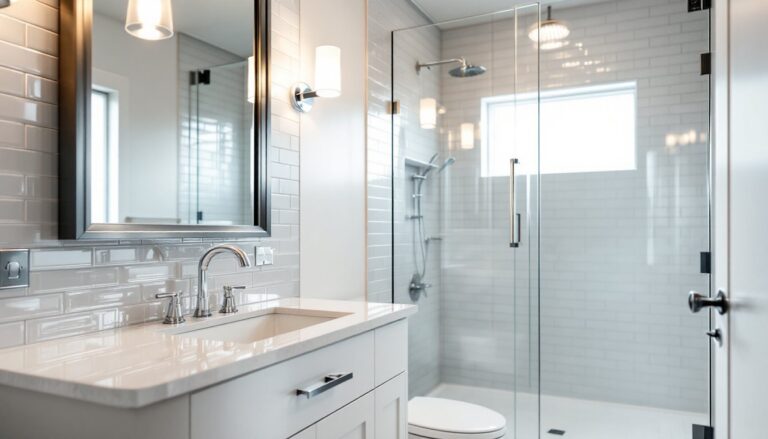
For tile accents, a subway tile backsplash behind the sink or above the tub adds polish without full-wall commitment. Pre-made tile mats (2×2 ft sheets) cost $10–$20 per sheet and cut installation time by half. Whether you’re tackling restroom renovation ideas or a complete bath remodel, combining paint with strategic tile updates gives professional results without the cost of full replacement.
Lighting and Ventilation Improvements
Lighting transforms both function and mood. Most bathroom fixtures use standard screw-in sockets: replacing a vanity light bar takes 15 minutes if you’re comfortable killing power at the breaker and checking it with a non-contact voltage tester. LED vanity lights ($30–$120) use a fraction of the energy of incandescent bulbs and run cool, extending fixture life. Aim for 3000K color temperature (warm white) around the mirror for flattering light: 4000K (neutral) works for task lighting above medicine cabinets.
Air ventilation prevents mold and mildew. If your exhaust fan is original equipment (over 10 years old), replacement is worth considering. A standard 50–80 CFM fan (cubic feet per minute) costs $50–$150 and vents moisture effectively in small to medium bathrooms. Installation requires cutting a hole in the wall or attic above (verify no plumbing or electrical is in the path first), running ductwork to an exterior vent, and connecting the fan to a dedicated electrical circuit or GFCI outlet. This is electrical work: hire a licensed electrician if you’re uncertain. Ducting insulation prevents condensation in cold climates. Running the fan during and 20 minutes after showers reduces mildew without constant fixture replacement.
Storage and Organization Solutions
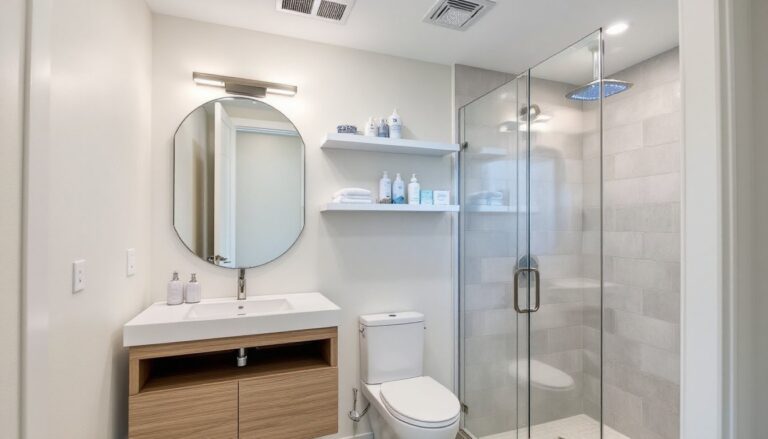
Limited storage is a common complaint in older bathrooms. Floating shelves (mounted to studs with heavy-duty brackets) add visual lightness while providing display and storage. Mark studs with a stud finder, drill pilot holes, and use 2.5-inch wood screws in shear-rated brackets rated for 25–50 lbs per pair. A 24-inch shelf holds towels, baskets, and decor without overwhelming the space.
Over-the-toilet shelving ($30–$80) maximizes vertical space without plumbing. Install 16 inches above the tank (measure twice: drilling mistakes are costly). Corner shelves fit unused nooks and cost under $20. Medicine cabinets with mirrors serve double duty, reflect light and store medications, toiletries, and first-aid supplies. Recessed cabinets require cutting into studs: surface-mounted versions install with toggle bolts in drywall. Drawer organizers and pull-out baskets under the sink cost $15–$40 and transform dead space. Measure your under-sink cabinet depth and width before ordering: most standard sinks have 24 inches of depth but vary in width.
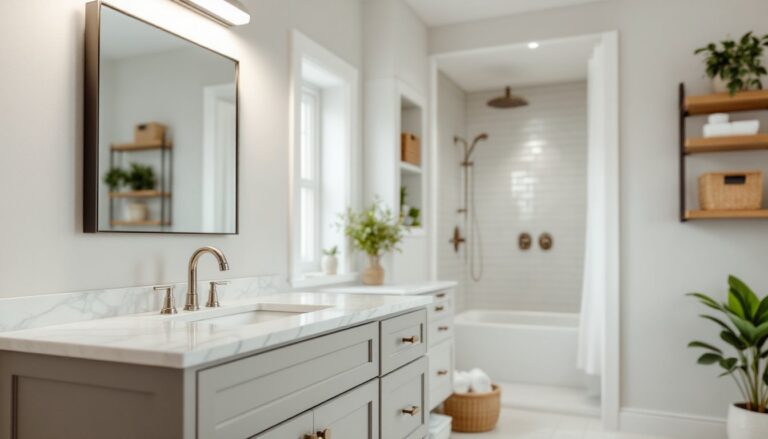
Wall-mounted soap and shampoo dispensers eliminate clutter on tub edges and cost under $15. Small woven baskets ($10–$30) on shelves hold rolled towels and haircare items while adding texture. These ideas for remodeling the bathroom don’t require permits or professional help but deliver major functional gains.
Color Schemes and Paint Ideas
Color sets the tone. Soft neutrals (greige, pale gray, warm white) expand small spaces visually and age well, they won’t feel dated in three years the way trendy pastels might. Matte or satin finishes hide imperfections better than glossy, though they’re slightly less moisture-resistant: bathroom-specific paint mitigates this. If the bathroom lacks windows, warmer whites (3000K) feel cozier than cool whites.
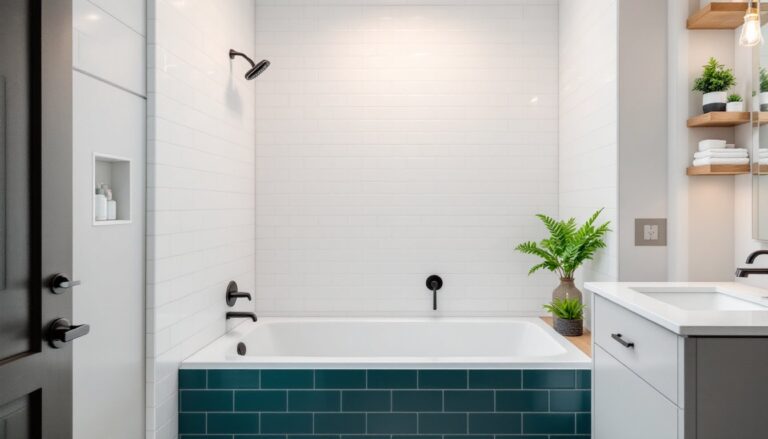
Accent walls work well in bathrooms. Paint the wall behind the sink or a short wall (not the full perimeter) in a deeper tone, navy, forest green, or warm taupe, to anchor the space without overwhelming it. Pair with white trim and fixtures for contrast. Wallpaper in moisture-prone zones (directly behind the sink or tub) risks peeling: stick to paint or use peel-and-stick vinyl in these areas. Wallpaper works better on walls away from direct water splash.
Two-tone walls (wainscoting painted a different color) add classic character. Paint the lower 3-4 feet one shade and upper walls another (light over dark or vice versa). This requires painter’s tape, a level, and patience with straight lines, use a chalk line snapped against the tape to mark your transition line. The visual break makes spaces feel larger and adds a custom touch. Tile wainscoting (3×6-inch subway tile, 2–4 feet high) is more durable if you’re concerned about water damage from splashing.
Budget-Friendly Decor and Finishing Touches
Details elevate a bathroom without breaking the budget. A new shower curtain and liner ($15–$40) set tone instantly: pair with a coordinating bath mat for visual cohesion. Towel upgrades feel luxe without luxury pricing, quality 100% cotton towels cost $8–$15 each and last for years if line-dried (heat degrades fibers). A tension rod with woven baskets ($20–$40 total) stores folded towels while maintaining sight lines.
Mirror frames transform standard builder mirrors. Frame-it-yourself kits ($20–$50) wrap drywall-tape or wood trim around existing mirrors without removal: no adhesive needed, just screws into drywall anchors. Alternatively, hang a secondary decorative mirror on an adjacent wall to add depth and bounce light. A small potted plant (snake plant or pothos tolerate humidity) adds life for under $10 and improves air quality. Keep it on a shelf away from direct water splash.
Accessories, soap dispensers, toothbrush holders, and drawer knobs, should coordinate in finish (chrome, nickel, or bronze). Mismatched hardware reads as unfinished. Artwork in moisture-resistant frames (metal or sealed wood) hangs on walls away from shower spray. A small side table (18-24 inches wide) holds a tray with soap, a candle, and rolled hand towels, creating a spa-like vibe for under $50. These final touches make a bath remodel cost feel considered and curated. Resources like home decorating and interior design ideas offer visual inspiration when planning your scheme.
Conclusion
A bathroom refresh doesn’t require permits or professional contractors for most updates. Start with high-impact, low-labor projects, paint, fixtures, and hardware, then layer in storage and decor. Prioritize based on your budget and timeline: you can spread updates across months. For structural changes (ventilation, plumbing, electrical), hire licensed professionals and verify local building codes. Thoughtful planning and quality materials ensure your bathroom stays fresh and functional for years to come.