Table of Contents
ToggleSydney bathrooms take a beating, salt air, humidity, and heavy daily use age fixtures faster than in drier climates. Whether it’s peeling grout, outdated tiles, or a layout that hasn’t made sense since 1987, a well-planned bathroom renovation boosts home value, improves function, and cuts down on mold headaches. This guide walks through real costs, timeline expectations, council permit requirements, and how to find a contractor who’ll show up on time. No fluff, just what Sydney homeowners need to know before the first tile comes off the wall.
Key Takeaways
- A bathroom renovation in Sydney typically costs $15,000 to $40,000 for a full overhaul, with labor rates running $80–$120 per hour for licensed trades.
- Sydney’s coastal climate and humidity mean proper waterproofing (AS 3740 compliant) and corrosion-resistant materials are non-negotiable to prevent costly mold and structural damage.
- Modern bathroom renovation designs favor large-format tiles, curbless walk-in showers, frameless glass, and water-efficient WELS-rated fixtures aligned with 2026 sustainability trends.
- Most bathroom renovations require council permits—a Complying Development Certificate or Development Application—when moving plumbing, altering walls, or installing new ventilation.
- Hiring a licensed contractor with public liability insurance ($10 million minimum), verified NSW Fair Trading credentials, and a written contract protects you from poor workmanship and costly rework.
Why Sydney Homeowners Are Investing in Bathroom Renovations
Sydney’s property market rewards updated bathrooms. A modern, functional bathroom can add $20,000 to $50,000 to a home’s resale value, depending on the suburb and quality of finishes. But it’s not just about sale price, homeowners renovate to fix chronic issues like poor ventilation, leaking shower pans, and cramped layouts that don’t fit modern fixtures.
Older homes in suburbs like Mosman, Bondi, and Newtown often feature tiny bathrooms with cast-iron tubs and minimal storage. Upgrading to a walk-in shower, wall-hung vanity, and proper exhaust fan (rated at 8 air changes per hour minimum per the National Construction Code) solves moisture problems and opens up floor space.
Accessibility is another driver. As homeowners age in place, they’re adding grab rails, curbless showers, and slip-resistant tiles. These aren’t just safety features, they’re selling points. Buyers with aging parents or mobility concerns actively seek homes with accessible bathrooms, and real estate agents know it.
Finally, Sydney’s coastal climate accelerates wear. Salt air corrodes chrome fixtures, moisture warps timber vanities, and poor waterproofing leads to expensive structural repairs. A renovation done right, with proper membrane systems and corrosion-resistant materials, prevents costly damage down the line.
How Much Does a Bathroom Renovation Cost in Sydney?
Budget for $15,000 to $40,000 for a full bathroom renovation in Sydney, though high-end projects easily hit $60,000+ with premium fixtures and structural changes. Labor costs here run higher than regional NSW, expect $80 to $120 per hour for licensed trades (plumbers, electricians, tilers). Material costs fluctuate, but waterproofing membrane, quality tiles, and fixtures make up the bulk of expenses.
A typical breakdown:
- Demolition and disposal: $1,500–$3,000
- Plumbing (relocating pipes, new fixtures): $3,000–$8,000
- Electrical (lighting, exhaust fan, heated floors): $1,500–$4,000
- Waterproofing: $1,200–$2,500 (non-negotiable, use a licensed waterproofer)
- Tiling (walls and floors): $3,500–$10,000 depending on tile choice and layout
- Fixtures (toilet, vanity, shower, tapware): $2,000–$15,000
- Cabinetry and mirrors: $1,500–$5,000
Those numbers assume no surprises. Opening up walls often reveals asbestos sheeting (common in pre-1990 homes), rotten framing, or outdated plumbing that needs replacing. Add 10–15% contingency to your budget.
Budget-Friendly vs. High-End Renovations
Budget renovations ($15,000–$25,000) keep the existing layout, reuse plumbing and electrical locations, and opt for mid-range tiles and fixtures. You’ll still get a fresh, functional bathroom, just stick with stock vanities, ceramic tiles instead of stone, and standard tapware. DIYers can save $2,000–$5,000 by handling demolition, painting, and fixture installation themselves, but leave waterproofing and tiling to pros unless you’ve done it before.
High-end renovations ($40,000–$70,000+) involve layout changes, underfloor heating, frameless glass showers, stone benchtops, and designer tapware. Moving a toilet or shower requires new waste lines, which means jackhammering concrete slabs or rerouting pipes through walls, both labor-intensive. Premium materials like large-format porcelain, natural stone, or custom cabinetry drive costs up fast. If you’re chasing that luxury aesthetic, expect to pay for it in both materials and skilled labor.
Planning Your Bathroom Renovation: Key Steps and Timeline
Start with a realistic timeline. A full bathroom renovation in Sydney takes 4 to 8 weeks from demolition to final fixtures, assuming no major delays. Weather, material backorders, and inspector availability all affect scheduling, so don’t plan a reno two weeks before hosting Christmas.
Step 1: Measure and design. Grab a tape measure and sketch your existing layout, noting plumbing and electrical locations. Decide if you’re keeping the footprint or moving fixtures. Moving a toilet 15 feet across the room might require a macerating pump if gravity drainage won’t work, that’s a cost and complexity jump.
Step 2: Set a budget and prioritize. Decide what’s non-negotiable (proper waterproofing, ventilation) versus nice-to-have (heated floors, rain shower heads). Many homeowners applying renovation planning principles find that tackling structural issues first prevents rework later.
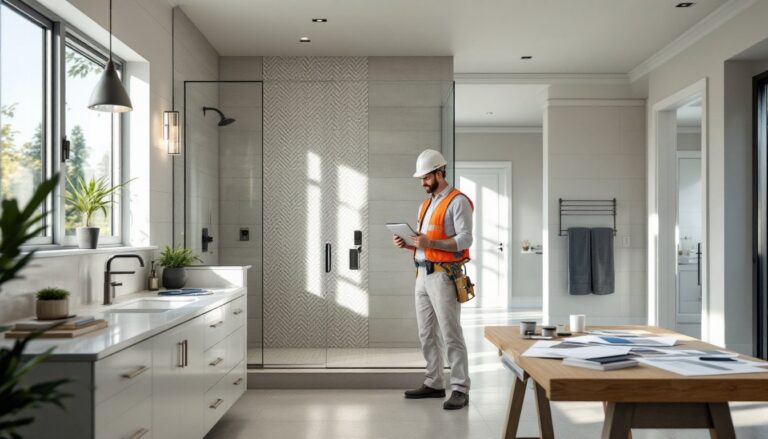
Step 3: Get quotes and book trades. In Sydney’s competitive market, good contractors book out 6–12 weeks in advance. Get at least three written quotes, check licenses (plumbers need NSW Fair Trading licenses), and ask for recent project photos. Don’t just go with the cheapest bid, check references and visit completed jobs if possible.
Step 4: Order materials early. Tiles, vanities, and custom cabinetry can take 4–8 weeks to arrive. Order before demolition starts, and store materials in a dry space. Verify tile quantities, buy 10% extra for cuts and future repairs.
Step 5: Schedule inspections. If you’re doing structural work, moving plumbing, or altering ventilation, council inspections are required at key stages (pre-waterproofing, pre-tiling). Plan for these or you’ll halt work waiting for an inspector.
Finding and Hiring the Best Bathroom Renovators in Sydney
A licensed bathroom renovator in Sydney should carry public liability insurance (minimum $10 million coverage), hold relevant trade licenses (plumbing, electrical, building), and provide a written contract with a detailed scope, timeline, and payment schedule. Never pay the full amount upfront, standard practice is 10% deposit, progress payments at milestones, and final 10% on completion.
Start by asking neighbors, friends, or local building supply stores for referrals. Online platforms listing bathroom contractors can help narrow your search, but always verify credentials independently. Check the contractor’s license status on the NSW Fair Trading website and look for any disciplinary actions.
During consultations, ask specific questions:
- How do they handle waterproofing? (Look for mention of AS 3740 compliance and licensed waterproofers.)
- What’s their warranty on labor and materials?
- Who’s the site supervisor, and will they be there daily?
- How do they manage waste disposal and site cleanliness?
- What’s their process if they uncover asbestos or structural issues?
Red flags include vague timelines, refusal to provide references, pressure to sign immediately, or reluctance to put agreements in writing. Bathroom renovations involve jackhammering, waterproofing, and multiple trades, it’s complex work. A pro who’s done it a hundred times will have clear answers and a systematic approach.
For homeowners comparing multiple effective renovation strategies, checking contractor portfolios and visiting active job sites reveals a lot about workmanship and organization.
Popular Bathroom Design Trends in Sydney for 2026
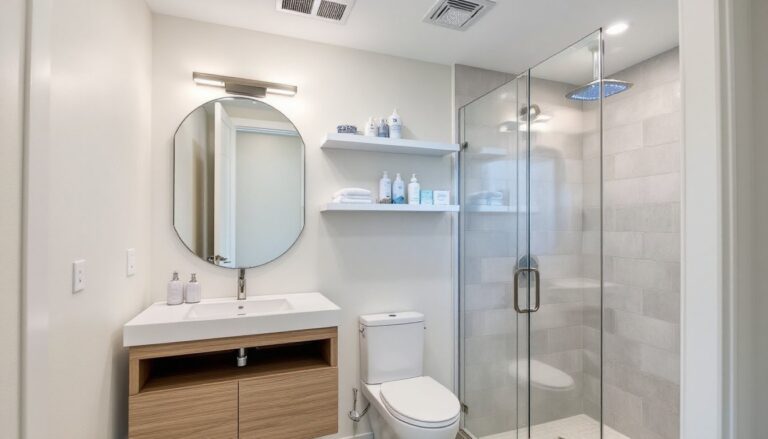
Sydney bathrooms in 2026 favor clean lines, natural materials, and sustainability. Expect to see more matte black tapware, terrazzo tiles, and warm timber accents mixed with crisp white or soft greige walls. Large-format tiles (up to 600 x 1200 mm) create fewer grout lines and a more seamless look, but they require a perfectly flat substrate and skilled tilers to install.
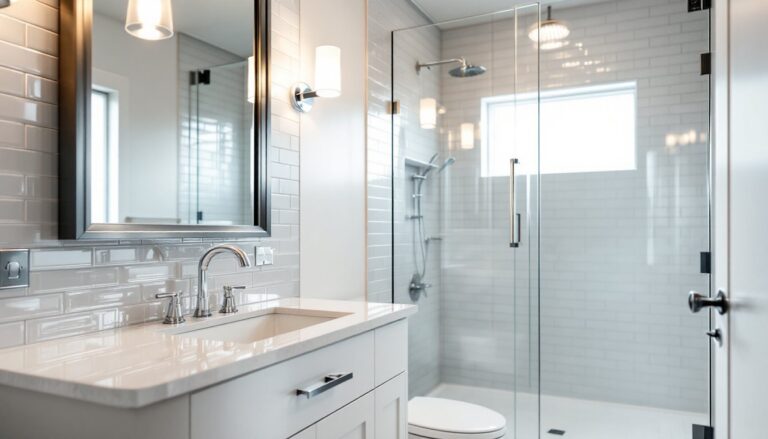
Walk-in showers with frameless glass are standard now, often featuring curbless entry for accessibility and modern aesthetics. Pair that with a linear drain set into the floor (easier to waterproof than a center point drain) and slip-resistant porcelain tiles with a P4 or P5 rating.
Sustainability is driving product choices. Water-efficient fixtures, 4-star WELS-rated taps and showerheads, cut water use without sacrificing performance. Some homeowners are installing greywater diversion systems to reuse shower water for gardens, though that requires plumbing modifications and council approval.
Smart features are creeping in: digital shower controls with preset temperatures, LED mirrors with integrated demister pads, and motion-sensor lighting. These aren’t essential, but they add convenience and a tech-forward feel.
Color-wise, expect earthy neutrals, warm whites, taupes, soft greys, and terracotta accents. Bold patterned tiles are trending for feature walls or floor insets, but keep them to one area or the space feels busy.
Ventilation is finally getting attention. Building codes require mechanical exhaust fans in bathrooms without operable windows, but savvy renovators go further, installing humidity-sensing fans that auto-activate when moisture hits a set level. This prevents mold and extends the life of paint and fixtures.
Navigating Sydney Council Permits and Regulations
Most bathroom renovations in Sydney require a Complying Development Certificate (CDC) or a Development Application (DA), depending on the scope. If you’re just replacing fixtures and tiles without moving walls or plumbing, you might avoid council altogether, but the moment you alter structure, relocate waste pipes, or change ventilation, you’re in permit territory.
When you need approval:
- Moving or adding a toilet, shower, or sink (plumbing relocation)
- Removing or altering walls (structural changes)
- Installing new exhaust fans that vent externally
- Changing window size or adding skylights
- Waterproofing work (requires inspections and compliance certificates)
CDCs are faster (usually 20 days vs. several months for a DA) and work for straightforward renovations that meet preset standards. Your contractor or certifier can lodge the CDC application. A DA is required if your home is heritage-listed, in a conservation area, or if the work doesn’t fit CDC criteria.
Waterproofing is regulated under AS 3740. A licensed waterproofer must install the membrane system, and it must be inspected before tiling begins. No shortcuts here, failed waterproofing leads to leaks, mold, and structural rot. The inspector checks that the membrane extends 150 mm up walls around wet areas and that penetrations (drains, pipes) are properly sealed.
Electrical work must be done by a licensed electrician who’ll issue a Certificate of Compliance. This covers new lighting, exhaust fans, underfloor heating, or upgrading old wiring. Don’t let a handyman touch electrical, it’s illegal and voids your insurance.
Plumbing compliance certificates are also required. Expect the plumber to test drainage and water supply before closing up walls. Keep all certificates, they’re needed for insurance claims and future sales.
For anyone comparing general remodeling approaches, note that Sydney councils vary slightly in requirements. Check with your local council (City of Sydney, Inner West, Northern Beaches, etc.) early in planning. Some have online lodgment systems: others still want paper applications. Budget $500–$2,000 for permit fees depending on project scope, and factor in 2–6 weeks for approvals before starting work.
Pro tip: Hire a contractor familiar with your council’s processes. They’ll know the inspectors, understand local quirks, and keep the project moving without bureaucratic delays. And when looking at practical renovation ideas or reviewing successful project examples, always confirm whether the work shown required permits, what’s allowed in one suburb might not fly in another.
Finally, if you’re renovating an apartment, you’ll also need strata approval. Body corporate rules often dictate work hours, noise limits, and waterproofing warranties. Get written approval before signing contracts, or you risk having to reverse completed work.