Table of Contents
ToggleNashville’s housing market keeps climbing, and homeowners are putting money where it counts: bathrooms. A full renovation can recoup 60-70% of its cost at resale, but more importantly, it fixes the daily frustrations, leaky fixtures, cramped layouts, outdated tile that’s impossible to clean. Whether tackling a builder-grade master bath in Brentwood or a quirky 1920s powder room in East Nashville, the process demands more than Pinterest boards. It requires realistic budgets, reliable contractors, and a clear understanding of what Metro Nashville permits actually require.
Key Takeaways
- A bathroom renovation in Nashville can recoup 60-70% of its cost at resale and fixes daily frustrations like leaky fixtures, outdated tile, and cramped layouts.
- Nashville bathroom renovation costs range from $8,000 for a basic refresh to $40,000+ for a primary suite, with labor typically consuming 40-50% of the budget.
- Metro Nashville requires permits for most bathroom renovations that involve plumbing, electrical, or structural changes, with typical costs of $100-$400 and turnaround times of 5-10 business days.
- Hiring a licensed contractor with verified credentials, liability insurance, and multiple references is critical—get three itemized written estimates that specify materials by brand and include a clear payment schedule.
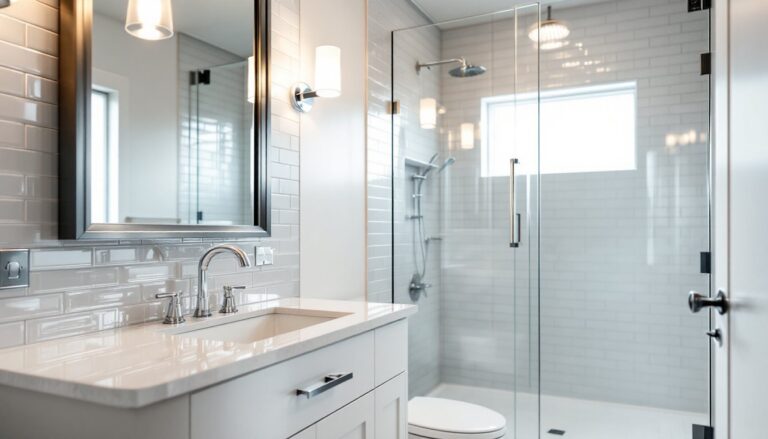
- Modern Nashville bathroom design favors durable, low-maintenance features like large-format tile, matte black fixtures, curbless showers with linear drains, and heated floors that balance aesthetics with Tennessee’s humid climate.
- Build a 15-20% contingency into your bathroom renovation budget to account for hidden problems like galvanized pipe, outdated wiring, or subfloor damage that older Nashville homes commonly hide.
Why Nashville Homeowners Are Investing in Bathroom Renovations
Nashville’s median home price hit $475,000 in early 2026, and inventory remains tight. Homeowners who can’t afford to move up are renovating what they have.
Bathrooms top the priority list for good reason. They’re high-traffic, high-moisture spaces where deferred maintenance shows fast. A toilet flange that’s been leaking for two years doesn’t just look bad, it rots subflooring and joists. Fixing that might as well include new tile, vanity, and lighting.
Energy efficiency plays a role too. Replacing a 1990s exhaust fan with a modern ENERGY STAR model (minimum 90 CFM for a standard bath) prevents mold and cuts down on HVAC loss. Swapping a 3.5-gallon-per-flush toilet for a WaterSense-certified 1.28 GPF model saves roughly 13,000 gallons per year for a family of four.
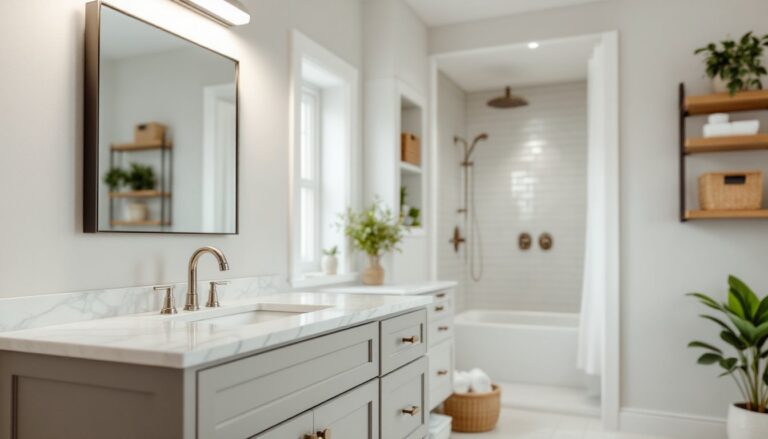
Finally, Nashville’s design culture leans into character. Homeowners want something beyond builder beige, reclaimed wood accents, zellige tile, matte black fixtures, but they also need it to function in humid Tennessee summers. That’s a balance between aesthetics and building science.
Planning Your Nashville Bathroom Renovation Project
Start by defining scope. Are you refreshing finishes (paint, fixtures, vanity) or gutting to studs? The latter involves plumbing, electrical, possibly HVAC, all of which trigger permit requirements.
Measure the existing layout and note plumbing stack locations. Moving a toilet more than a few feet often means breaking into the slab or rerouting drain lines through floor joists, which adds cost and complexity. Showers and tubs have more flexibility, but you’ll still need proper slope (1/4 inch per foot minimum) and a 2-inch drain.
Decide on must-haves versus nice-to-haves. Heated floors? A curbless shower with linear drain? Double vanity? Each choice has cost and lead-time implications. Tile, especially custom or imported, can have 8-12 week lead times in 2026.
Create a punch list that includes:
- Demolition and disposal
- Subfloor inspection and repair
- Rough plumbing and electrical
- Waterproofing membrane (RedGard, Schluter Kerdi, or equivalent)
- Tile or wall panels
- Vanity, countertop, and fixtures
- Mirrors, lighting, ventilation
- Paint and trim
Build in a 15-20% contingency for unknowns. Old homes hide surprises, galvanized pipe, knob-and-tube wiring, asbestos mastic under vinyl.
Setting a Realistic Budget
Nashville bathroom renovations in 2026 range from $8,000 for a basic refresh to $40,000+ for a high-end primary suite overhaul.
Budget breakdown for a mid-range full renovation (75-100 sq ft):
- Labor (40-50%): $6,000–$12,000. Licensed plumbers run $90–$150/hour: electricians $80–$130/hour: tile setters $10–$25/sq ft installed.
- Materials (35-45%): Tile, vanity, toilet, tub/shower, faucets, lighting. A solid mid-grade vanity with quartz top runs $1,200–$2,500. Porcelain tile averages $3–$12/sq ft: natural stone $8–$30/sq ft.
- Permits & fees (2-5%): Metro Nashville charges roughly $150–$400 depending on scope.
- Contingency (10-15%): For subfloor repair, plumbing updates, or code upgrades.
DIYers can cut labor costs but should hire licensed pros for anything behind walls. Shower pan liners and drain assembly are unforgiving, one mistake means tearing it all out.
Average Bathroom Renovation Costs in Nashville
Costs vary by neighborhood, material choices, and whether structural changes are involved. Here’s what to expect in 2026:
Powder room refresh (20-30 sq ft):
- Paint, new vanity, faucet, mirror, lighting: $3,000–$6,000
- Add tile floor: $5,000–$9,000
Guest bath remodel (50-75 sq ft):
- New tub/shower surround, tile floor, vanity, toilet, fixtures, drywall, paint: $12,000–$22,000
Primary bath gut renovation (100-150 sq ft):
- Walk-in shower with frameless glass, freestanding tub, double vanity, heated floors, custom tile: $25,000–$50,000+
Material upgrades make a big difference. Choosing premium natural stone over standard porcelain tile can add $2,000–$5,000. A custom walnut vanity costs 3-4x what a stock oak unit does.
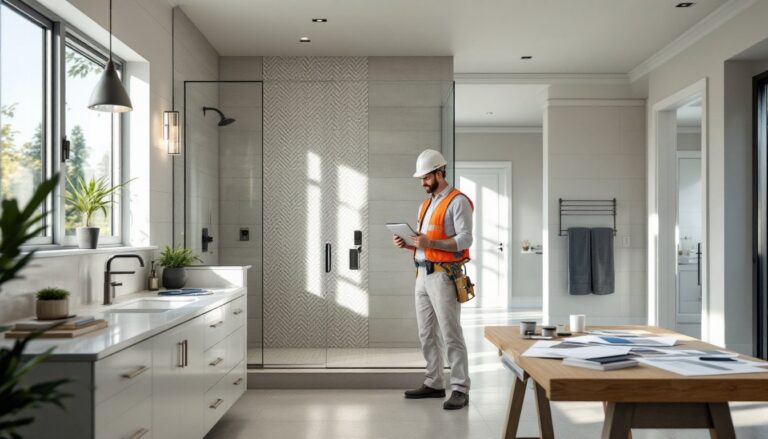
Labor is the wild card. A one-person handyman charges less than a full remodeling firm with multiple crews, but timelines stretch and warranty coverage varies. Get itemized quotes that break out demo, rough-in, finish work, and materials separately.
Finding the Right Contractor in Nashville
Nashville’s boom brought plenty of contractors, some excellent, some not. Do your assignments.
Start with referrals. Ask neighbors, check Nextdoor, or browse curated directories that vet local remodeling professionals. Look for contractors who specialize in bathrooms, not general handymen.
Verify credentials:
- Tennessee doesn’t require a state contractor license for projects under $25,000, but reputable pros carry liability insurance and workers’ comp.
- Plumbers and electricians must be licensed. Ask for license numbers and verify with the state board.
- Check reviews on multiple platforms. One five-star review means less than 30 solid four-stars.
Get three written estimates. They should include:
- Scope of work (tear-out, framing, tile, plumbing, electrical, paint)
- Materials specified by brand/model when possible
- Timeline with milestones
- Payment schedule (never more than 10% upfront: avoid cash-only deals)
- Warranty terms for labor and materials
Red flags: pressure to sign same-day, vague line items like “miscellaneous materials,” no physical business address.
Ask how they handle change orders. Tile that looked great in the showroom might not work once you see it on the wall. A good contractor writes up changes clearly and adjusts the price in writing before proceeding.
Timeline matters. A full bathroom takes 3-6 weeks depending on scope and how many trades are involved. Delays happen, tile shipments, inspector availability, weather if exterior walls are opened, but contractors should communicate proactively.
Popular Design Trends for Nashville Bathrooms in 2026
Nashville bathrooms are moving away from farmhouse clichés toward cleaner, more durable aesthetics.
Wet rooms and curbless showers are growing in popularity. A linear drain set flush with the floor creates a seamless look and improves accessibility. Requires careful sloping of the entire floor (typically 1/4 inch per foot toward the drain) and a robust waterproofing system, Schluter Kerdi or similar.
Natural materials with honest finishes. Honed marble, limestone, and terrazzo are replacing high-gloss everything. These materials need sealing but age better than glossy porcelain that shows every water spot.
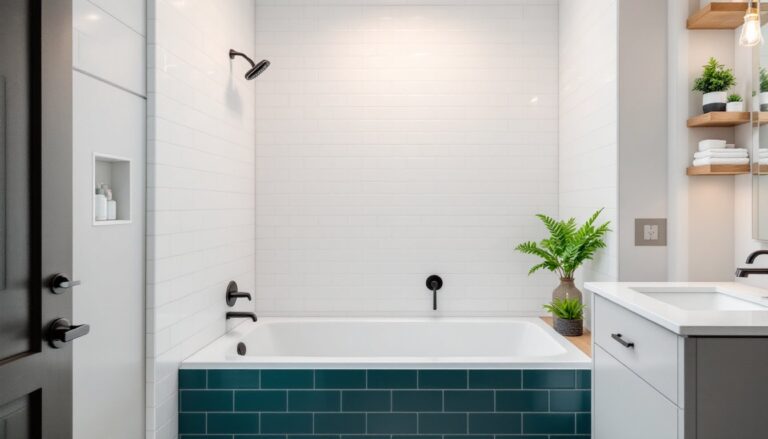
Matte black and aged brass fixtures. Powder-coated or PVD finishes hold up better than painted. Brands like Delta, Kohler, and Moen offer lifetime finishes on many models.
Large-format tile (12×24, 24×48). Fewer grout lines mean less maintenance. Installing them requires a flat substrate, use self-leveling underlayment if the slab or subfloor is more than 1/8 inch out of plane over 10 feet.
Integrated LED mirrors and backlit niches. These require planning during rough electrical. Use a dedicated GFCI circuit and waterproof junction boxes rated for wet locations.
Heated floors. Electric mat systems (120V or 240V) go under tile and cost $8–$15/sq ft installed. They add 15-30 minutes to morning routines in January and increase resale appeal.
Avoid trends that don’t fit Nashville’s climate. Unsealed wood vanities warp in humidity. Vessel sinks on narrow counters create splash zones. Prioritize durability and maintenance over Instagram appeal.
Navigating Permits and Regulations in Nashville
Metro Nashville requires permits for most bathroom renovations beyond cosmetic updates. Here’s when you need one:
Permit required:
- Moving or adding plumbing fixtures
- Any electrical work beyond replacing a light fixture (new circuits, outlets, switches)
- Structural changes (removing walls, altering floor joists)
- Installing or relocating an exhaust fan that vents outside
No permit typically needed:
- Painting, new vanity or mirror (if plumbing isn’t moved)
- Replacing toilet, tub, or shower in the same location without moving drain lines
- Swapping light fixtures on existing boxes
Permits run $100–$400 depending on scope. Apply through Metro’s ePlan portal or in person at the Codes office. Turnaround is usually 5-10 business days for residential bath remodels.
Inspections happen at key milestones:
- Rough-in (after framing, plumbing, electrical, before drywall): Inspector checks drain slope, vent sizing, wire gauge, junction box placement, GFCI protection.
- Final (after all finishes): Verifies everything matches approved plans, fixtures work, ventilation is adequate.
Common code issues in Nashville bathrooms:
- Ventilation: Bathrooms without operable windows need a fan rated for the room’s cubic footage. Minimum 50 CFM for under 100 sq ft: add 20 CFM per fixture above that.
- GFCI protection: All outlets within 6 feet of a water source must be GFCI. Inspectors check this every time.
- Shower pan liner or waterproof membrane: Required under all tile showers. Inspectors often want to see this before tile goes down.
- Drain sizing: Toilets need 3-inch drains: showers 2-inch minimum. Vents must be properly sized and terminate above the roofline, not into an attic.
Unpermitted work can complicate resale. Title companies sometimes require an affidavit or retroactive permit, which means opening walls to verify code compliance. Do it right the first time.
If hiring a contractor, confirm who pulls the permit. Most licensed pros include it in their scope and handle inspections. If you’re DIYing, you’ll be the permit holder and responsible for scheduling inspections.
Safety gear for demo and installation: safety glasses, N95 respirator (especially if dealing with old adhesives or joint compound), work gloves, knee pads, and hearing protection if using a demo hammer or tile saw. Bathrooms are small, loud, and dusty during renovation.