Table of Contents
ToggleBathroom renovations in Tulsa aren’t just about replacing old tile and updating fixtures, they’re strategic investments that improve daily comfort and return value at resale. The Tulsa market has its own quirks: hard water that affects fixture choices, humidity patterns that demand proper ventilation, and clay-heavy soils that sometimes complicate plumbing work. Whether tackling a powder room refresh or a full primary bath gut job, homeowners need to understand local material availability, climate considerations, and permit requirements before swinging a sledgehammer. This guide walks through the planning, budgeting, and execution specific to Tulsa bathroom projects.
Key Takeaways
- Tulsa bathroom renovation budgets range from $3,000–$6,000 for powder rooms to $12,000–$25,000 for full remodels, with labor costs slightly below national averages and a recommended 15–20% contingency for hidden issues in older homes.
- Hard water and humidity demand material upgrades: choose porcelain tile over ceramic, opt for quartz or sealed granite countertops, and prioritize quality waterproofing and ventilation to prevent long-term water damage.
- Cosmetic updates like painting and vanity swaps are safe DIY projects, but plumbing, electrical work, and tile installation require licensed professionals to meet Tulsa’s building codes and avoid costly mistakes.
- Tulsa bathroom renovation projects involving plumbing, electrical, or structural changes require permits (ranging $50–$200) and inspections at roughin, final plumbing, and final electrical stages to protect resale value.
- Current design trends favor neutral palettes with texture, curbless showers, large-format tile, floating vanities, and smart humidity-sensing exhaust fans that enhance both safety and functionality in Tulsa bathrooms.
- A thoughtfully updated bathroom typically recoups 60–70% of renovation costs at resale, making smart planning and quality fixtures a strategic investment for Tulsa homeowners in competitive markets.
Why Tulsa Homeowners Are Investing in Bathroom Renovations
Tulsa’s housing stock skews older, with many homes built between the 1950s and 1980s featuring original bathrooms that haven’t aged well. Pink tile, cultured marble vanities, and popcorn ceilings are common sights. Updating these spaces immediately modernizes a home’s feel and function.
Resale value is another driver. Mid-century ranch homes and post-war bungalows dominate Tulsa neighborhoods like Maple Ridge and Brookside. A bathroom stuck in 1974 can tank buyer interest, while a thoughtfully updated bath often recoups 60–70% of renovation costs at sale, sometimes more in competitive school districts.
Practical needs matter too. Families outgrow single-sink vanities. Aging homeowners want zero-threshold showers and grab bars. And Tulsa’s hard water leaves mineral buildup that eventually destroys cheaper fixtures, prompting upgrades to more durable materials. These aren’t cosmetic whims, they’re real quality-of-life improvements that make homes work better for the people living in them.
Setting Your Bathroom Renovation Budget in Tulsa
A basic powder room refresh, new vanity, toilet, paint, and flooring, runs $3,000–$6,000 in Tulsa if homeowners do some of the work themselves. Hiring out everything pushes that to $5,000–$9,000. Full bathroom renovations (tub/shower, tile, vanity, toilet, lighting, ventilation) typically land between $12,000 and $25,000, depending on finish quality and whether walls get moved.
Labor costs in Tulsa are slightly below national averages, but skilled tile setters and licensed plumbers still command $50–$85 per hour. Electrical work for new lighting or heated floors requires a licensed electrician, expect $75–$100 per hour. Don’t skip the contingency fund. Older homes often hide surprises: rotted subfloors, outdated wiring, or cast-iron drains that need replacing. Budget an extra 15–20% for the unexpected.
Material costs fluctuate, but here are 2026 benchmarks: mid-range porcelain tile runs $4–$8 per square foot, stock vanities cost $400–$1,200, and a decent acrylic alcove tub starts around $350. Custom tile work, frameless glass enclosures, and high-end fixtures (think Kohler or Delta’s premium lines) can double or triple these numbers. Homeowners exploring top renovation tips often find that prioritizing quality in wet areas, shower pans, waterproofing membranes, and grout sealing, prevents expensive callbacks.
Get at least three quotes from licensed contractors. Tulsa has plenty of capable remodelers, but comparing scope, timelines, and material allowances helps avoid lowball bids that cut corners.
Design Trends for Tulsa Bathrooms in 2026
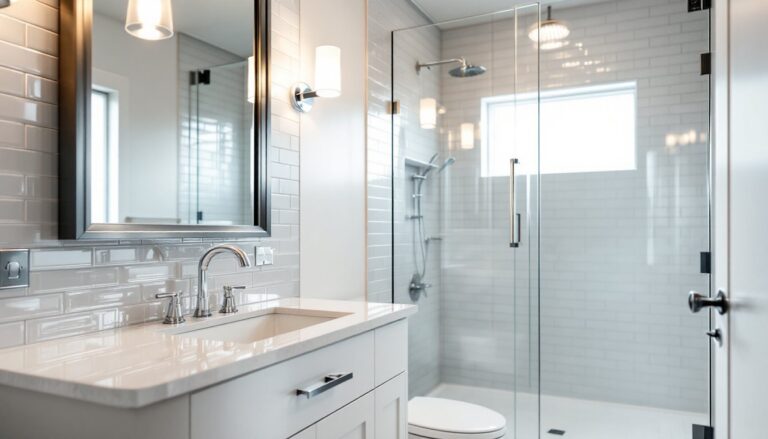
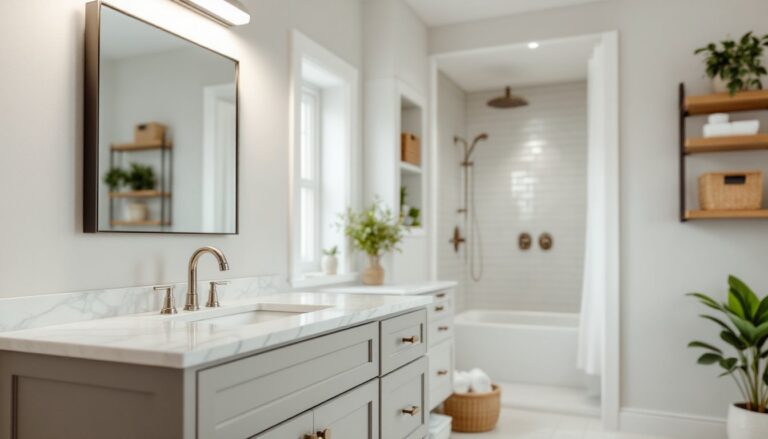
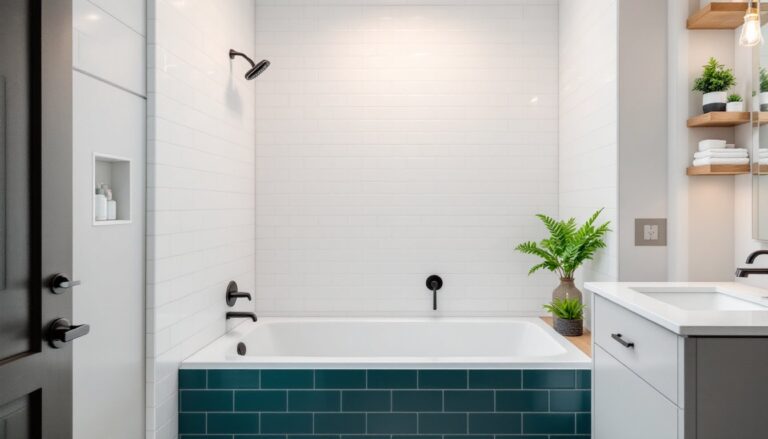
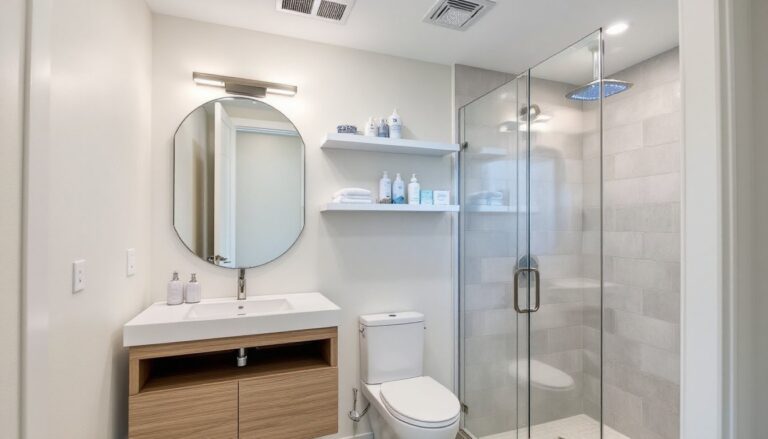
Neutral palettes with texture dominate Tulsa bathrooms right now. Warm grays, soft whites, and greiges pair with natural wood vanities and matte black fixtures. Homeowners are moving away from the stark all-white look, adding warmth through wood-look tile, woven baskets, and unlacquered brass accents that develop patina over time.
Curbless showers continue gaining traction, especially in primary baths. They’re safer, easier to clean, and give small bathrooms a more open feel. Proper slope and waterproofing are critical, if the installer doesn’t know how to pitch a curbless pan correctly, water migrates into adjacent rooms. This isn’t a beginner DIY project.
Large-format tile (12″×24″ or bigger) reduces grout lines and speeds installation, but requires a flat substrate. Many Tulsa homes have settling issues due to our expansive clay soils, so subfloors often need leveling compound before tile goes down. Skipping this step leads to lippage and cracked grout joints within a year.
Floating vanities keep popping up on Remodelista and in local showrooms. They make cleaning easier and visually enlarge tight spaces. Just make sure blocking is installed between studs during framing, drywall alone won’t support a 48″ vanity loaded with toiletries.
Finally, smart ventilation is becoming standard. Quiet exhaust fans with humidity sensors (like Panasonic’s WhisperSense line) prevent mold without homeowners remembering to flip a switch. In Tulsa’s humid summers, this matters more than most people realize.
Finding the Right Materials and Fixtures for Your Climate
Tulsa’s climate, hot, humid summers and occasional ice storms, affects material performance. Porcelain tile handles freeze-thaw cycles better than ceramic and resists the moisture that ceramic can eventually absorb. For shower walls, porcelain or natural stone works well, but both need proper sealing. Marble looks stunning but requires regular maintenance: many Tulsa homeowners opt for porcelain that mimics marble without the upkeep.
Hard water is a fixture killer here. Tulsa’s water averages 6–10 grains per gallon hardness, which leaves calcium deposits on chrome and brushed nickel. Matte black and oil-rubbed bronze finishes hide buildup better, or consider a whole-house water softener if fixture longevity matters. Thermostatic shower valves from brands like Kohler, Delta, or Moen offer better temperature control and pressure balancing, important when Tulsa’s water pressure can fluctuate.
For vanity tops, quartz outperforms laminate and cultured marble in durability and resale appeal. It’s non-porous, so it won’t harbor mold or bacteria in humid conditions. Granite works too but needs periodic sealing. Skip the temptation to use cheap particle-board vanities, Tulsa’s humidity warps them fast. Solid wood or plywood construction holds up better.
Ventilation can’t be an afterthought. The IRC (International Residential Code) requires exhaust fans in bathrooms without operable windows, and Tulsa’s building inspectors enforce this. Size the fan correctly: at least 50 CFM (cubic feet per minute) for bathrooms up to 50 square feet, more for larger spaces. Duct the fan to the outside, never into an attic. That’s a mold farm waiting to happen.
DIY vs. Hiring Professionals: What Tulsa Homeowners Should Know
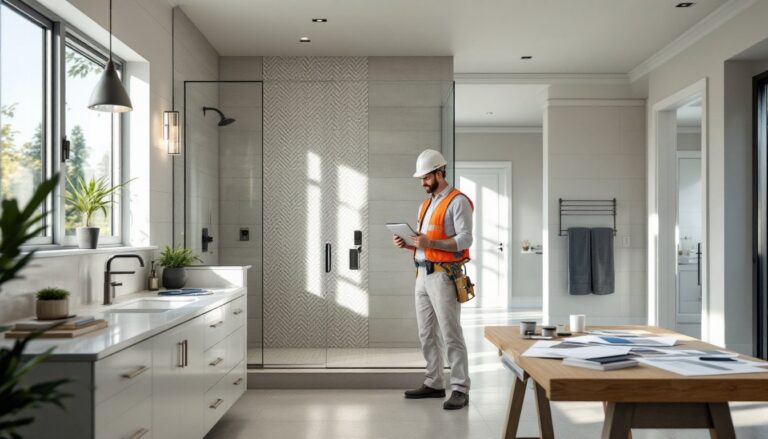
Cosmetic updates are fair game for DIYers: painting, replacing vanities, swapping light fixtures, installing new mirrors, and laying vinyl plank flooring. These don’t require permits and won’t flood the house if done wrong. Many homeowners following essential renovation tips successfully handle these tasks with basic tools and patience.
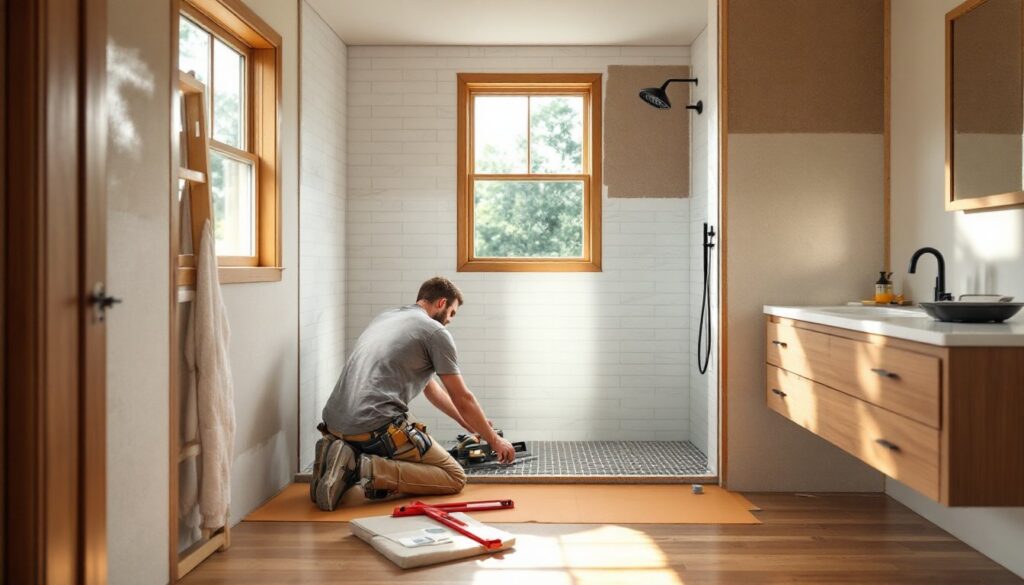
Tile work sits in the middle. Setting wall tile in a tub surround is manageable for someone with decent hand-eye coordination and willingness to learn. Floor tile, especially large-format porcelain, requires more skill. Lippage, improper thinset coverage, and inadequate waterproofing are common DIY pitfalls. If attempting tile, invest in a quality wet saw (rent one for $60–$80 per day) and use a waterproof membrane like Schluter Kerdi or RedGard behind shower tile.
Plumbing and electrical work should generally go to licensed pros in Tulsa. Oklahoma allows homeowners to do their own plumbing and electrical work in their own homes, but it still must meet code and pass inspection. Most DIYers lack the knowledge to sweat copper, install PEX correctly, or wire GFCI outlets per NEC (National Electrical Code) standards. Mistakes here lead to leaks, water damage, and electrical fires, not worth the savings.
Moving plumbing fixtures is expensive because it involves rerouting drain lines and supply pipes, often through walls and floors. If the toilet or shower location changes, budget an extra $1,500–$3,500 for plumbing alone. Many Tulsa bathroom remodeling contractors recommend keeping fixtures in place during budget-conscious remodels.
Structural changes, removing walls, adding windows, or altering floor joists, require engineering and permits. Always hire a licensed contractor for this work. Tulsa’s clay soils shift, and cutting load-bearing members without proper support can cause real damage.
Navigating Permits and Regulations in Tulsa
The City of Tulsa requires permits for most bathroom renovations beyond simple cosmetic updates. If the project involves plumbing, electrical, or structural work, a permit is mandatory. This includes moving fixtures, adding circuits, installing new exhaust fans, or altering walls.
Permit fees vary by scope but generally range from $50 to $200 for residential bathroom work. Applications go through the Development Services office at City Hall or online via Tulsa’s permitting portal. Expect plan review to take 5–10 business days, longer if the project involves structural changes.
Inspections are required at specific milestones: rough-in (before covering walls), final plumbing, and final electrical. Skipping permits might seem tempting, but unpermitted work causes problems during home sales. Title companies and buyers’ lenders often require proof that renovations were permitted and inspected. Retroactive permits cost more and create delays.
Tulsa follows the International Residential Code (IRC) and National Electrical Code (NEC). Key code requirements for bathrooms:
- GFCI protection on all outlets within 6 feet of a water source
- Exhaust fans vented to exterior (not attics or soffits)
- Minimum 30″×30″ clear floor space in front of toilets and showers
- Tempered glass or safety glazing for shower doors and windows near tubs
- Proper slope for shower pans (1/4″ per foot minimum toward drain)
Hired contractors typically handle permit applications, but homeowners doing their own work must pull permits in their name. Inspectors are generally reasonable, they want safe, code-compliant work, not perfection. If something fails inspection, they’ll explain what needs correction. Homeowners drawing on renovation tips and strategies find that open communication with inspectors prevents most issues.
Conclusion
Bathroom renovations in Tulsa reward careful planning, realistic budgets, and respect for local climate and code requirements. Focus dollars on quality waterproofing, proper ventilation, and durable fixtures that handle hard water. Know when to DIY and when to hire pros, cosmetic updates are manageable, but plumbing and electrical work often pay for themselves in avoided headaches. With the right approach, a Tulsa bathroom renovation delivers years of daily comfort and solid return on investment.