Table of Contents
ToggleCambridge homeowners know their bathrooms work hard, morning rush hours, cramped layouts in century-old homes, and outdated fixtures that haven’t been touched since the ’80s. Whether it’s a Victorian two-bath or a modern condo, a bathroom renovation can boost home value, improve daily function, and finally deliver the storage and style a family actually needs. This guide walks through the practical side of bathroom remodeling in Cambridge: budgets, permits, local building codes, design choices that hold up, and how to find reliable contractors who understand New England construction quirks.
Key Takeaways
- Cambridge bathroom renovation projects typically cost between $25,000 and $35,000 for a midrange remodel, with timelines ranging from 6 to 12 weeks depending on scope and potential hidden issues in older homes.
- Bathroom renovation in Cambridge requires building permits for any plumbing, electrical, or structural work, and must comply with Massachusetts State Building Code requirements including proper ventilation, GFCI protection, and fixture clearances.
- Space-maximizing strategies like wall-hung vanities, corner showers, recessed storage, and proper lighting are essential for optimizing smaller Cambridge bathrooms that often measure 5×8 feet or less.
- Energy-efficient upgrades including low-flow toilets and WaterSense-certified faucets not only reduce utility costs but also increase home resale value in Cambridge’s sustainability-focused market.
- Hiring licensed, insured contractors with local experience in older New England homes and verifying credentials through Massachusetts license lookup can prevent costly mistakes and ensure code compliance.
- Durable materials like porcelain tile, quartz countertops, and wall-hung vanities combined with proper moisture control—including waterproof backer board and adequate ventilation—ensure long-term bathroom functionality and prevent expensive water damage.
Why Cambridge Homeowners Are Prioritizing Bathroom Renovations
Cambridge’s housing stock leans heavily on older builds, many homes date back 80 to 100+ years. Original bathrooms in these properties often feature undersized layouts, outdated plumbing, poor ventilation, and finishes that don’t meet modern water-resistance standards. Homeowners renovate to address moisture problems, increase resale value, and accommodate multigenerational living.
Another driver: space efficiency. Cambridge properties typically offer less square footage than suburban alternatives, so bathrooms need to deliver maximum function in minimal space. Adding a second bathroom or converting a half-bath into a full bath significantly improves livability and marketability.
Energy efficiency matters too. Upgrading to low-flow toilets (1.28 gallons per flush vs. older 3.5–5 GPF models), WaterSense-certified faucets, and better insulation around exterior walls cuts utility costs and appeals to eco-conscious buyers. Cambridge’s focus on sustainability makes these upgrades a smart long-term investment.
Finally, aging-in-place modifications are on the rise. Walk-in showers with grab bars, curbless entries, comfort-height toilets, and slip-resistant tile help homeowners stay in their properties longer without sacrificing style.
Planning Your Cambridge Bathroom Renovation: Budget and Timeline
Most Cambridge bathroom renovations take 6 to 12 weeks from demolition to final inspection, depending on scope, material lead times, and permitting delays. A cosmetic refresh (new fixtures, tile, paint) runs faster than a full gut job involving plumbing relocation or structural changes.
Timeline factors specific to Cambridge: older homes often reveal hidden issues, knob-and-tube wiring, cast-iron stacks, asbestos tile, or wood rot, that extend schedules. Always budget extra time for unforeseen conditions. Winter projects can also slow down if materials need to acclimate indoors or if dumpster access is blocked by snow.
Setting a Realistic Budget for Your Project
Cambridge bathroom renovations typically range from $15,000 to $50,000+, with the median landing around $25,000 to $35,000 for a midrange remodel. Budget breakdown:
- Labor (40–50%): Plumbers, electricians, tile setters, and general contractors. Skilled labor in the Boston metro area runs higher than national averages.
- Materials (30–40%): Tile, vanity, tub or shower, toilet, faucets, lighting, flooring.
- Fixtures and finishes (10–15%): Hardware, mirrors, paint, caulk, grout.
- Permits and disposal (5–10%): Dumpster rental, permit fees, unexpected structural fixes.
Upgrades that push budgets higher: heated floors, custom tile work, frameless glass enclosures, high-end vanities, and relocating plumbing or electrical. For cost guidance and contractor matches, platforms like HomeAdvisor and Angi offer regional estimates and verified pro reviews.
To stay on budget, lock in material selections early. Tile, vanities, and fixtures often have 4–8 week lead times. Avoid mid-project changes, they’re the fastest way to blow your budget and timeline.
Navigating Local Permits and Building Codes in Cambridge
Any work involving plumbing, electrical, or structural changes in Cambridge requires a building permit from the city’s Inspectional Services Department. This includes moving fixtures, adding circuits, altering load-bearing walls, or installing new vent fans.
Cosmetic updates, painting, replacing a vanity without moving plumbing, swapping a light fixture on an existing junction box, typically don’t need permits. When in doubt, ask your contractor or call the city directly. Unpermitted work can complicate resales and insurance claims.
Cambridge follows the Massachusetts State Building Code (based on the International Residential Code), with local amendments. Key bathroom code requirements:
- Ventilation: Bathrooms need either a window (minimum 3 square feet, operable) or a mechanical vent fan exhausting outdoors (50 CFM minimum for bathrooms under 100 sq ft).
- GFCI protection: All outlets within 6 feet of water sources must be GFCI-protected per NEC standards.
- Clearances: Toilets require at least 15 inches from centerline to sidewall, 21 inches clear in front. Showers need minimum 30×30 inches interior dimension.
- Water heater relief valves: If replacing a water heater, discharge pipes must terminate properly.
Older Cambridge homes may have grandfathered non-conforming layouts. You’re not always forced to bring everything up to current code unless you’re doing substantial alterations, but it’s smart to upgrade where feasible, especially electrical and ventilation.
Permit timelines vary. Plan for 2–4 weeks for plan review and approval. Your contractor usually handles filing, but homeowners can pull permits themselves if acting as their own general contractor. Inspections occur at rough-in (before closing walls) and final stages.
Design Trends and Materials Popular in Cambridge Bathrooms
Cambridge bathroom design leans toward classic, durable finishes that complement both historic and modern architecture. Trends that work well locally:
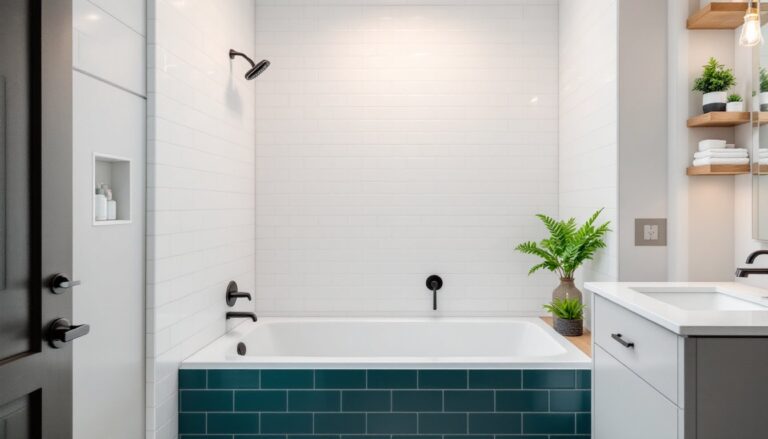
- Subway tile and hexagonal mosaics: Timeless, easy to source, and pair with vintage or contemporary fixtures. White 3×6 subway tile remains the go-to for wainscoting and shower surrounds.
- Neutral palettes with natural accents: Grays, whites, warm beiges, and matte black fixtures. Wood-look porcelain tile or real hardwood (with proper sealing) adds warmth without moisture risk.
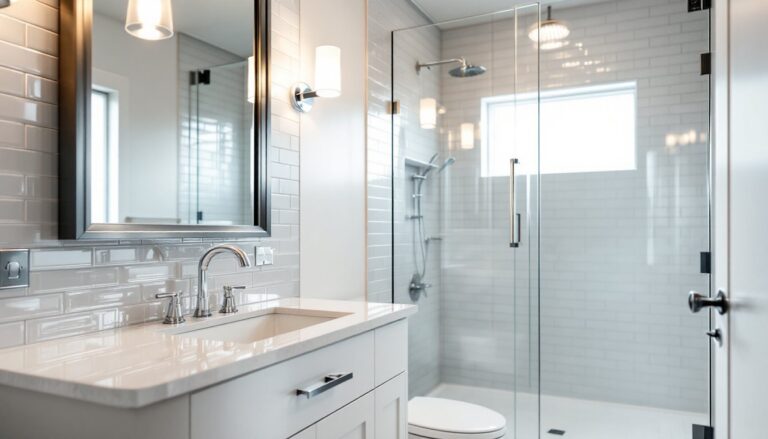
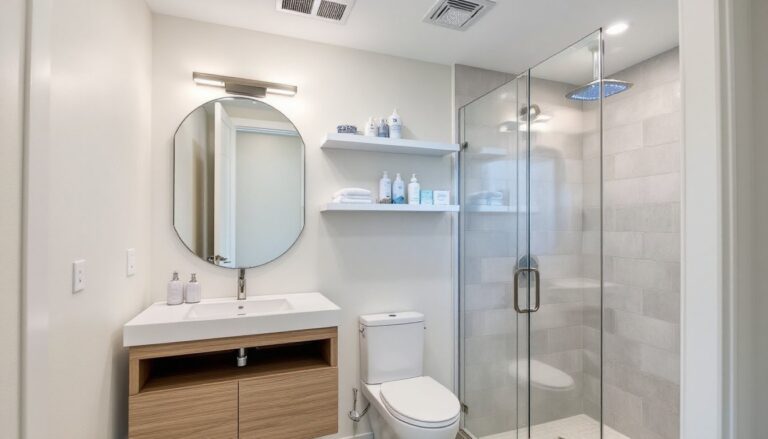
- Frameless or semi-frameless glass showers: Maximizes light and visual space in small bathrooms.
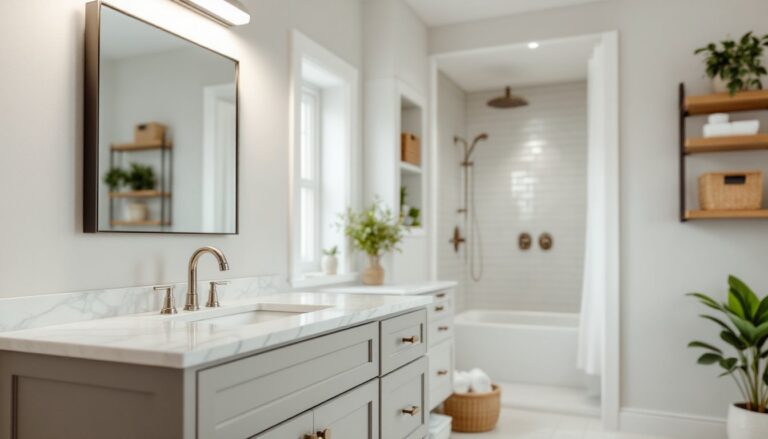
- Quartz countertops: Low-maintenance, non-porous, widely available. Marble is popular but requires sealing and careful maintenance.
- Wall-hung vanities: Create the illusion of more floor space and simplify cleaning.
Many homeowners integrate renovation tips and ideas that emphasize longevity over fleeting trends, think durable porcelain tile rated for wet areas, solid wood or plywood cabinet boxes (not particleboard), and fixtures with replaceable cartridges.
For flooring, porcelain or ceramic tile dominates. Luxury vinyl plank (LVP) is gaining traction for its warmth underfoot and water resistance, but verify it’s rated for wet areas and install with waterproof underlayment. Skip laminate and engineered hardwood in full baths, they don’t hold up to moisture.
Lighting matters. Recessed LED cans (IC-rated if touching insulation) provide general light: sconces flanking mirrors reduce shadows for grooming. Dimmer switches add flexibility.
Choosing the Right Contractors and Suppliers in Cambridge
Hiring the right team makes or breaks a bathroom renovation. In Cambridge, demand for skilled trades runs high, so book contractors 2–3 months ahead for spring and summer projects.
Start by getting at least three written estimates. Each should itemize labor, materials, permits, and timeline. Be wary of bids significantly lower than others, they often signal cut corners, unlicensed subs, or change-order traps.
Verify credentials:
- Licensed and insured: Massachusetts requires Construction Supervisor Licenses (CSL) for most general contractors. Check the state license lookup.
- References and portfolio: Ask for recent bathroom projects in similar homes. Visit completed jobs if possible.
- Local experience: Contractors familiar with Cambridge’s older housing stock know how to handle plaster walls, tight access, and surprise conditions.
Many Cambridge homeowners find qualified professionals through local bathroom remodeling directories that feature verified reviews and project photos.
For materials, Cambridge has several tile and fixture showrooms, but many pros order through trade accounts for better pricing and availability. If you’re sourcing your own materials, confirm dimensions and lead times before demo starts. A delayed vanity can stall an entire project.
Payment structure: expect a deposit (usually 10–20%), progress payments tied to milestones (rough-in, tile complete, fixtures installed), and final payment upon passing inspection. Never pay the full balance upfront.
Maximizing Space and Functionality in Smaller Cambridge Bathrooms
Cambridge bathrooms, especially in older homes and condos, often measure 5×8 feet or smaller. Smart layout and fixture choices make tight spaces work harder.
Start with the toilet and shower/tub footprint. A standard 60-inch tub eats valuable real estate. Swapping it for a 36×36-inch or 32×60-inch shower stall frees up floor space for a larger vanity or linen storage. Corner showers (neo-angle or quadrant style) fit awkward layouts.
Consider a wall-hung or corner toilet to reclaim a few inches. Compact models with round bowls (vs. elongated) gain another 2 inches of clearance, helpful in narrow spaces.
Vanity strategy: A 24- or 30-inch wall-mounted vanity with drawers (not doors) offers better storage access. Shallow-depth vanities (16–18 inches vs. standard 21 inches) work in tight corridors. Skip pedestal sinks unless aesthetics outweigh storage needs, they offer zero storage.
Vertical storage wins. Recessed medicine cabinets, tall linen cabinets (12–18 inches deep), and floating shelves use wall space without crowding the floor. In older homes, carve out recessed niches between studs (typically 14.5 inches wide between 16-inch on-center framing) for toiletries and towels.
Lighting and mirrors expand perceived space. A large frameless mirror reflects light and makes the room feel bigger. Add task lighting at the mirror and ambient recessed lights overhead. Avoid dark paint in small bathrooms, stick with light neutrals or white.
Pocket doors save the swing radius of a standard door (about 9 square feet). They’re tricky to retrofit but worth it in cramped layouts. If a pocket door isn’t feasible, swing the door outward into the hallway.
Finally, apply essential renovation tips around moisture control: proper ventilation (exhaust fan or window), waterproof backer board behind all wet-area tile, and sloped shower floors (minimum 1/4 inch per foot) toward the drain. Cutting corners on moisture barriers leads to mold, rot, and expensive repairs down the road.
Cambridge bathroom renovations demand careful planning, realistic budgets, and attention to local codes, but the payoff in comfort, functionality, and home value makes the effort worthwhile. Whether tackling a modest refresh or a full gut rehab, homeowners who invest in quality materials, skilled labor, and thoughtful design end up with bathrooms that serve them well for decades.