Table of Contents
TogglePhiladelphia’s housing stock, rowhomes, twins, and century-old Victorians, brings character and quirks in equal measure. Bathrooms in these homes often feature cramped layouts, outdated plumbing, and tile choices that haven’t aged well. A thoughtful renovation can transform a neglected 5×8 space into a functional, modern retreat while respecting the home’s original footprint. This guide walks through the real costs, permit requirements, contractor vetting, and material choices specific to Philadelphia homeowners tackling a bathroom remodel.
Key Takeaways
- Bathroom renovation Philadelphia costs range from $8,000 for a basic refresh to $35,000+ for a full remodel, with mid-range projects typically running $15,000–$22,000 when plumbing fixtures are not relocated.
- Philadelphia requires building permits for plumbing, electrical, and structural changes; cosmetic work does not need permits, but expect $100–$300 in fees and 7–14 business days for processing.
- Choose materials built to withstand Philly’s humid summers and freeze-thaw winters, such as porcelain tile, plywood vanities, and WaterSense fixtures, rather than cheap finishes that fail quickly.
- Vet contractors carefully by verifying PA Home Improvement Contractor registration, requesting references, demanding detailed written estimates, and avoiding red flags like upfront payment requests or pressure to skip permits.
- Plan for a 3–6 week timeline for full bathroom renovations, but budget an extra 10–15% contingency and buffer time for permit delays, material backorders, and common plumbing surprises in older homes.
- Respect your Philadelphia home’s architectural era when designing: subway tile for Victorians, checkerboard floors for 1920s–1950s homes, and minimalist finishes for contemporary properties.
Understanding Bathroom Renovation Costs in Philadelphia
Bathroom renovation costs in Philadelphia range from $8,000 for a basic refresh to $35,000+ for a full gut-and-rebuild. The city’s older housing stock often hides surprises, corroded cast iron drain lines, knob-and-tube wiring, or lath-and-plaster walls that crumble when touched.
A mid-range renovation (new tub, tile surround, vanity, toilet, and flooring) typically runs $15,000–$22,000 in Philly. This assumes you’re not relocating plumbing fixtures or tearing into structural walls. Moving a toilet or shower valve adds $1,500–$3,000 in plumber labor alone, since you’re cutting into joists and rerouting drain lines.
Material and labor breakdown (approximate):
- Demolition and disposal: $800–$1,500
- Plumbing (fixture install, no relocation): $2,000–$4,000
- Electrical (GFCI outlets, vanity lighting, exhaust fan): $800–$1,800
- Tile (floor and surround, mid-grade ceramic): $3,500–$6,000 installed
- Vanity and sink: $600–$2,500
- Toilet: $200–$600
- Tub or shower base: $400–$1,200
- Paint and trim: $400–$800
Labor in Philadelphia runs $65–$95/hour for general contractors, with licensed plumbers and electricians billing $90–$150/hour. Tile setters charge $8–$15/sq ft installed, depending on layout complexity and material.
Budget an extra 10–15% contingency for unexpected issues. In rowhomes built before 1950, that buffer gets used more often than not. Homeowners researching renovation strategies should plan for these hidden costs upfront.
Navigating Permits and Building Codes in Philly
Philadelphia requires a building permit for most bathroom renovations that involve plumbing, electrical, or structural changes. Cosmetic work, paint, vanity swap, new mirror, doesn’t need a permit. But the moment you relocate a toilet, add a shower, or upgrade the electrical panel, you’re pulling permits.
Permits are issued by Philadelphia’s Department of Licenses & Inspections (L&I). Applications are submitted online or in person at the Municipal Services Building. Expect $100–$300 in permit fees, depending on project scope. Processing takes 7–14 business days if plans are complete.
When you need a permit:
- Relocating or adding plumbing fixtures
- Running new electrical circuits or upgrading the panel
- Removing or altering walls (especially in rowhomes, where party walls may be load-bearing)
- Installing new exhaust fans vented to the exterior
Philadelphia follows the International Residential Code (IRC) and the National Electrical Code (NEC). Key code requirements:
- GFCI protection on all bathroom outlets (NEC 210.8)
- Exhaust fan rated for the room’s cubic footage, vented outdoors, not into the attic (IRC M1507)
- Minimum clearances: 21 inches in front of toilet, 30×30-inch clear floor space at vanity
- Tempered glass for shower doors and any glazing within 18 inches of the tub
If you’re doing the work yourself, you can pull an owner-occupied permit, but you’ll still need inspections at rough-in (before closing walls) and final. Skipping permits can complicate future home sales and void homeowner’s insurance claims if something goes wrong.
Choosing the Right Renovation Style for Your Philadelphia Home
Philadelphia’s architectural variety, Queen Anne Victorians, 1920s twins, midcentury ranches, invites different design approaches. The best renovations respect the home’s era without slavish replication.
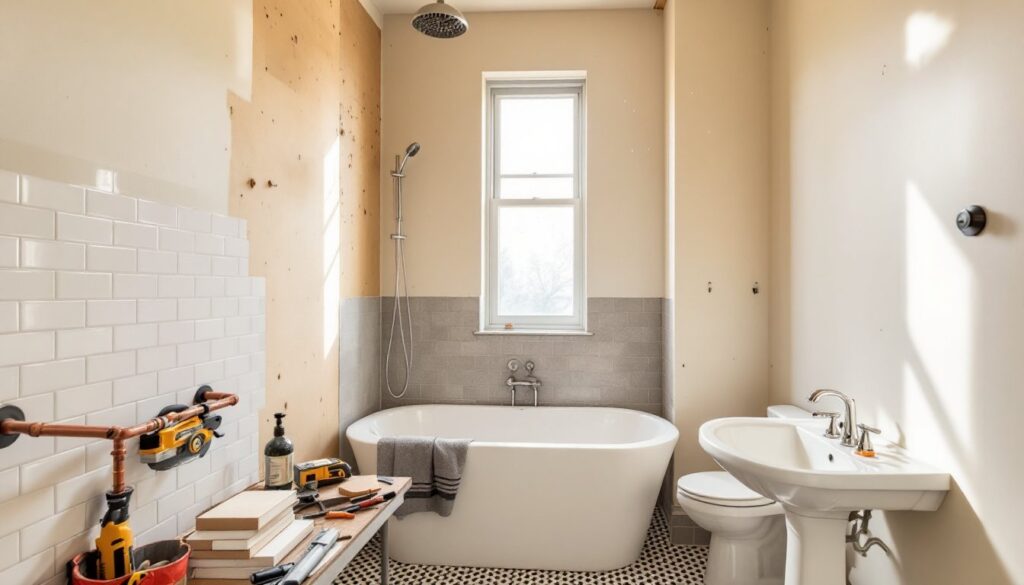
For rowhomes and Victorians (pre-1920), consider:
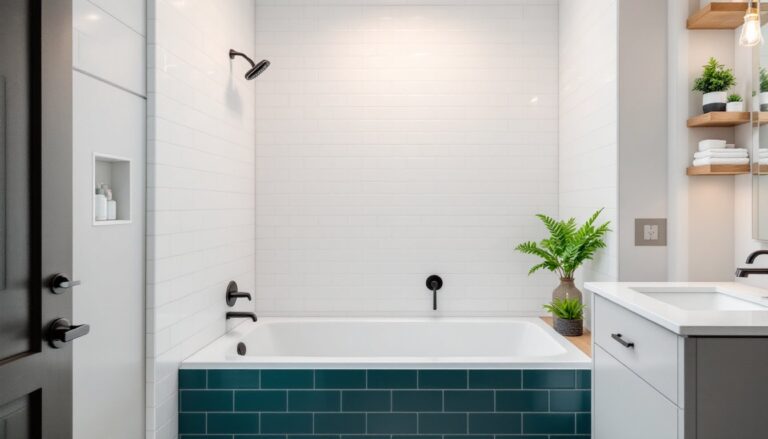
- Subway tile (3×6 white ceramic) in a classic offset pattern for tub surrounds
- Hex floor tile (1-inch or 2-inch matte white or black-and-white)
- Pedestal sinks or vintage-style vanities with turned legs
- Clawfoot tubs (if space permits) or alcove tubs with tile skirts
- Nickel or oil-rubbed bronze fixtures over chrome
These homes often have high ceilings and tall windows. Emphasize vertical lines with stacked tile and wainscoting-height borders.
For 1920s–1950s twins and Cape Cods, lean into:
- Checkerboard floor tile (black and white, or period colors like mint or pink)
- Built-in niches and corner shelves in shower enclosures
- Simple slab or shaker vanities in painted wood
- Chrome fixtures and clean, geometric lines
Online platforms like Houzz offer visual inspiration tailored to Philadelphia’s housing stock, with thousands of local project photos.
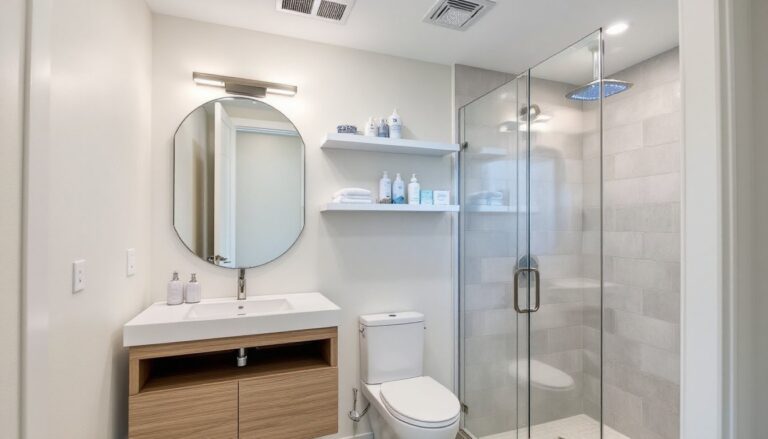
For midcentury and contemporary homes, go minimal:
- Large-format tile (12×24 or bigger) in neutral tones
- Floating vanities with undermount sinks
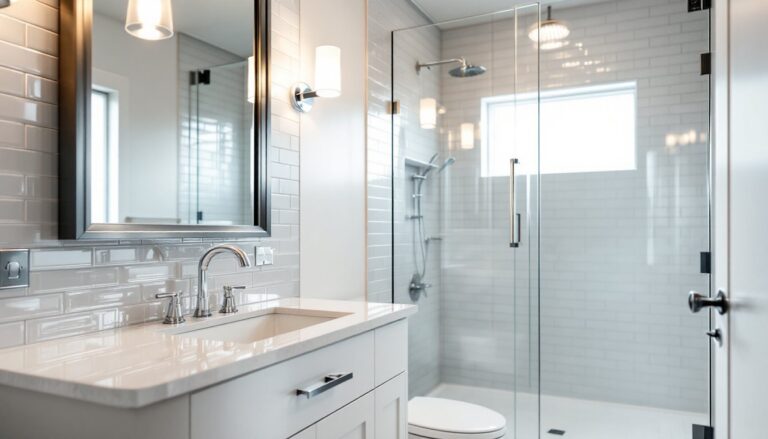
- Frameless glass shower enclosures
- Matte black or brushed gold fixtures
Avoid trendy finishes that’ll date quickly. Subway tile and white hex have looked good for a century: they’ll outlast this year’s Instagram darling.
Finding and Vetting Local Contractors in Philadelphia
Finding a reliable contractor in Philadelphia requires digging past the first Google result. Start with referrals from neighbors who’ve done similar work. Rowhome owners in particular should seek contractors experienced with tight spaces, shared walls, and old plumbing.
Where to search:
- Word of mouth: Ask in neighborhood Facebook groups (Fishtown Neighbors, South Philly Community, etc.)
- L&I permit records: Search recent permits by address to see who pulled them
- Online directories: Platforms like HomeAdvisor match homeowners with local pros and provide cost estimates
Vetting checklist:
- Active PA Home Improvement Contractor (HIC) registration: Required for jobs over $5,000. Verify at the Attorney General’s Office website.
- General liability insurance: Ask for a certificate of insurance. Minimum $500,000 coverage.
- Workers’ comp insurance (if the contractor has employees)
- References: Call at least two past clients. Ask about timeline, budget adherence, and cleanup.
- Detailed written estimate: Should itemize labor, materials, permits, and timeline. Avoid “lump sum” bids with no breakdown.
- Payment schedule: Never pay more than 30% upfront. Tie draws to completion milestones, not calendar dates.
Red flags:
- Requests for full payment upfront
- No physical business address
- Pressure to skip permits
- No written contract
Philadelphia’s contractor licensing is looser than some cities, so due diligence matters. Homeowners following best renovation tips know that vetting saves money and headaches later.
Best Materials and Fixtures for Philadelphia Bathrooms
Philadelphia’s humid summers and freeze-thaw winters demand materials that handle moisture and temperature swings. Cheap finishes fail fast here.
Tile:
- Porcelain over ceramic for floors. Porcelain is denser, less porous, and handles freeze-thaw cycles better.
- Glazed ceramic or porcelain for walls and tub surrounds. Aim for water absorption under 0.5%.
- Avoid natural stone (marble, travertine) unless you’re committed to sealing it annually. Philly’s hard water etches marble quickly.
Vanities and cabinetry:
- Plywood or solid wood construction, not particleboard. Particleboard swells and disintegrates if a sink leaks.
- Soft-close hinges and drawer glides. They’re worth the $50 upcharge.
- For tight spaces (under 36 inches), consider a wall-mounted vanity to free up floor space.
Fixtures:
- WaterSense-labeled toilets and faucets. Philadelphia offers occasional rebates for water-efficient fixtures.
- Pressure-balance or thermostatic shower valves. They prevent scalding when someone flushes a toilet.
- Delta, Kohler, or Moen for faucets and shower trim. All have local parts availability and solid warranties.
Ventilation:
- Exhaust fans rated at 1 CFM per square foot of bathroom area (50 CFM minimum). Panasonic WhisperCeiling and Broan models are quiet and reliable.
- Vent through the roof or gable wall, never into the attic. Philly’s humidity will rot rafters.
Flooring:
- Porcelain tile or luxury vinyl plank (LVP) rated for wet areas. LVP is warmer underfoot and DIY-friendly.
- Avoid laminate (swells at seams) and hardwood (even engineered versions warp in bathrooms).
For sourcing, ReStore (Habitat for Humanity, 150 W Berks St) often stocks surplus tile and vanities at 50–70% off retail. Design sites like Remodelista curate product guides that separate quality materials from hype.
Timeline: How Long Does a Bathroom Renovation Take in Philly?
A full bathroom renovation in Philadelphia takes 3–6 weeks from demo to final walkthrough, assuming no major surprises. Permit delays, material backorders, and hidden plumbing issues can stretch that to 8–10 weeks.
Typical timeline breakdown:
- Design and planning: 1–2 weeks. Measure, select materials, finalize layout, order fixtures.
- Permit application and approval: 1–2 weeks (submit plans early).
- Demolition: 1–2 days. Rip out old fixtures, tile, and damaged drywall.
- Rough-in plumbing and electrical: 2–3 days. Relocate drains, run new supply lines, add circuits.
- Rough-in inspection: 1 day (schedule with L&I once rough work is done).
- Framing and backer board install: 1–2 days. Use cement board or Kerdi board for wet areas, not green drywall.
- Tile work: 3–5 days (floor, walls, and surround). Add 1–2 days for grout curing.
- Vanity, toilet, and fixture install: 1–2 days.
- Paint and trim: 1–2 days.
- Final inspection: 1 day.
Common delays:
- Permit revisions: If L&I rejects plans, expect another week.
- Material backorders: Custom tile or special-order vanities can add 2–6 weeks. Order early.
- Plumbing surprises: Replacing a corroded cast iron stack adds 2–3 days and $1,500–$3,000.
Hiring a contractor who pulls permits upfront and orders materials before demo keeps the job moving. Homeowners planning top renovation tips emphasize the importance of a realistic timeline buffer.
Conclusion
Philadelphia bathroom renovations succeed when homeowners balance ambition with the realities of old homes, local codes, and skilled labor availability. Budget for surprises, pull permits, vet contractors thoroughly, and choose materials that’ll outlast the next decade. A well-planned bathroom remodel delivers daily comfort and solid return on investment, whether you’re staying put or selling in a few years.