Table of Contents
TogglePittsburgh’s housing stock, largely pre-1960s construction, means bathrooms built for function, not comfort. Cramped layouts, outdated fixtures, and questionable tile choices are the norm. But homeowners across the city are transforming these tired spaces into functional, modern retreats. Whether you’re tackling a half-bath refresh or a complete gut job, Pittsburgh’s unique climate, building codes, and contractor market shape how you’ll plan, budget, and execute your renovation. This guide walks through what local homeowners need to know before the first tile gets pulled.
Key Takeaways
- A bathroom renovation in Pittsburgh typically costs between $6,000 for basic refreshes and $40,000+ for high-end gut jobs, with budget padding of 15-20% recommended for hidden issues common in older homes.
- Pittsburgh building code compliance requires proper ventilation (operable window or mechanical exhaust fan), GFCI outlet protection within six feet of water sources, and permits for most renovations beyond cosmetic updates.
- Porcelain tile is the gold standard for Pittsburgh bathrooms due to the region’s freeze-thaw cycles and moisture; proper waterproofing, ventilation, and quality installation are essential for long-term durability.
- A full bathroom renovation timeline in Pittsburgh averages 3-6 weeks, though winter weather and material delays can extend the project; plan contractor searches 2-3 months before your target start date.
- Pittsburgh’s real estate market delivers 60-70% cost recovery for mid-range bathroom remodels at resale, making renovations a solid investment beyond improved functionality and energy efficiency.
Why Pittsburgh Homeowners Are Investing in Bathroom Renovations
Pittsburgh’s real estate market has been heating up steadily since the mid-2010s, and bathroom renovations deliver one of the highest returns on investment for local sellers. A mid-range bathroom remodel in the Pittsburgh metro area typically recoups around 60-70% of its cost at resale, according to national remodeling cost-vs-value data adjusted for the region.
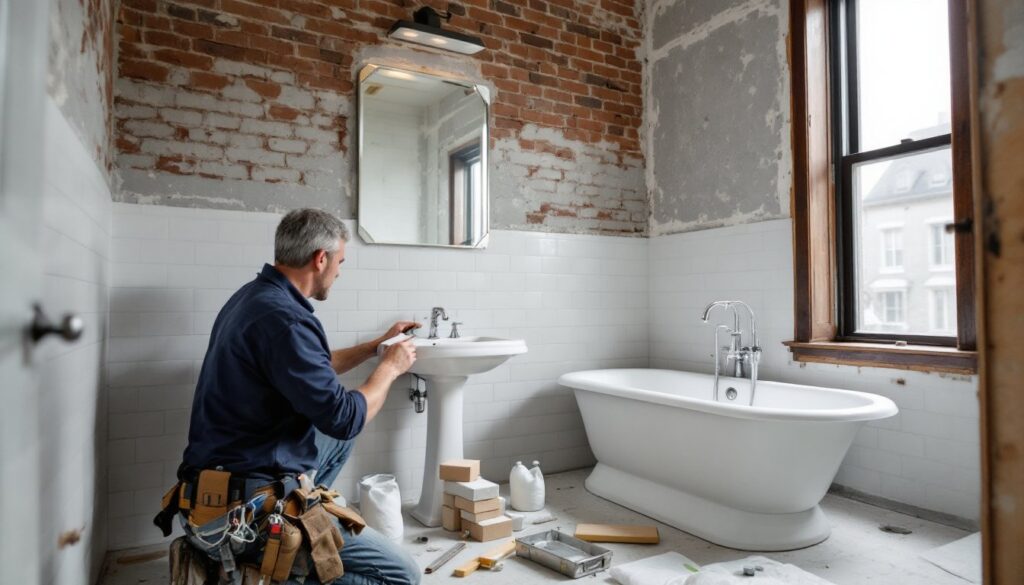
Beyond resale value, Pittsburgh’s aging housing stock creates practical needs. Many homes in neighborhoods like Squirrel Hill, Shadyside, and Lawrenceville feature original bathrooms with cast-iron tubs, pedestal sinks, and minimal storage. Homeowners are updating these spaces to add functionality, think double vanities, walk-in showers with grab bars, and proper ventilation to combat Pittsburgh’s humidity.
Energy efficiency is another driver. Older bathrooms often lack insulation around exterior walls, and single-pane windows create cold spots during Pittsburgh’s long winters. A thoughtful renovation addresses these issues with proper vapor barriers, insulated walls, and low-flow fixtures that cut water heating costs.
Setting Your Bathroom Renovation Budget in Pittsburgh
In Pittsburgh, a basic bathroom refresh, new vanity, toilet, paint, and flooring, runs $6,000 to $12,000 for a standard 5×8-foot space. Mid-range renovations that include new tile, updated plumbing fixtures, and better lighting land between $15,000 and $30,000. High-end gut jobs with custom tile work, heated floors, and premium fixtures can easily exceed $40,000.
Labor costs in Pittsburgh are slightly below national averages, but material costs have climbed. Expect to pay $50-85 per square foot for professional-grade porcelain tile installation, and $3,000-6,000 for a decent fiberglass or acrylic tub-shower combo. Custom tile showers start around $4,000 for materials and labor.
Always pad your budget by 15-20% for surprises. Pittsburgh’s older homes often hide issues, rotted subfloors from slow leaks, outdated plumbing that doesn’t meet current code, or knob-and-tube wiring that needs replacing if you’re adding new circuits. Tools like cost estimators can help, but local contractors will give you the most accurate numbers after seeing your specific space.
Key cost drivers:
- Plumbing relocations: Moving a toilet or shower drain requires cutting concrete in many Pittsburgh basements. Budget $1,500-3,000 per fixture relocation.
- Ventilation: If your bathroom lacks an exhaust fan (common in older homes), adding one with proper ductwork to the exterior costs $300-800.
- Electrical upgrades: GFCI outlets are required within six feet of water sources. Upgrading an old bathroom to current NEC standards often means a new 20-amp circuit.
Navigating Pittsburgh Building Codes and Permit Requirements
The City of Pittsburgh requires permits for most bathroom renovations beyond simple cosmetic updates. If you’re moving plumbing, adding electrical circuits, or altering the structure, you need a permit. Permit fees vary but typically range from $75 to $300 depending on project scope.
Pittsburgh follows the International Residential Code (IRC) with local amendments. Key bathroom-specific requirements include:
- Ventilation: Bathrooms must have either an operable window (at least 3 square feet, with half that openable) or a mechanical exhaust fan rated for the room’s cubic footage. Pittsburgh’s humidity makes proper ventilation non-negotiable.
- GFCI protection: All outlets within six feet of a sink must be GFCI-protected. This is a National Electrical Code (NEC) requirement strictly enforced during inspections.
- Clearances: The IRC mandates at least 21 inches of clear space in front of toilets and 15 inches from the toilet centerline to any wall or fixture.
If you’re doing the work yourself, you can pull an owner-occupant permit, but you’ll need to pass inspections for rough-in plumbing, electrical, and final. Most Pittsburgh homeowners hire licensed contractors who handle permits as part of their service. Skipping permits is risky, it can complicate insurance claims and create issues when you sell.
Allegheny County (outside city limits) has similar but not identical requirements. Check with your local municipal building department. Some townships are stricter about DIY electrical work and require licensed electricians for anything beyond replacing fixtures.
Choosing the Right Design Style for Your Pittsburgh Bathroom
Pittsburgh’s architectural character leans traditional, think Craftsman bungalows, Tudor revivals, and Victorian rowhouses. Many homeowners choose bathroom designs that respect these roots while adding modern function.
Popular styles in Pittsburgh renovations:
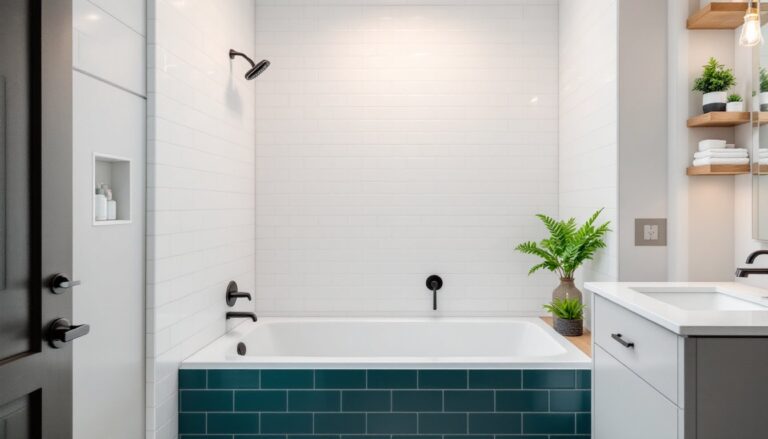
- Modern Farmhouse: Shiplap accent walls, matte black fixtures, subway tile, and freestanding tubs. This style works well in renovated homes in neighborhoods like Highland Park and Brookline.
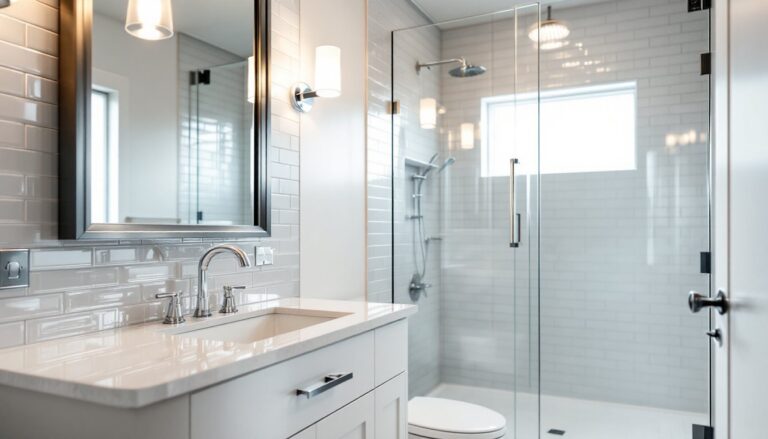
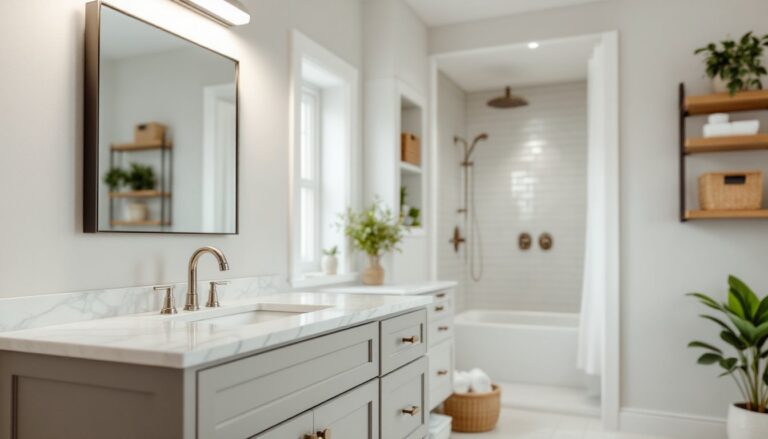
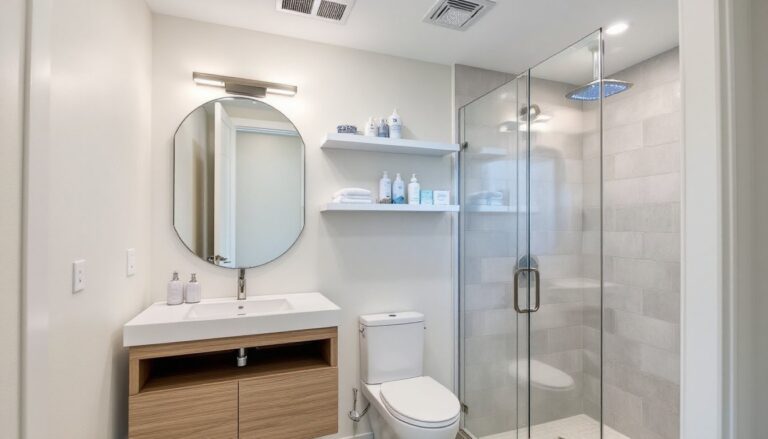
- Classic Transitional: White subway tile with gray grout, chrome or brushed nickel fixtures, marble-look porcelain, and clean-lined vanities. It’s timeless and appeals to a broad range of buyers.
- Industrial: Exposed plumbing, concrete-look tile, Edison bulb lighting, and metal accents. This fits loft conversions in areas like Lawrenceville and the Strip District.
Pittsburgh’s climate demands durable, moisture-resistant materials. Porcelain tile is the gold standard for floors and showers, it’s harder and less porous than ceramic. If you’re set on natural stone, seal it properly and reapply sealer annually. Pittsburgh winters mean freeze-thaw cycles can crack improperly installed tile, so use a quality thinset and grout rated for wet areas.
For paint, use a moisture-resistant primer and semi-gloss or satin finish. Flat paint in Pittsburgh bathrooms invites mildew. Ventilation is your friend here, run that exhaust fan during showers and for 20 minutes after.
Finding and Vetting Bathroom Contractors in Pittsburgh
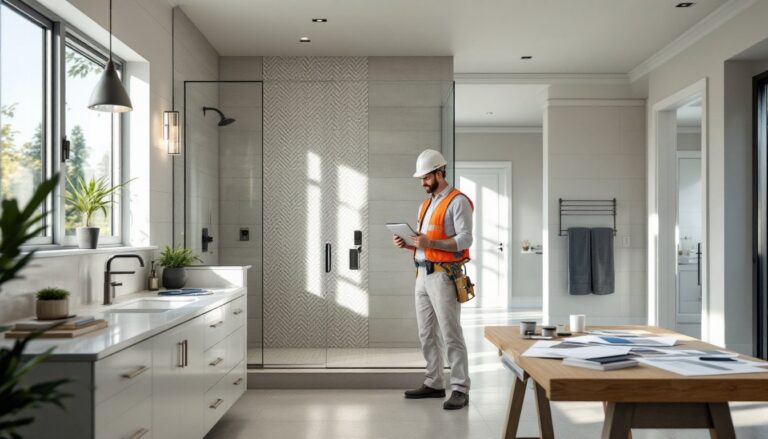
Pittsburgh has no shortage of remodeling contractors, but quality varies. Start by asking for referrals from neighbors, especially in established neighborhoods where word-of-mouth matters. Online platforms that feature local bathroom contractors can help you compare portfolios and reviews.
What to check before hiring:
- Licensing and insurance: Pennsylvania doesn’t require a state license for general contractors, but they should carry general liability insurance and workers’ comp. Ask for proof.
- References: Get at least three recent clients and actually call them. Ask about communication, timeline adherence, and how the contractor handled surprises.
- Detailed estimates: A good contractor provides a line-item breakdown, not a vague lump sum. You should see separate costs for demo, plumbing, electrical, tile, fixtures, and labor.
- Contract clarity: Everything should be in writing, scope of work, payment schedule, timeline, materials specs, and who pulls permits.
Avoid contractors who ask for large upfront deposits (more than 10-15%) or who pressure you to decide quickly. Pittsburgh’s renovation season runs April through October, so good contractors book up. Plan to start your search 2-3 months before your target start date.
DIYers can handle demo, painting, and fixture installation if they’re comfortable with basic plumbing (replacing a toilet or vanity is straightforward). But anything involving moving drain lines, electrical panel work, or structural changes should go to pros. Resources on home renovation planning can help clarify what’s DIY-friendly versus pro territory.
Timeline Expectations: How Long Your Pittsburgh Bathroom Renovation Will Take
A full bathroom renovation in Pittsburgh typically takes 3-6 weeks from demo to final walkthrough, assuming no major surprises. Here’s a realistic breakdown:
Week 1: Demo and rough-in
- Tear out old fixtures, tile, and damaged subfloor
- Rough-in new plumbing and electrical
- Install any new framing or blocking for grab bars, shelves, or wall-mounted vanities
- First inspection (rough plumbing and electrical)
Week 2: Substrate and waterproofing
- Install cement board or Schluter systems on walls
- Apply waterproofing membrane in wet areas
- Set new subfloor if needed
Week 3-4: Tile and drywall
- Install floor tile (allow 24-48 hours for thinset to cure before grouting)
- Install wall tile in shower/tub area
- Hang and finish drywall in non-tiled areas
- Grout and seal tile
Week 5: Fixtures and finish work
- Install vanity, toilet, and tub/shower fixtures
- Install lighting and exhaust fan
- Paint walls and trim
- Install mirrors, towel bars, and accessories
Week 6: Final inspection and punch list
- Final plumbing and electrical inspection
- Caulk and touch-up work
Pittsburgh’s winter weather can add delays. If your renovation involves exterior work (like running new vent ducts through the roof), snow and ice can push timelines. Material delays are another factor, custom vanities or specialty tile can take 6-8 weeks to arrive, so order early.
If you’re living in the home during the reno, expect dust and disruption. Set up a temporary bathroom situation before work starts, most renovations make the space unusable for at least 3 weeks.
Conclusion
Bathroom renovations in Pittsburgh come with unique considerations, older home challenges, specific code requirements, and a climate that doesn’t forgive sloppy waterproofing. But with realistic budgeting, careful contractor vetting, and attention to the details that matter (ventilation, proper tile installation, code compliance), homeowners can create bathrooms that work hard for decades. Plan thoroughly, permit properly, and don’t skip the prep work.