Table of Contents
ToggleLong Island bathrooms take a beating from hard water, coastal humidity, and decades of use. Whether you’re prepping a Nassau County split-level for sale or finally upgrading that avocado-green powder room in Suffolk, a well-planned bathroom renovation delivers serious return, both in comfort and resale value. But tearing into walls without a plan? That’s how homeowners end up with exposed studs for six months and a contractor who stopped returning calls. This guide walks through the real decisions Long Island homeowners face: budgeting for regional labor costs, navigating town-specific permit processes, and choosing finishes that hold up in a climate that swings from swampy summers to freezing winters.
Key Takeaways
- A bathroom renovation on Long Island typically recoup 60–70% of costs at resale while addressing regional issues like hard water, coastal humidity, and aging plumbing that commonly affects older homes.
- Bathroom renovation costs range from $8,000–$15,000 for cosmetic updates to $20,000–$40,000+ for full gut jobs, with labor rates running $50–$125 per hour and requiring a 15–20% contingency budget.
- Long Island homeowners must obtain building permits for any plumbing, electrical, or structural changes and ensure work meets the 2020 Residential Code of New York State, including GFCI protection and proper exhaust fan venting.
- Verify your contractor has an active Home Improvement Contractor (HIC) license, general liability insurance, and workers’ compensation before signing, then establish a payment schedule tied to project milestones rather than paying upfront.
- Keep your existing bathroom layout to avoid expensive drain relocations ($1,500–$3,000+ in plumbing labor), and prioritize investing in durable items like quality faucets, solid vanities, and porcelain tile while saving on decorative elements.
- Walk-in showers with frameless glass, heated radiant floors ($300–$800), and floating vanities with quartz or solid-surface tops are popular Long Island bathroom trends that appeal to buyers and add long-term functionality.
Why Long Island Homeowners Are Investing in Bathroom Renovations
Home values on Long Island have climbed steadily, and bathrooms remain one of the top ROI renovations, often recouping 60–70% of costs at resale, according to national remodeling reports. But beyond dollars, most homeowners renovate because their bathrooms are functionally obsolete: single-sink vanities that cause morning traffic jams, tubs nobody uses, or that one shower with grout so stained it looks like a science experiment.
Updating a bathroom also addresses common Long Island issues. Older homes in towns like Levittown or Huntington often have galvanized or cast-iron plumbing that’s corroding from the inside. A renovation gives you the chance to repipe with PEX or copper, upgrade to low-flow fixtures that cut water bills, and install proper exhaust fans sized to handle humidity, critical in a region where mold loves to set up camp.
Finally, homeowners want spaces that feel less builder-grade and more custom. That means swapping fiberglass tub surrounds for tile, replacing vinyl flooring with porcelain or luxury vinyl plank (LVP), and adding features like heated floors, curbless showers, or double vanities. Done right, a bathroom renovation turns a neglected corner of the house into a space people actually enjoy using.
Planning Your Long Island Bathroom Renovation Project
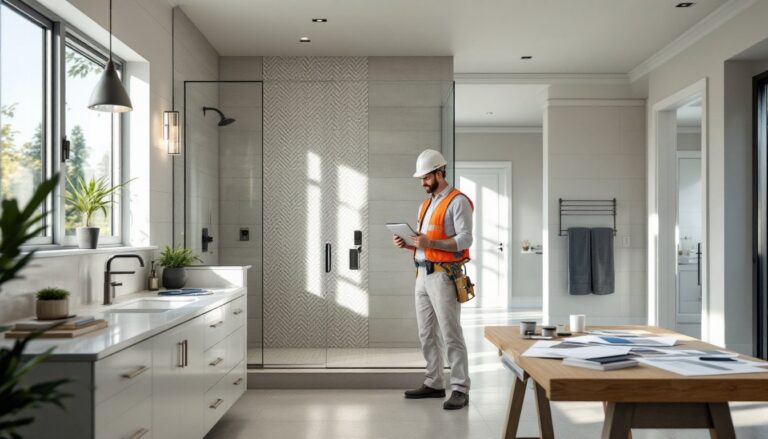
Start by defining scope. Are you refreshing finishes, new tile, vanity, fixtures, or gutting to the studs and relocating plumbing? A cosmetic update might take two weeks and $8,000–$15,000. A full gut job with layout changes? Plan on $20,000–$40,000+ and six to ten weeks, assuming no surprises behind the walls (there are always surprises).
Measure everything twice. Know your rough-in dimensions for the toilet (standard is 12 inches from the wall to the center of the flange), vanity width, and shower footprint. If you’re keeping the existing layout, renovation gets cheaper and faster. Moving a toilet or shower drain means opening floors, sistering joists, and potentially dealing with load-bearing walls, that’s when you call a structural engineer, not YouTube.
Decide on finishes early. Visit showrooms or suppliers in Nassau or Suffolk to see tile, vanities, and fixtures in person. Colors and textures look different under Long Island’s natural light than they do on a screen. Lock in selections before demo starts, or your contractor will be standing around waiting for that backordered faucet while the clock, and your budget, ticks up.
Setting a Realistic Budget and Timeline
Budgeting for a bathroom renovation on Long Island means accounting for regional labor rates, which run higher than national averages. Expect to pay $75–$125 per hour for licensed plumbers and electricians, and $50–$85 for tile setters and carpenters. Materials typically eat 30–40% of the budget: labor takes the rest.
Build in a 15–20% contingency. Once walls open up, contractors find rotted subfloors, outdated wiring that’s not up to code, or cast-iron waste stacks that need replacing. These aren’t upsells, they’re real issues that have to be fixed before closing walls back up.
Timelines depend on scope and contractor availability. A simple refresh (new vanity, toilet, tile, paint) might finish in two to three weeks. A full renovation, including demolition, rough plumbing and electrical, tile work, fixture installation, and painting, typically runs six to ten weeks. Permit approval adds time, and so does ordering custom or high-end materials. Plan bathroom projects for spring or fall when contractor schedules are more flexible and you’re not racing against frozen ground or summer vacations.
Choosing the Right Bathroom Renovation Contractor on Long Island
Start with referrals from neighbors who’ve done similar work, then verify credentials. In New York, contractors performing work over $500 need a Home Improvement Contractor (HIC) license issued by their county (Nassau or Suffolk). Ask for the license number and confirm it’s active. Also check that they carry general liability insurance and workers’ compensation, if someone gets hurt on your property and the contractor isn’t insured, you’re liable.
Get at least three written estimates. They should itemize labor, materials, permits, and disposal fees. If one bid comes in way lower than the others, that’s a red flag, either they’re cutting corners, underqualified, or planning to hit you with change orders later. Platforms like HomeAdvisor and Angi can help match you with local pros and provide cost benchmarks, but nothing replaces checking references and seeing completed work in person.
Ask about subcontractors. Most general contractors don’t do everything themselves, they hire licensed plumbers, electricians, and tile setters. Find out who those subs are, and confirm the GC manages the schedule and handles any issues. A good contractor will also pull permits, schedule inspections, and coordinate material deliveries so the job doesn’t stall.
Set a payment schedule tied to milestones: a deposit (typically 10–20%), payments at rough-in and installation stages, and final payment only after final inspection and walkthrough. Never pay the full amount upfront.
Popular Bathroom Design Trends for Long Island Homes
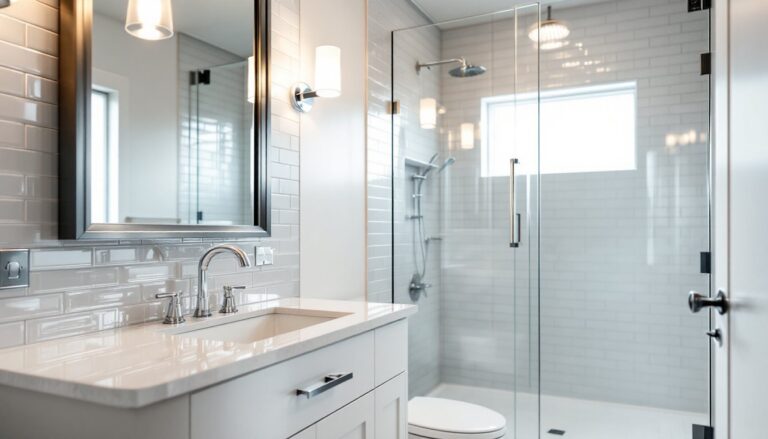
Walk-in showers are replacing tub-shower combos, especially in primary bathrooms. Homeowners want curbless or low-threshold entries, frameless glass enclosures, and large-format porcelain tile (12×24 or bigger) with minimal grout lines, easier to clean and more contemporary. Adding a linear drain instead of a center drain gives more flexibility in tile layout and slope.
Heated floors are no longer a luxury. Electric radiant mats (like those from Schluter or WarmlyYours) install directly under tile and cost $300–$800 for a typical bathroom, depending on square footage. They’re a game-changer on cold January mornings and add serious appeal to buyers if you sell.
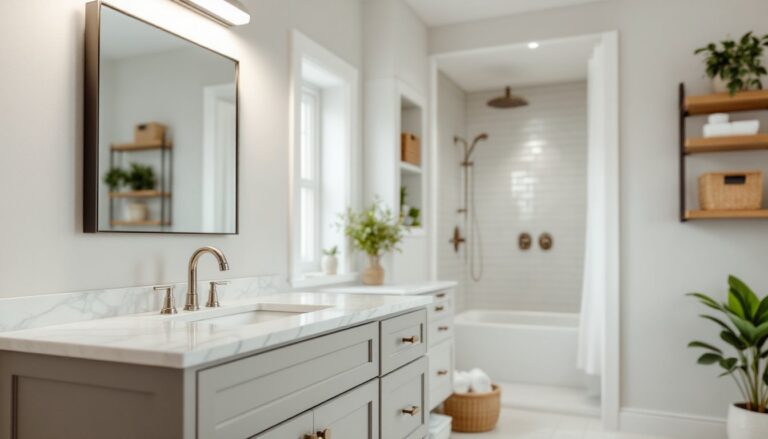
Vanity trends lean toward floating wall-mounted units or furniture-style pieces with legs, both of which make small bathrooms feel more open. Homeowners are also choosing quartz or solid-surface tops over cultured marble, they’re more durable, stain-resistant, and available in styles that mimic natural stone without the maintenance.
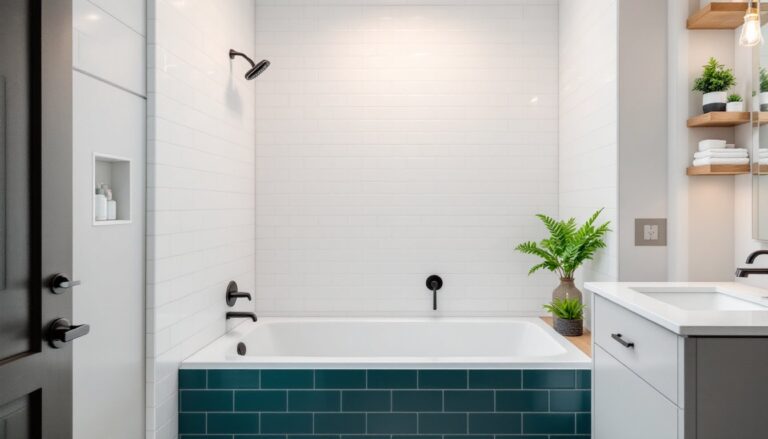
Matte black and brushed gold fixture finishes continue to dominate, paired with white subway tile, hexagon mosaics, or wood-look porcelain plank. Accent walls using textured tile or natural stone add visual interest without overwhelming the space. Keep in mind that trendy finishes can date quickly: if resale is a priority, stick with classic profiles in neutral tones.
Navigating Permits and Building Codes in Long Island
Any bathroom renovation that involves plumbing, electrical, or structural changes requires a building permit from your town or village. Cosmetic updates, swapping a vanity, painting, or replacing a toilet without moving the drain, usually don’t. When in doubt, call your local building department. Nassau and Suffolk counties have dozens of municipalities, and each has its own process and fees.
Permit applications typically require detailed plans showing existing and proposed layouts, fixture locations, and framing/electrical/plumbing details. Your contractor should handle this, but as the homeowner, you’re eventually responsible. Unpermitted work can come back to bite you at resale or during a home inspection.
Expect inspections at key stages: rough plumbing and electrical (before closing walls), and final (after everything’s installed). Inspectors verify work meets the 2020 Residential Code of New York State (RCNYS) and local amendments. Common code requirements include GFCI protection on all bathroom outlets, proper venting for exhaust fans (ducted to the exterior, not into the attic), and water-resistant drywall or cement board in wet areas.
If your home is in a historic district or has deed restrictions (common in some villages), additional approvals may be required. Budget extra time for these reviews. Projects like those detailed in bathroom remodeling strategies emphasize the importance of understanding local codes early to avoid costly rework.
Cost-Saving Tips for Your Bathroom Renovation
Keep the existing layout. Moving drains and supply lines is expensive, expect $1,500–$3,000+ in plumbing labor alone. If the current toilet, sink, and shower locations work, leave them.
Do your own demo. Ripping out old tile, vanity, and fixtures is messy but not complicated. Rent a dumpster, wear safety goggles and a dust mask, and save $1,000–$2,000 in labor. Just don’t touch plumbing or electrical unless you’re qualified, puncturing a supply line or cutting a live wire turns savings into a service call.
Choose mid-grade materials strategically. Splurge on items that affect longevity and function, quality faucets, a solid vanity, porcelain tile rated for wet areas. Save on decorative elements like mirror frames, lighting, and hardware, which are easy to upgrade later. Big-box stores (Home Depot, Lowe’s) stock good-quality tile, vanities, and fixtures at lower price points than specialty showrooms.
Shop for remnant stone or tile. Local stone yards and tile suppliers often have partial slabs or discontinued tile at deep discounts, perfect for a small bathroom where you don’t need a huge quantity. Incorporating practical renovation strategies can help identify where to invest and where to save.
Refinish instead of replace when possible. Reglazing a cast-iron tub costs $400–$600 versus $1,200+ to remove and replace it. Refacing cabinet doors or painting a vanity can extend its life for a fraction of replacement cost. And don’t underestimate the power of fresh grout and caulk, it’s a $50 upgrade that makes tile look new again.