Table of Contents
ToggleBathroom renovations on Oahu aren’t just about updating tile and fixtures, they’re about addressing the island’s unique climate, sourcing materials across the Pacific, and navigating permitting rules that differ from the mainland. Whether someone’s dealing with salt air corrosion, moisture issues from tropical humidity, or outdated plumbing in a 1960s plantation-style home, a well-planned bathroom remodel can add serious value and comfort. This guide covers what Oahu homeowners need to know about costs, permits, contractor selection, and design choices that stand up to island living.
Key Takeaways
- Bathroom renovations on Oahu cost 20–40% more than mainland averages, typically ranging from $18,000–$28,000 for mid-range projects due to shipping, limited inventory, and island labor rates.
- Most bathroom renovation work on Oahu requires building permits from the City and County of Honolulu’s Department of Planning and Permitting (DPP), with approval timelines of 4–8 weeks for plumbing, electrical, or structural changes.
- Choose moisture-resistant materials like porcelain tile, MR-MDF cabinetry, and 100% silicone caulk to combat Oahu’s high humidity, salt air, and mold-prone conditions.
- Verify contractors through Hawaii’s Regulated Industries Complaints Office (RICO), request three detailed written bids with itemized labor and materials, and visit completed projects to assess craftsmanship quality.
- Modern exhaust fans rated 50+ CFM, curbless showers with proper waterproofing, and low-flow fixtures reduce moisture issues, increase accessibility, and align with Honolulu’s water conservation goals.
Why Oahu Homeowners Are Prioritizing Bathroom Renovations
The real estate market on Oahu remains competitive, and bathrooms have become a focal point for both resale value and daily quality of life. Older homes, especially those built in the 1960s through 1980s, often feature small, single-sink vanities, low water pressure, and ventilation systems that can’t keep up with Hawaii’s humidity.
Many homeowners are upgrading to address mold and mildew issues that plague island bathrooms. Poor ventilation and constant moisture create ideal conditions for surface mold on grout, caulk, and ceiling paint. Modern exhaust fans (rated at 50+ CFM for typical bathrooms) and moisture-resistant materials solve problems that older homes were never equipped to handle.
Another driver: multigenerational living. Extended families sharing homes need bathrooms that function for varied ages and abilities. Walk-in showers with grab bars, curbless entries, and slip-resistant tile aren’t just aging-in-place features, they’re practical upgrades that increase a home’s usability and marketability.
Finally, water efficiency matters on an island. Low-flow toilets (using 1.28 gallons per flush or less), aerated faucets, and water-saving showerheads reduce utility bills and align with Honolulu’s conservation goals. These aren’t cosmetic tweaks, they’re infrastructure improvements that pay off monthly.
Understanding Bathroom Renovation Costs in Oahu
Bathroom remodels on Oahu typically run 20–40% higher than mainland averages due to shipping costs, limited local inventory, and labor rates that reflect the island’s cost of living. A mid-range bathroom renovation (new vanity, toilet, tile surround, fixtures) generally starts around $18,000–$28,000 for a standard 5×8-foot space. High-end remodels with custom tile work, frameless glass, and designer fixtures can easily exceed $50,000.
Material costs hit harder here. Tile, vanities, and specialty fixtures often ship from the mainland or Asia, adding freight charges and lead times. Ordering a freestanding tub or imported porcelain tile? Expect 4–8 weeks for delivery, sometimes longer if customs or port delays crop up. Homeowners who need quick project timelines should account for these delays upfront.
Labor rates for licensed contractors range from $75–$125 per hour, with plumbers and electricians often charging the higher end. Permitting and inspection fees add another $500–$1,500 depending on scope. For accurate estimates, platforms like HomeAdvisor offer cost calculators that factor in Honolulu-area pricing, though getting three local bids is still the gold standard.
Don’t forget the hidden costs: dumpster rental ($400–$600 for a week), disposal fees for old fixtures, and potential structural surprises like rotted subfloor or corroded galvanized pipe that’s common in pre-1980 homes. Budget an extra 10–15% contingency for the unexpected.
Navigating Oahu’s Unique Renovation Challenges
Building Permits and Local Regulations
Most bathroom renovations on Oahu require a building permit if the work involves plumbing, electrical, or structural changes. Cosmetic updates, swapping a vanity, painting, or replacing a toilet without moving the drain, typically don’t need permits. But rerouting plumbing, moving walls, or upgrading electrical panels does.
The City and County of Honolulu’s Department of Planning and Permitting (DPP) oversees the process. Expect 4–8 weeks for permit approval, sometimes longer if plans require revisions. Contractors familiar with local codes can expedite this, but homeowners pulling their own permits should review the 2021 International Residential Code (IRC) as adopted by Honolulu, along with amendments specific to Hawaii.
Inspections happen at multiple stages: rough-in (before walls close), final plumbing, and final electrical. Skipping permits is risky, unpermitted work can complicate resales, void insurance claims, and result in fines. If someone’s unsure whether their project needs a permit, calling DPP or checking their online portal clarifies requirements.
Climate-Conscious Material Selection
Oahu’s climate, high humidity, salt air, and occasional heavy rain, demands materials that resist moisture and corrosion. Porcelain tile outperforms ceramic in wet environments because of its lower water absorption rate (less than 0.5%). For flooring, avoid luxury vinyl plank (LVP) unless it’s specifically rated for high-moisture areas: some versions delaminate in tropical conditions.
Ventilation is non-negotiable. Install an exhaust fan vented to the exterior, not into the attic. Fans should run for 20 minutes after showers to expel moisture. Pair this with mold-resistant drywall (purple or green board) and 100% silicone caulk around tubs and showers, acrylic-latex blends don’t hold up.
For cabinetry, marine-grade plywood or solid wood with waterproof finishes withstand humidity better than particleboard. If using MDF (medium-density fiberboard), ensure it’s moisture-resistant (MR-MDF) and sealed on all edges. Coastal homeowners should choose stainless steel or brass hardware: standard zinc-plated screws and hinges corrode quickly in salt air.
Paint and primers matter too. Use mildew-resistant bathroom paint with antimicrobial additives. Benjamin Moore’s Aura Bath & Spa and Sherwin-Williams’ Duration Home are popular choices, offering better moisture resistance than standard interior paints. Proper prep, cleaning surfaces, priming bare drywall, and allowing adequate dry time, prevents early failure.
Choosing the Right Bathroom Renovation Contractor in Oahu
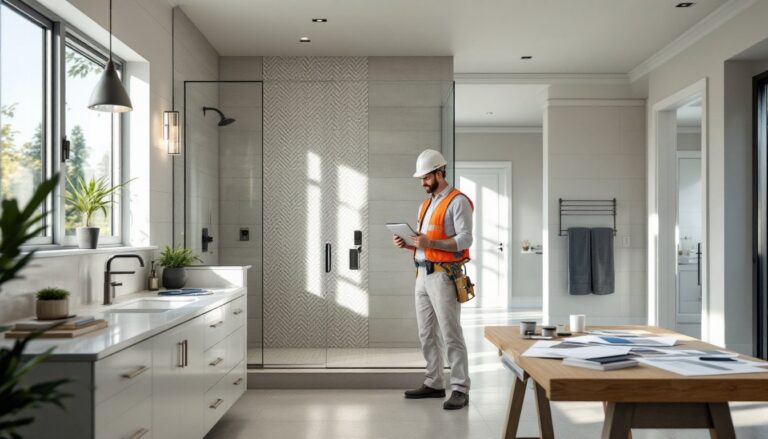
Finding a reliable contractor on Oahu requires more than a Google search. Start with Hawaii’s Regulated Industries Complaints Office (RICO) to verify a contractor’s license and check for complaints. Licensed contractors carry liability insurance and workers’ comp, protecting homeowners if someone gets injured on-site.
Ask for references and visit completed projects if possible. Photos are helpful, but seeing tile work, grout lines, and caulk joints in person reveals craftsmanship. A good contractor should explain their process: how they protect the rest of the home from dust, where materials get stored, and how they handle change orders.
Get three written bids that itemize labor, materials, permits, and disposal. Vague estimates (“$25,000 for full remodel”) make it hard to compare or identify where costs might creep. Detailed bids should list specific products, tile brand and size, fixture models, paint type, so homeowners know what they’re paying for.
Timelines matter too. A typical bathroom remodel takes 3–6 weeks from demo to final inspection, depending on complexity and material availability. Contractors juggling multiple jobs or waiting on back-ordered fixtures can stretch this. Establish a realistic schedule upfront and ask how delays get communicated.
For those researching local professionals, platforms like Houzz maintain directories of vetted contractors with reviews and portfolio photos. Cross-reference these with independent reviews and RICO records before signing anything. Following proven renovation strategies ensures smoother contractor collaboration.
Popular Design Trends for Oahu Bathrooms
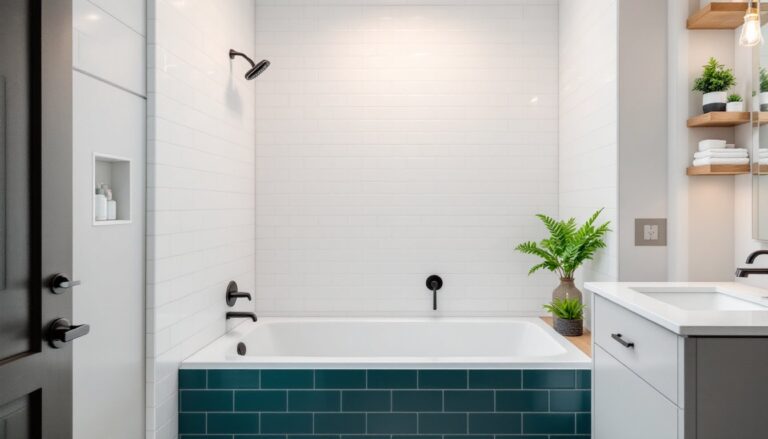
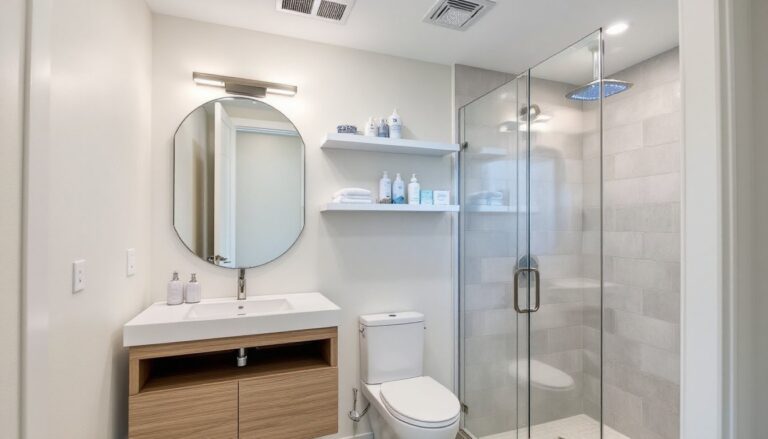
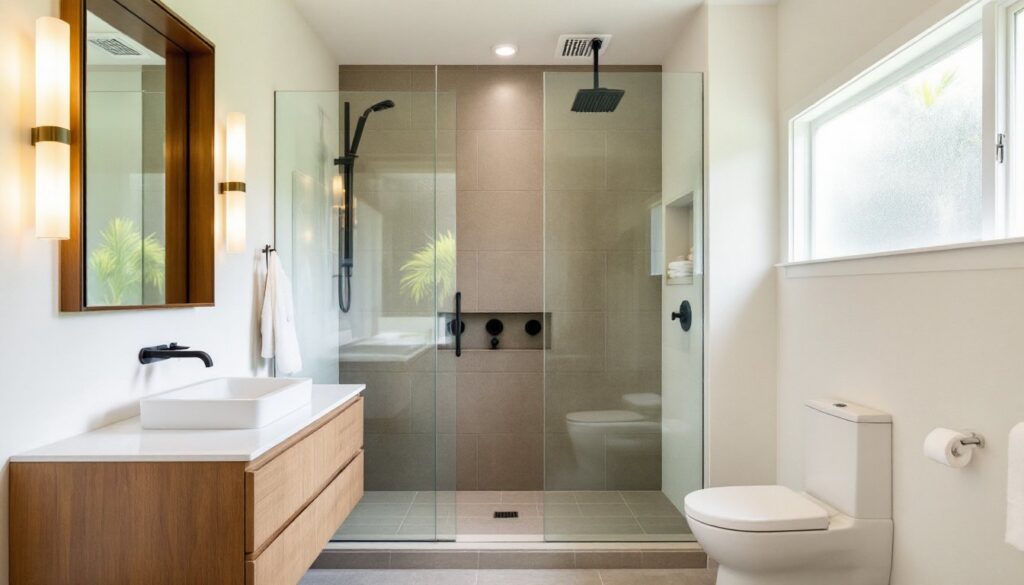
Oahu bathroom design increasingly blends indoor-outdoor aesthetics with practical, low-maintenance finishes. Large-format porcelain tiles (12×24 inches or larger) minimize grout lines, reducing mold potential and making cleaning easier. Neutral tones, soft grays, warm taupes, natural stone looks, remain popular, though some homeowners embrace bolder choices like deep navy or charcoal for accent walls.
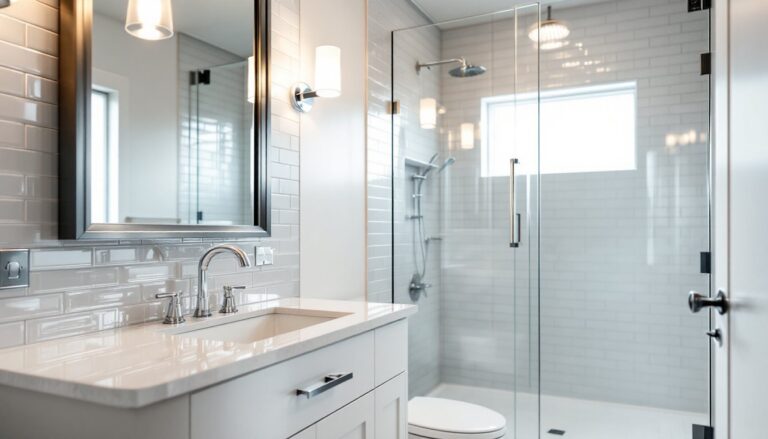
Curbless showers are gaining traction, especially in homes with aging residents or resale in mind. These walk-in designs require careful waterproofing and sloped floors (minimum 1/4 inch per foot) to prevent water from escaping. Pair with a linear drain along one wall for efficient drainage and a sleeker look than center drains.
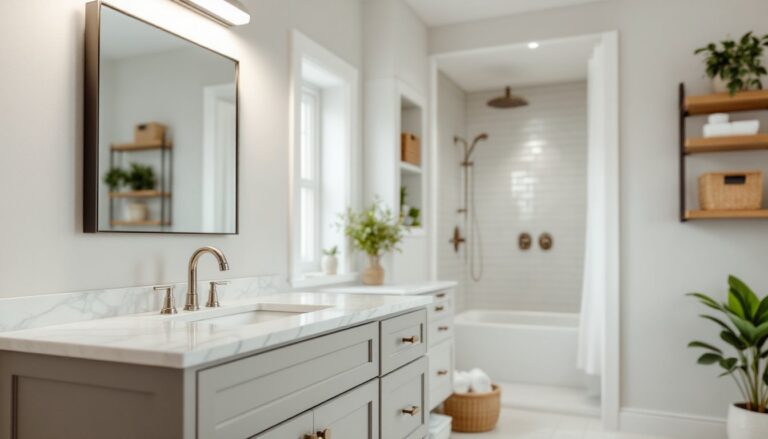
Floating vanities create a sense of space in smaller bathrooms and simplify floor cleaning. Choose vanities with soft-close hinges and drawers: slamming doors in humid conditions can warp cheaper units. Quartz countertops outperform granite and marble in moisture resistance, requiring no sealing and handling acidic products (like certain cleaners) without etching.
Natural light and ventilation are priorities. If privacy allows, enlarge windows or add frosted glass. Skylights work well in single-story homes, though they must be properly flashed to handle Oahu’s occasional heavy rain. For bathrooms without exterior walls, consider a solar tube, a reflective cylinder that channels daylight from the roof.
Fixtures lean toward matte black, brushed nickel, or champagne bronze finishes, which hide water spots better than polished chrome. Dual-flush toilets and thermostatic shower valves (which maintain consistent temperature even when other water sources turn on) add both efficiency and comfort. Homeowners applying top renovation tips often prioritize these functional upgrades alongside aesthetics.
Finally, storage solutions matter in island homes where space is premium. Recessed medicine cabinets, built-in niches in shower walls, and pull-out organizers under sinks maximize usability without cluttering countertops. For more detailed planning advice, resources like ImproveNet offer project checklists and design galleries tailored to various budgets.
Bathroom renovations on Oahu demand more than good taste, they require planning for climate, sourcing challenges, and regulations that protect both homeowners and the island’s infrastructure. Homeowners who invest time in material research, contractor vetting, and comprehensive renovation planning end up with bathrooms that handle humidity, add resale value, and improve daily living. Whether tackling a modest refresh or a full gut job, understanding these island-specific factors makes the difference between a smooth project and a costly headache.