Table of Contents
ToggleA bathroom remodel doesn’t have to start with a Pinterest board and a daydream. Whether you’re refreshing fixtures or completely reimagining the layout, the design choices you make now will shape daily life for years. In 2026, homeowners are balancing aesthetics with practicality, choosing finishes that hold up to moisture and humidity, fixtures that perform, and layouts that work harder than they look. This guide walks through 15 actionable bathroom remodel designs spanning modern minimalism, luxury touches, and functional style. You’ll find concrete ideas for materials, fixtures, and design approaches that work whether you’re tackling a small powder room or a master bath overhaul. The goal: a space that feels intentional, performs well, and won’t drain your budget (or sanity).
Key Takeaways
- Floating vanities and large-format tile are the foundation of modern bathroom remodel designs, offering visual clean lines and easier maintenance than traditional options.
- Practical fixture selection—including low-flow toilets (1.28 GPM), thermostatic valves, and proper waterproofing—prevents costly damage and ensures long-term performance in your remodel.
- Luxury doesn’t require a premium budget; honed marble accents, metallic finishes, and strategic grout color choices create high-end appeal without overspending on every surface.
- Spa-inspired bathrooms combine heated floors, dimmer-controlled LED lighting, and curbless showers to transform comfort and mood without luxury price tags.
- Your bathroom remodel design should echo your home’s architectural style—whether transitional, farmhouse, or industrial—using moisture-resistant materials that mimic timeless looks while solving durability concerns.
- Plan for a realistic 4–8 week timeline with contingency funds, and invest in proper ventilation (50–80 CFM exhaust fan) and waterproofing to avoid hidden mold and structural rot—the most expensive remodel mistake.
Modern and Contemporary Styles
Floating Cabinets and Clean Lines
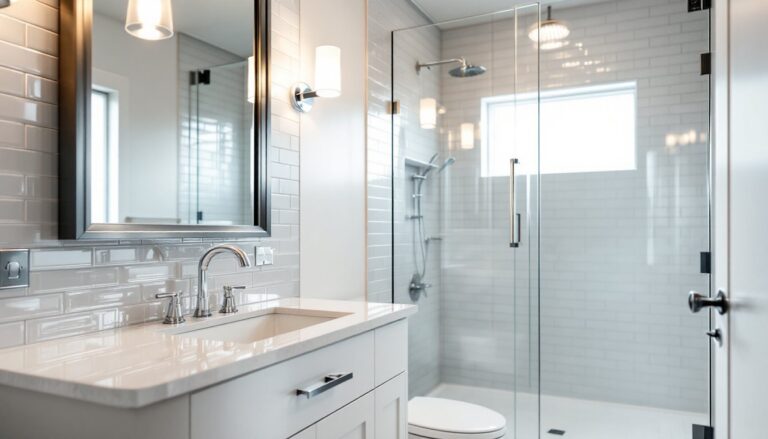
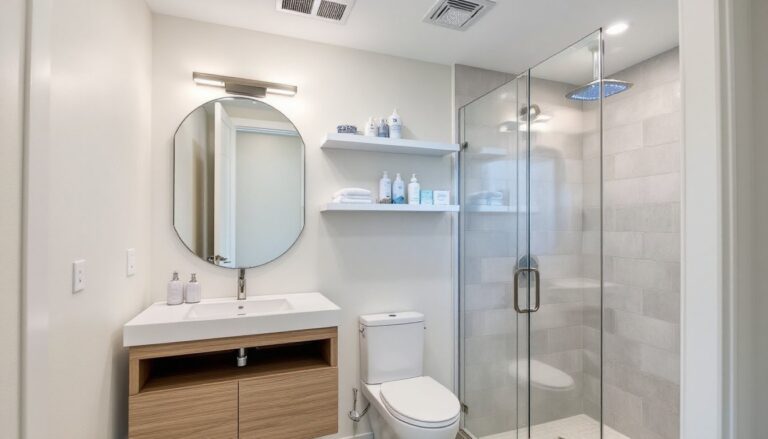
Floating vanities dominate contemporary bathroom design for a reason: they’re practical and they look sharp. A wall-mounted vanity cabinet opens floor space visually and makes cleaning easier, no trim work around the base, no water pooling underneath. Start with a 24- to 30-inch wide floating cabinet (standard widths) mounted on cleats secured to studs behind the drywall. Check your local code, but most jurisdictions require structural support every 16 inches horizontally and a minimum load rating of 50–75 pounds per linear foot.
Pair the floating cabinet with recessed medicine cabinets (set flush into the wall framing, typically 12–16 inches wide) to maintain that uncluttered look. Consider soft-close drawers and hinges so cabinets close quietly without slamming, a small detail that feels luxurious. Countertop materials like solid-surface or quartz (engineered stone with mirror-like durability) stand up to moisture and won’t need resealing like natural marble. Backsplash tile, subway, large-format rectangles, or mosaics, ties the look together without overwhelming.
Spa-Inspired and Minimalist Approaches
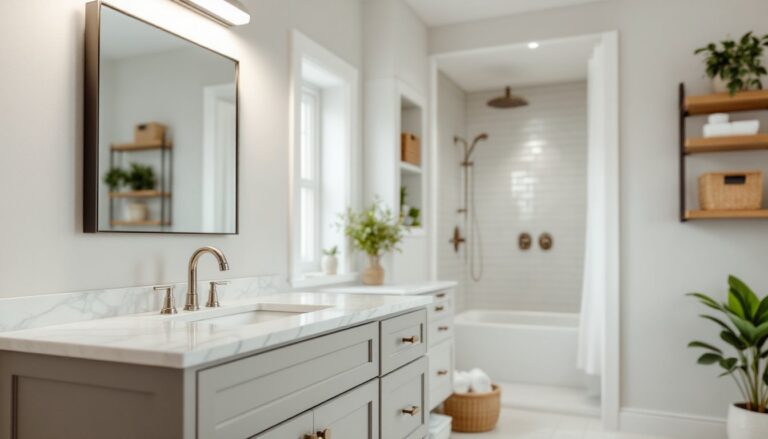
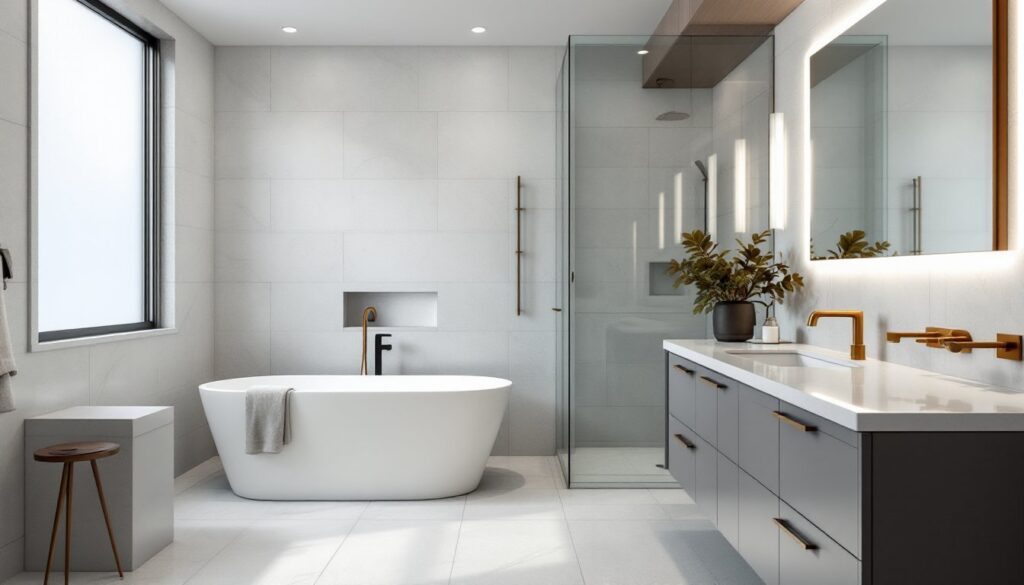
Minimalist bathrooms strip away visual clutter: think matte-finish fixtures, neutral palettes (whites, soft grays, warm blacks), and one accent color max. The key is discipline, fewer items on the counter, hidden storage, and a calm material story. A large-format porcelain tile on walls (12×24 inches or larger) minimizes grout lines and reads cleaner than smaller tiles. Pair it with a curbless shower (a floor that slopes toward a drain without a physical threshold) for an unbroken visual line.
Spa touches don’t require a luxury budget. Low-flow showerheads (2.0 GPM or less, often required by code) save water and energy while delivering consistent pressure through aerator tech. A heated towel rack or floor heating system ($500–$1,500 installed) transforms comfort. Lighting matters hugely: overhead recessed LED fixtures with dimmer controls let you shift mood from bright-for-grooming to soft-for-relaxation. Window treatments like frosted or textured glass (or simple roller shades) maintain privacy without sacrificing light.
Luxury Finishes and Statement Features
Premium Tile, Marble, and Materials
Luxury doesn’t always mean expensive. Honed marble or limestone (matte finish vs. polished) costs more upfront but conveys permanence and craftsmanship. A single accent wall in large-format marble tile (24×48 inches or slab cuts) becomes a focal point behind the vanity without the cost of marble-clad entire walls. Seal all natural stone per manufacturer specs before grouting, skip this and you’re inviting stains.
For a statement floor, herringbone or chevron patterns in porcelain tile (easier to maintain than natural stone) add visual interest without the complexity of complex mosaics. Budget varies wildly: basic ceramic tile runs $2–$8 per square foot, while premium porcelain or natural stone ranges $10–$40+ per square foot, before labor. A typical 5×8-foot bathroom floor needs about 40 square feet: do the math for your space and material choice.
Metallic accents, brushed gold, matte black, or polished chrome, tie finishes together. A statement freestanding soaking tub (cast iron or acrylic, 54–66 inches long) becomes sculpture when positioned thoughtfully and paired with a sculptural faucet. Waterproof shiplap or wood-look tile on one wall adds warmth without the rotting risk of real wood in humid environments. The detail that seals luxury: grout color. Dark grout on light tile (or vice versa) defines edges and feels intentional: matching grout to tile reads softer and more cohesive.
Functional and Stylish Fixtures
A bathroom remodel lives or dies on fixture choice. High-arc faucets (those with height for under-rim clearance) suit pedestal or vessel sinks: lower-arc models work for traditional vanities. Test water pressure: a flow rate of 1.5–2.2 GPM (set by federal code) should feel adequate: older homes may need an aerator upgrade.
Toilet selection matters more than most realize. Modern low-flow or dual-flush toilets (1.28 GPM or less) meet federal standards and reduce water bills. Comfort height (17–19 inches, vs. standard 15 inches) suits most adults and aging-in-place planning. Vitreous china resists staining and cleans easily: avoid ultra-glossy finishes that show water spots.
Shower systems deserve real thought. A basic setup includes a trim ring, valve body, and trim plate: upgrading to a thermostatic or pressure-balancing valve prevents scalding if someone flushes a toilet mid-shower, a safety feature, not a luxury. Body jets, rainfall heads, and hand sprays add cost and complexity: prioritize what you’ll actually use. Waterproofing behind the shower surround is non-negotiable: use a fully adhered waterproof membrane (sheet or liquid applied per manufacturer) over cement board before tiling. Improper waterproofing causes hidden mold and structural rot, the most expensive mistake in bathroom remodels.
Lighting and ventilation round out function. A exhaust fan rated 50–80 CFM (cubic feet per minute, based on room size) removes humidity and prevents mold: size it correctly and duct it outside (not into an attic). A mirror with integrated LED lighting ($150–$400) is pricey but eliminates shadows during grooming and looks contemporary.
Design Styles for Every Home
Bathroom design doesn’t exist in a vacuum. Your remodel should echo your home’s overall aesthetic, craftsman details for a 1920s bungalow, streamlined fixtures for a mid-century ranch, or rustic finishes for a farmhouse.
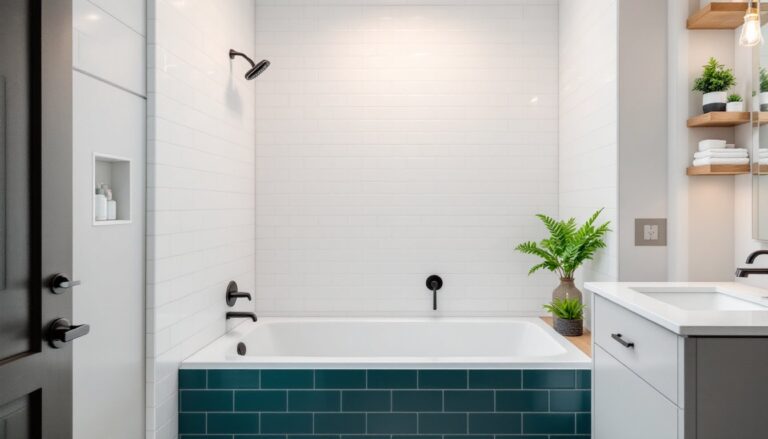
Transitional design (modern bones with traditional warmth) works across home styles. Pair clean-lined cabinetry with warm wood tones, brass or bronze hardware, and subway or classic tile patterns. You get contemporary function without cold minimalism.
Cottage or farmhouse bathrooms lean into shiplap walls, beadboard wainscoting, vintage-inspired fixtures, and soft color palettes. Use modern materials that mimic vintage looks (waterproof shiplap tile, porcelain that mimics marble veining) to avoid costly maintenance.
Industrial or loft-style bathrooms feature exposed pipe, polished concrete or tile floors, metal shelving, and matte black fixtures. Practical and striking, and easier to execute in spaces with visible studs or infrastructure.
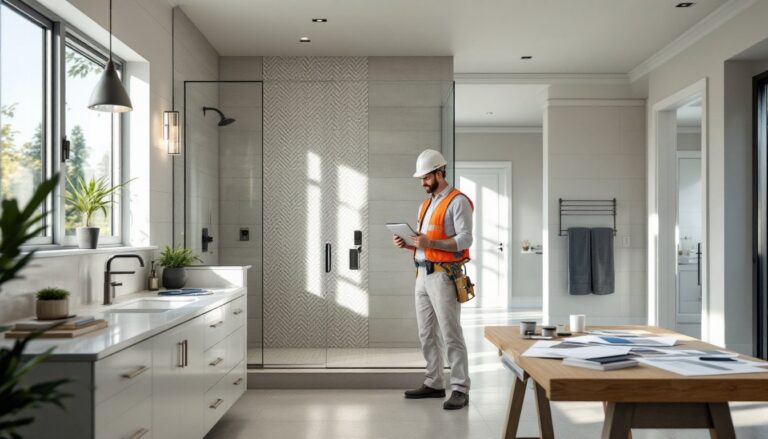
The design process starts with one anchor, a tile you love, a tub style, a color, and works outward. A bathroom renovation costs guide helps you prioritize spending. For ideas beyond DIY scope, structural changes, permit-heavy work, complex tile layouts, hiring a skilled bathroom contractor pays dividends. Sources like Houzz’s modern bathroom gallery and Remodelista’s design tips offer visual reference. Browse real photos, not renderings, to see how materials and layouts perform under actual bathroom conditions, humidity, steam, aging.
A solid remodel plan includes material selection, a realistic timeline (4–8 weeks for most projects), and contingency funds for the inevitable discoveries (hidden damage, code upgrades, supply delays). The payoff: a bathroom that fits how you live, holds up under daily use, and doesn’t feel dated in five years.