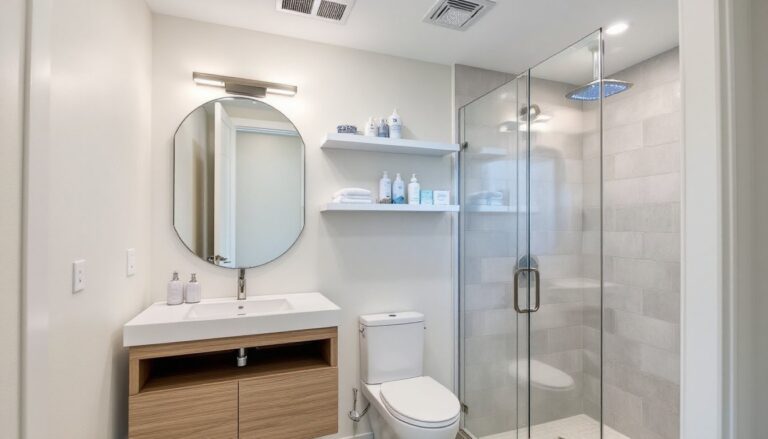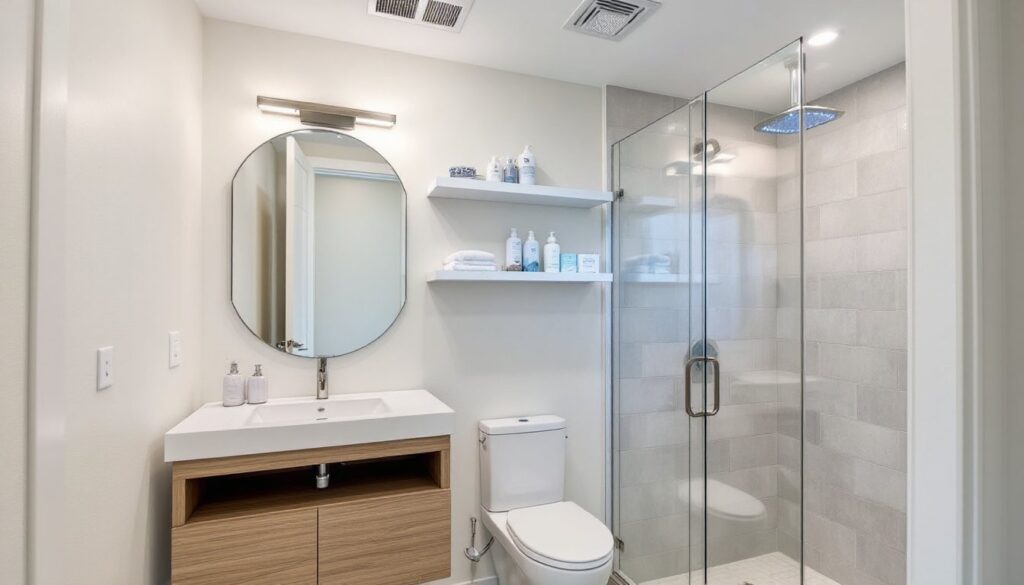
Table of Contents
ToggleSmall bathrooms don’t have to feel cramped or outdated. Whether you’re tackling a bathroom redo in a compact apartment or refreshing a powder room, a smart small bathroom reno focuses on layout, fixtures, and smart design choices that maximize every inch. Bathroom renovations for small bathrooms require different thinking than sprawling master baths, but the payoff is worth it. This guide walks you through planning, selecting fixtures, and executing a renovation that transforms your space without very costly or requiring months of construction chaos.
Key Takeaways
- A small bathroom reno prioritizes layout, fixture selection, and smart design over costly relocations—keeping plumbing in place saves thousands of dollars and construction time.
- Fixture swaps like corner sinks, wall-mounted toilets, and walk-in showers can create 20–30% more perceived space without moving plumbing or expanding walls.
- Layered lighting (overhead ambient, vanity task, and dimmers) combined with light-neutral paint colors and large-format tiles dramatically transforms how spacious a small bathroom feels.
- Smart storage solutions—recessed medicine cabinets, floating shelves, vertical organizers, and under-sink pull-outs—prevent clutter and make even a 5-by-7-foot bathroom feel functional and breathable.
- Budget-friendly small bathroom reno strategies include painting existing cabinets, swapping fixtures without plumbing work, and using peel-and-stick vinyl instead of tile, keeping costs between $3,000–$7,000 for cosmetic updates.
- Material acclimation (letting tile and flooring sit 48 hours before installation) and obtaining necessary permits protect your investment and prevent costly callbacks later.
Plan Your Layout and Maximize Space
Assess Your Current Bathroom and Set Priorities
Before you buy a single tile or fixture, spend time understanding what you’re working with. Measure your bathroom carefully, length, width, ceiling height, and the locations of existing plumbing and electrical. Note windows, doors, and how they swing. A small bathroom redo starts with honest assessment: what stays, what goes, and what’s actually worth moving?
Priority-setting matters more in tight spaces. You can’t do everything, so decide what bothers you most. Is it dated fixtures? Poor lighting? Lack of storage? Or simply an inefficient layout? Write these down. This list keeps you focused when you’re tempted to add nice-to-haves that eat into your budget and timeline.
Choose a Layout That Works for Your Footprint
Most small bathrooms follow three basic configurations: the galley layout (fixtures along two parallel walls), the corner layout (toilet and sink perpendicular, tub/shower opposite), or the linear layout (all fixtures in a line). None is inherently better, it depends on your room’s shape and entry.
The golden rule: keep the toilet, sink, and tub/shower roughly where they are unless moving plumbing is unavoidable. Plumbing relocations add thousands and require licensed plumbers and permits. Moving a toilet 2 feet sounds simple: it costs as much as a new toilet and then some.
Consider a corner sink or a compact pedestal model if your current setup wastes space. Wall-mounted sinks free up floor space visually, even if storage goes under them. If you have a tub and rarely use it, swapping it for a walk-in shower (with grab bars and a proper slope) opens the room dramatically. Bathroom remodels for small bathrooms often gain 20–30% perceived space just by fixture swaps, not relocations.
Select Fixtures and Features That Fit
Fixture selection is where small bathroom renovations shine. Everything you choose should earn its space.
Toilets and sinks: A standard comfort-height toilet (17–19 inches seat height, vs. 14–15 for old models) costs $150–$400 and makes a real difference in a small room, it feels less cramped and is easier to use. Wall-hung toilets free floor space but require solid framing behind the wall and rough-in adjustments. Corner sinks and pedestal options are classics for tight layouts: floating sinks (wall-mounted with open space below) are pricier but feel less bulky.
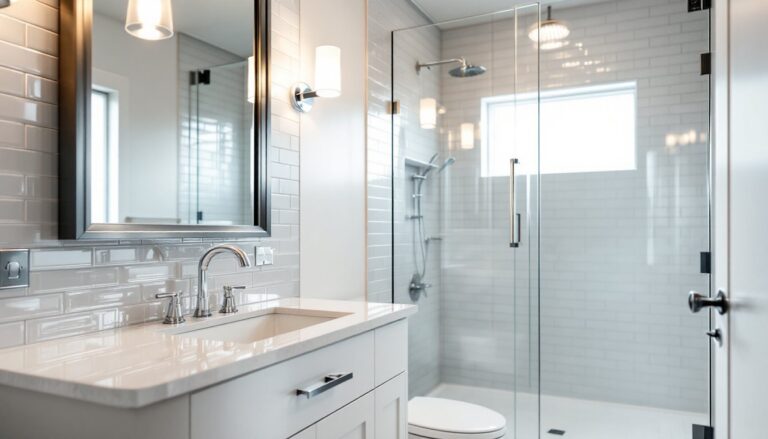
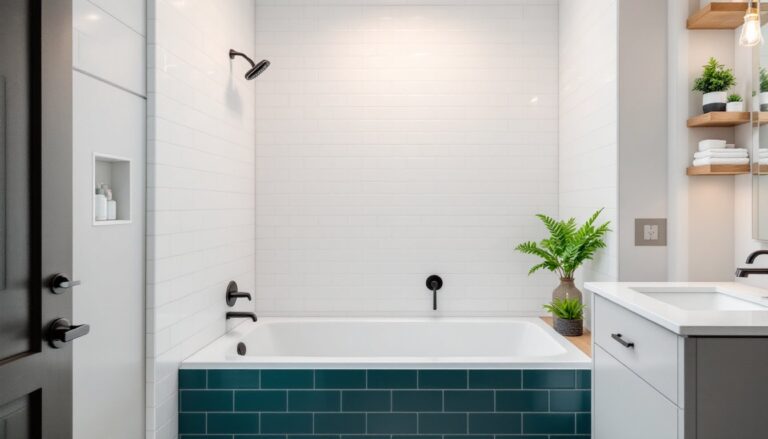
Showers vs. tubs: A walk-in shower with a pivot or sliding glass door (not a curtain rod) makes the space feel open and modern. Doorless or threshold-free “wet rooms” work if your bathroom is very small and drainage is above-slab. Tub-shower combos are compact but feel dated: if you need a tub, a Japanese soaking tub (48–60 inches long, 30 inches wide) is narrower than standard and luxurious.
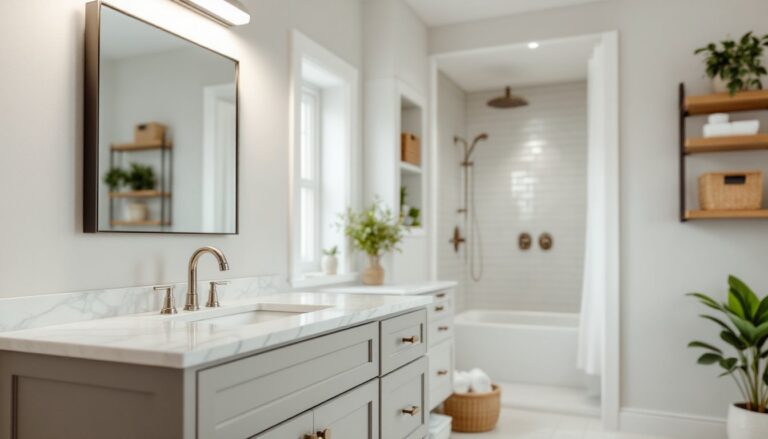
Vanity depth: Standard vanities are 21 inches deep: compact versions run 18 inches. In a 5-by-7-foot bathroom, that 3 inches changes walkability. Measure from the sink to your opposite wall before committing. A vanity with open shelving or a glass top reads lighter than a solid cabinet, and recessed medicine cabinets save 6 inches of wall protrusion.
Build in one luxury if budget allows, heated towel rack, underfloor heating, or a rainfall showerhead. These cost $200–$800 installed and define the renovation’s feel. Bathroom remodels for small bathrooms benefit from one statement element because there’s nowhere to hide: make it count.
Use Smart Storage and Organizational Solutions
Storage makes or breaks a small bathroom. Without it, the space feels chaotic: with it, even 5-by-7 feet can breathe.
Recessed medicine cabinets fit inside the wall cavity (between studs) and cost $80–$250 installed. They’re standard for a reason. Measure the stud spacing in your wall (typically 16 inches on center) to confirm fit.
Open shelving above the toilet or sink works if you’re neat. Floating shelves (brackets rated for 25–50 pounds) cost $40–$150 each installed and are easier than cabinets. Keep them anchored into studs or use heavy-duty toggles if anchoring into tile. Tall, narrow shelving units (20–24 inches wide) tuck into corners and hold supplies without dominating.
Under-sink storage: Recessed toe-kick drawers, pull-out organizers, and clear plastic bins maximize dead space. A pedestal sink limits this, so wall-mounted sinks let you add a slim vanity cabinet underneath.
Vertical storage: Ladder shelves, corner units, and wall-mounted baskets pull double duty, they’re functional and visually break up tile or paint. Hooks behind the door or on side walls handle towels without eating counter space.
Exhaust fan with light: A properly vented exhaust (ductwork to outside, not into the attic, building codes mandate this) prevents mold and keeps the space feeling fresher. Combo units with LED lighting add functionality to your renovation without a separate fixture.
Brighten the Space With Lighting and Color
Lighting transforms small bathrooms psychologically and functionally. A dim or poorly lit small bathroom feels like a closet: bright and layered, it feels intentional.
Overhead lighting: Recessed ceiling lights (4-inch fixtures, 3000K color temperature for warm white) are standard. Space them 4–6 feet apart: in a 5-by-7-foot bathroom, two fixtures are usually enough. Avoid a single center light, it creates shadows under your chin at the sink.
Vanity lighting: Sconces or a linear fixture flanking or above the mirror are non-negotiable. Wall sconces rated for damp locations (IP44 minimum) cost $50–$200 per fixture. Position them 36–40 inches above the counter, symmetrical if the mirror is centered. This kills shadows on your face and elevates the whole look.
Task vs. ambient: Layer your lighting, overhead for ambient, vanity for task, and a dimmable switch lets you adjust mood. A dimmer costs $15–$40 and makes a small room feel larger at night.
Color and paint: Light, neutral tones (soft whites, pale grays, warm beiges) expand the perceived space. An accent wall (darker paint, wallpaper, or tile) adds personality without overwhelming. Matte or eggshell finishes hide imperfections better than glossy. In bathrooms, semi-gloss or satin on trim and doors resists moisture better than flat paint.
Tile and materials: Large-format tiles (12-by-24 inches or larger) feel more spacious than small mosaics because there are fewer grout lines. Continuing the same tile floor-to-wall (in the shower or tub area) visually erases boundaries. Light grout (matching the tile) disappears: dark grout emphasizes the grid.
Tackle Your Reno on a Budget
A small bathroom reno doesn’t have to cost $15,000. Smart prioritization and sweat equity make a huge difference.
Budget-friendly decisions:
- Paint and new hardware on existing cabinets instead of replacing them ($200–$500 vs. $2,000+).
- Refinish or reglaze existing tile instead of removing and replacing (if it’s structurally sound).
- Swap fixtures without moving plumbing ($2,000–$4,000 vs. $5,000+).
- Use peel-and-stick vinyl planks on walls instead of tile in low-splash zones ($1–$3 per sq. ft. vs. $8–$15 for tile).
- DIY demo and prep: hire licensed trades only for plumbing, electrical, and gas (if applicable).
Real costs to factor in:
Bathroom renovation costs depend on finish level and your region. A cosmetic small bathroom redo (paint, fixtures, hardware, new lighting) runs $3,000–$7,000. A mid-range remodel (new vanity, tile, lighting, minor plumbing work) runs $8,000–$15,000. High-end finishes, major layout changes, or structural work push past $20,000. Bathroom renovation cost guides help you understand what others spend in your area.
Permitting: Check local codes. In many jurisdictions, replacing fixtures and surfaces doesn’t require a permit: moving plumbing, electrical work, and structural changes do. Permits cost $50–$300 and add 1–2 weeks, but they protect your investment and home’s resale value. When you hire a contractor for bathroom renovation, they handle permitting.
Material acclimation: Let tile, wood, and flooring sit in your bathroom for 48 hours before installation. This lets them adjust to humidity and temperature, preventing expansion issues later. It’s free and prevents costly callbacks.
Inspiration without paralysis: Browse bathroom renovation before and after photos to see what works in small spaces, but don’t get stuck in decision loops. Set a timeline, 60 days from layout decision to contractor hiring is reasonable, and commit. Small bathroom remodels move fast once you decide.