Table of Contents
ToggleBathroom remodeling is one of the highest-return home improvement projects, but only if you know what you’re actually spending. Whether you’re eyeing new tile, updated fixtures, or a complete redesign, the bathroom remodel price varies wildly depending on scope, location, and material choices. Homeowners asking about bathroom renovation price and bathroom redesign cost often expect a simple number, but smart budgeting requires understanding where dollars go. This guide breaks down realistic costs for every project size, the key factors that drive your total, and proven strategies to stretch your budget without settling for cheap finishes.
Key Takeaways
- Bathroom remodel price ranges from $3,000–$7,000 for budget updates, $7,000–$15,000 for mid-range redesigns, and $15,000+ for luxury overhauls, depending on scope and materials.
- Keeping existing plumbing and electrical systems in place can save $3,000–$8,000, making it the single most impactful cost-reduction decision.
- Material grade and finishes account for 30–40% of your total bathroom renovation price, so choosing reliable mid-tier brands delivers better value than premium names alone.
- Labor costs vary significantly by geographic location, with major cities commanding 20–30% higher rates than rural areas; always obtain 3–4 licensed contractor quotes.
- Never skip permits to save money—unpermitted work creates liability, complicates resale, and voids insurance coverage, making it a false economy.
- Strategic DIY work (demolition, painting) and phasing the project can reduce costs by 15–30% without compromising quality or violating building codes.
Average Bathroom Remodel Costs By Project Scope
Bathroom renovation cost depends heavily on how much you’re actually changing. The bathroom remodel price isn’t one-size-fits-all: it scales dramatically with the project scope. Think of it as three distinct tiers: budget-conscious updates, comprehensive mid-range redesigns, and luxury overhauls.
Budget Remodels: The $3,000–$7,000 Range
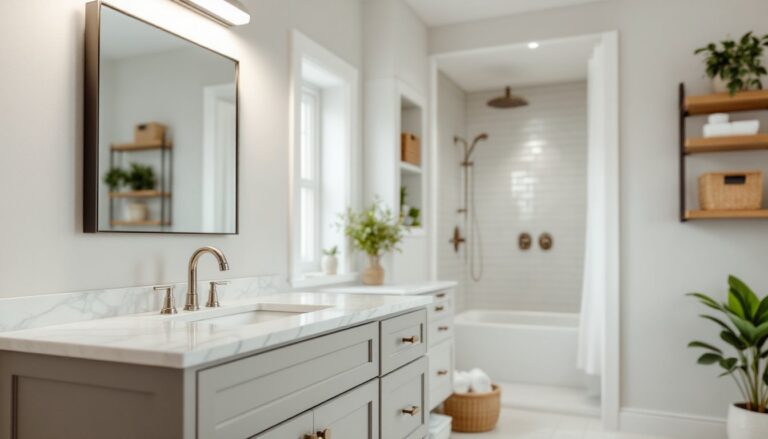
A budget remodel keeps existing plumbing and electrical intact while refreshing surfaces. You’re replacing fixtures, repainting, installing new flooring, and updating the vanity, but not moving pipes or reconfiguring the layout. This tier typically covers:
- Vanity and sink replacement
- New faucet and hardware
- Paint and basic tile updates
- Lighting fixture swap
- No structural changes or permit work
These projects work best in small bathrooms (under 50 square feet). The bathroom renovation price stays manageable because labor is lighter and material costs are kept realistic. Expect to pay roughly $60–$100 per square foot in this range. According to HomeAdvisor data on bathroom remodel costs, budget projects deliver solid ROI without major disruption.
Mid-Range Remodels: $7,000–$15,000
Mid-range work involves selective plumbing/electrical updates, new flooring across the entire space, and a meaningful aesthetic lift. You might reconfigure the shower or tub position, upgrade to contemporary fixtures, install tile work or stone accents, and add proper ventilation. This covers:
- Complete flooring replacement
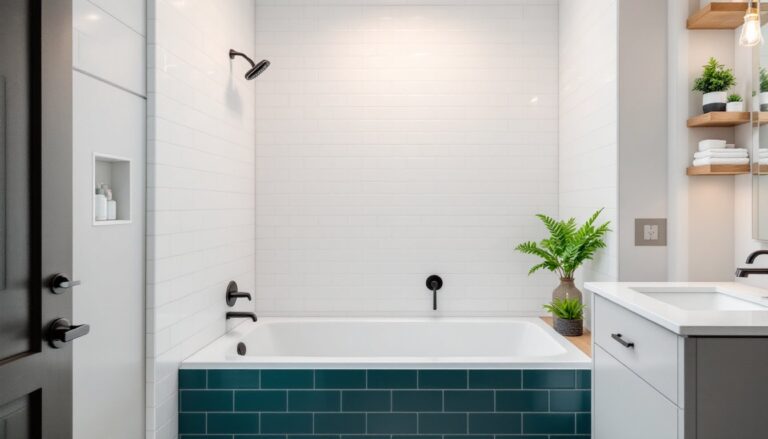
- New shower enclosure or tub surround with tile
- Vanity, sink, and faucet upgrades
- Electrical work (new outlets, lighting circuits)
- Some plumbing modifications
- Permits and inspections
Bathroom redesign cost at this tier typically runs $100–$200 per square foot. Larger bathrooms (75–100 sq. ft.) fit here comfortably. Most homeowners see this as the “sweet spot”, you’re getting real design impact without the complexity of a full gut-job. Angi’s bathroom remodel cost breakdown confirms mid-range projects dominate the market.
Luxury Remodels: $15,000 And Beyond
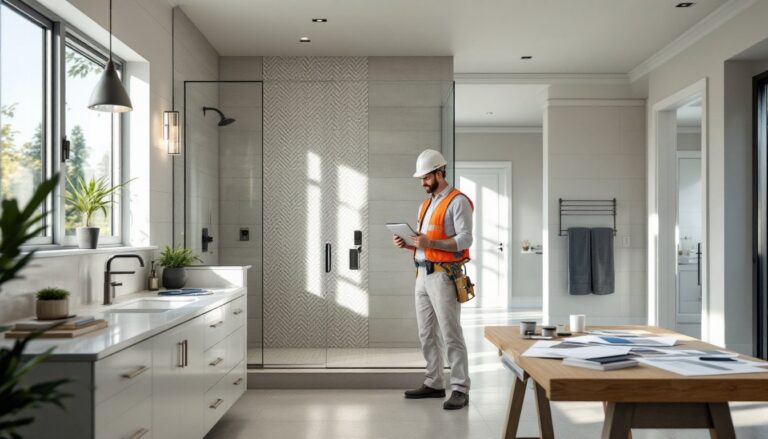
Luxury remodels mean high-end finishes, custom layouts, and structural changes. You’re relocating plumbing, potentially enlarging the space, installing heated floors, adding steam showers, custom cabinetry, and premium materials throughout. The cost of renovate bathroom at this level can easily exceed $200–$300+ per square foot. These projects almost always require multiple permits, licensed plumbers, electricians, and often a designer or architect. Work includes:
- Full plumbing and electrical relocation
- Structural modifications or expansion
- Custom vanities and high-end cabinetry
- Natural stone, marble, or specialty tile
- Heated floors and towel racks
- Spa-like fixtures and smart features
- Professional design consultation
Luxury jobs typically take 3–4 months and demand ongoing coordination. Quality control and custom sourcing account for much of the higher cost.
Key Cost Factors That Drive Your Budget
Bathroom renovation price isn’t determined by a single variable, it’s the intersection of several factors working together. Understanding these drivers helps you make trade-offs without guessing.
Bathroom Size and Layout
Square footage is the baseline. A 40-square-foot powder room costs far less to remodel than a 120-square-foot master bath. But layout matters as much as size. A simple rectangular bathroom with existing plumbing on one wall costs less to rework than an oddly-shaped space where you need to move pipes. If you’re relocating a toilet or shower, you’re looking at trenching new lines, rerouting vents, and potentially dealing with foundation work, costs skyrocket.
Material Grade and Finishes
You can install basic builder-grade ceramic tile or premium porcelain with intricate patterns. You can use a $300 vanity or a $2,500 custom piece. Faucets range from $80 hardware-store basics to $800+ designer fixtures. Paint is $30 per gallon or $100+ specialty finishes. These material choices easily account for 30–40% of your total bathroom remodel price. Don’t assume “luxury” means better durability, sometimes mid-tier materials (like polished porcelain over marble) actually perform better in wet environments.
Structural and Plumbing Complexity
If your plumbing needs updating, corroded pipes, outdated rough-in, or moving fixtures, costs climb fast. A licensed plumber charges $100–$200 per hour in most markets, and moving a toilet or shower typically means 20–40 hours of work plus materials. Similarly, if joists are rotted, if you need to add structural support for a new vanity or tub, or if building codes require upgrades (seismic bracing, ventilation improvements), expect significant line-item additions. These aren’t optional, they’re safety and code requirements.
Labor and Geographic Location
Labor costs vary enormously by region. A bathroom remodel in rural areas might run 20–30% less than in major metros. Cities like San Francisco and Boston command premium rates: contractors in secondary markets charge less. Union labor costs more but typically guarantees quality and warranty backing. Independent contractors or smaller shops may offer competitive pricing but require vetting. Always get 3–4 quotes from licensed, insured professionals in your area, this alone prevents budget surprises.
Permits and Inspections
Small cosmetic updates might not need permits, but any electrical, plumbing, or structural work does. Permit costs vary: some jurisdictions charge $100–$300 flat fees, others calculate based on project value (1–2% of budget). Don’t skip permits to save money, unpermitted work creates liability, complicates future sales, and voids insurance coverage. Include permit costs upfront in your bathroom renovation costs planning.
Cost-Saving Strategies Without Sacrificing Quality
Smart budgeting doesn’t mean cheap finishes, it means prioritizing impact and avoiding waste.
Keep Plumbing and Electrical in Place
This single decision can save $3,000–$8,000. If your existing plumbing and electrical are code-compliant and well-positioned, don’t move them. Update fixtures, refresh surfaces, improve lighting, but avoid relocating the toilet or shifting the shower. A complete bathroom renovation guide confirms that projects staying within existing utility zones cost significantly less.
Invest in High-Impact, Lower-Cost Upgrades
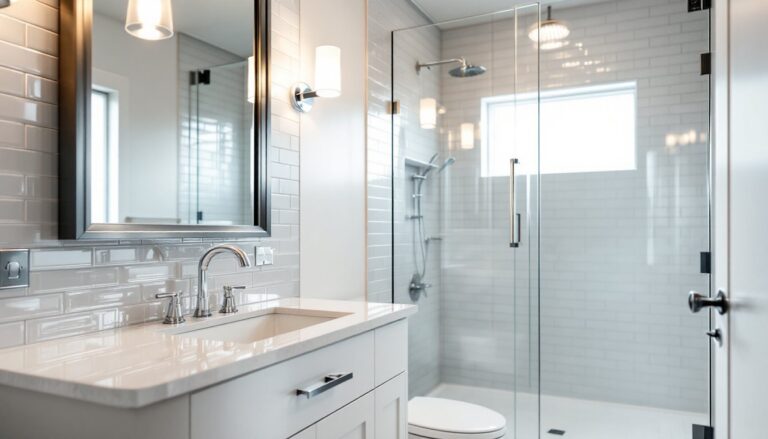
New vanities, faucets, lighting, and mirrors transform appearance for modest cost. A $400 vanity replacement or a $150 lighting fixture upgrade pays visual dividends far beyond the dollar amount. Conversely, don’t overspend on trendy finishes, neutral, durable materials (white subway tile, light gray grout, chrome or brushed nickel hardware) remain timeless and command better resale value.
Source Materials Yourself
If you’re comfortable ordering online, you can save 15–25% on fixtures and finishes by purchasing directly rather than letting contractors mark them up. But, confirm return policies and compatibility before buying. Some contractors charge installation-only fees if you supply materials, which actually saves money overall.
DIY Select Tasks
Simple tasks like demolition, painting, or basic tile removal can be DIY’d, saving 20–30% of labor. But, don’t DIY plumbing, electrical, or structural work, code violations and safety risks aren’t worth the savings. Demolition is filthy and physically demanding but straightforward: painting requires skill (prep work is critical, or finishes look sloppy). Know your limits and hire professionals for licensed trades.
Choose Reliable Mid-Tier Brands
You don’t need luxury brands to get quality. Mid-tier plumbing fixtures (Moen, Kohler, Delta) offer excellent reliability. Durable tile brands like Daltile or American Olean cost less than European imports but perform equally well. Research reviews and warranty coverage rather than assuming price equals quality. A bathroom renovation in areas like Nashville or Calgary confirms that smart material selection drives better overall value than premium brands alone.
Plan Phasing
If budget is tight, phase the project. Start with cosmetic updates (paint, fixtures, flooring) now, then add structural work or expansions later. This spreads cost and lets you adjust as needs change. Just ensure phase one doesn’t complicate phase two, coordinate with contractors on sequencing.
Conclusion
The bathroom remodel price depends on scope, location, materials, and labor, there’s no universal number. Budget-conscious projects run $3,000–$7,000: mid-range work typically costs $7,000–$15,000: luxury remodels exceed $15,000. The real skill is aligning your budget with priorities: do you need structural changes, or just a refresh? Are you optimizing for resale or personal enjoyment? Once you clarify scope and gather local contractor quotes, costs become predictable. Avoid the temptation to cut corners on permits, labor quality, or plumbing work, these create expensive problems later. For comprehensive planning specific to your region, explore resources like ImproveNet or consult local professionals. Start with a realistic budget, get multiple quotes, and build in a 10–15% contingency. Smart planning delivers a bathroom that functions beautifully and holds value for years.