Table of Contents
ToggleA bathroom remodel is one of the highest-ROI home improvements you can tackle, studies show bathrooms return 50–70% of their renovation cost at resale. But getting that return means moving beyond Pinterest pins to a thoughtful bathroom remodel design that balances function, durability, and aesthetics. Whether you’re updating a 1970s relic, planning bathroom redo ideas for a cramped powder room, or exploring bathroom reno ideas for a full luxury overhaul, smart planning now saves headaches (and money) later. This guide walks you through layout decisions, popular design styles, material selection, and budget-friendly updates so you can tackle your bathroom remodel with confidence.
Key Takeaways
- Bathroom remodel design returns 50–70% of renovation costs at resale, making it one of the highest-ROI home improvements available.
- Budget varies dramatically by scope: cosmetic updates cost $2,000–$4,000, mid-range remodels run $8,000–$15,000, and full renovations climb to $20,000–$50,000+, so plan with 15–20% contingency for hidden issues.
- Modern minimalist and spa-like bathroom design styles maximize space perception and functionality while durable materials like porcelain tile, quality fixtures, and neutral color palettes ensure your remodel stays timeless and moisture-resistant.
- Proper ventilation (sizing exhaust fans at 1 CFM per cubic foot plus 50% extra) and strategic storage solutions prevent mold, protect finishes, and prevent common remodel failures.
- DIY-friendly updates like painting, hardware replacement, and vanity swaps can save thousands, but professional help for plumbing, electrical, and structural work plus permits ($200–$500) protects code compliance and resale value.
Planning Your Bathroom Remodel: Layout and Budget Essentials
Before you pick tile or fixtures, nail down the layout and realistic budget. A bathroom remodel design starts with the bones: where does the toilet go, how much clearance do you need in front of the vanity, can the plumbing and electrical stay put?
Most residential bathrooms follow code minimums: 21 inches of clearance in front of a toilet, 30 inches minimum from the tub edge to an opposite wall, and at least one accessible outlet near the sink. If you’re moving plumbing, toilet, shower, or sink, costs jump significantly because you’re not just buying fixtures, you’re paying for rough-in work: new supply lines, drain venting, and potentially structural work if walls need opening. A pedestal or wall-mounted sink saves floor space in a small bathroom: a vanity with storage does the opposite but adds storage, pick based on your actual needs, not trend.
Budget planning depends on scope. A cosmetic bathroom redo, new paint, hardware, mirror, and fixtures you can install yourself, might cost $2,000–$4,000. Mid-range remodels (new vanity, tile surround, updated lighting, flooring) typically run $8,000–$15,000. Full gutters with new plumbing, electrical, and structural work climb to $20,000–$50,000+ depending on size and finishes. Understanding your bathroom renovation costs upfront helps you set realistic expectations and avoid scope creep. Always add 15–20% contingency for unexpected issues, hidden mold, rotted studs, or code upgrades discovered during demolition aren’t rare.
Popular Bathroom Design Styles and Trends
Modern Minimalist and Contemporary Approaches
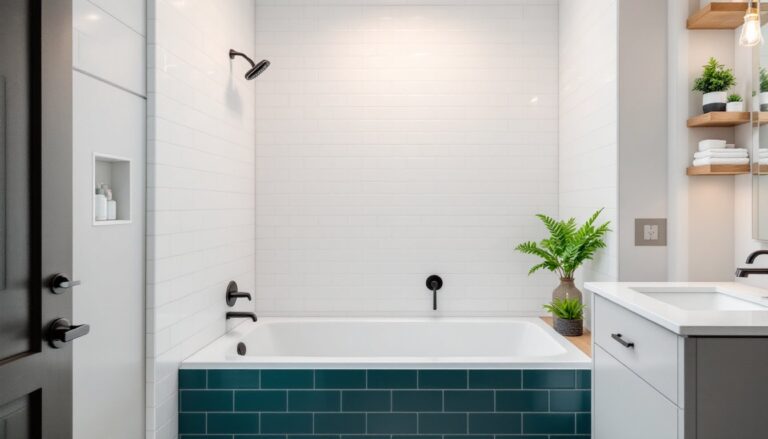
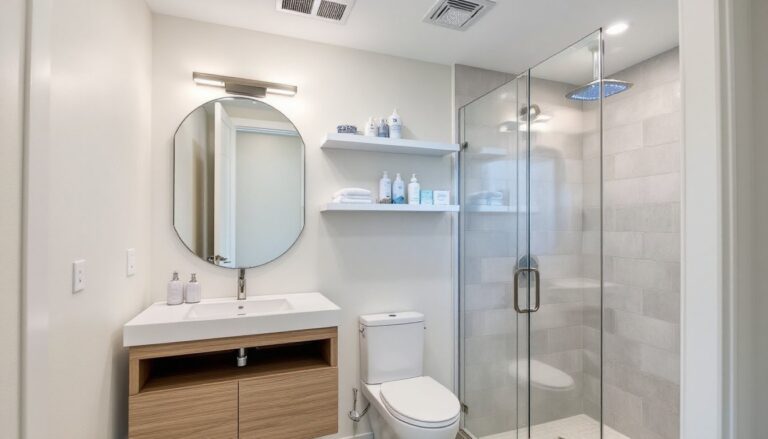
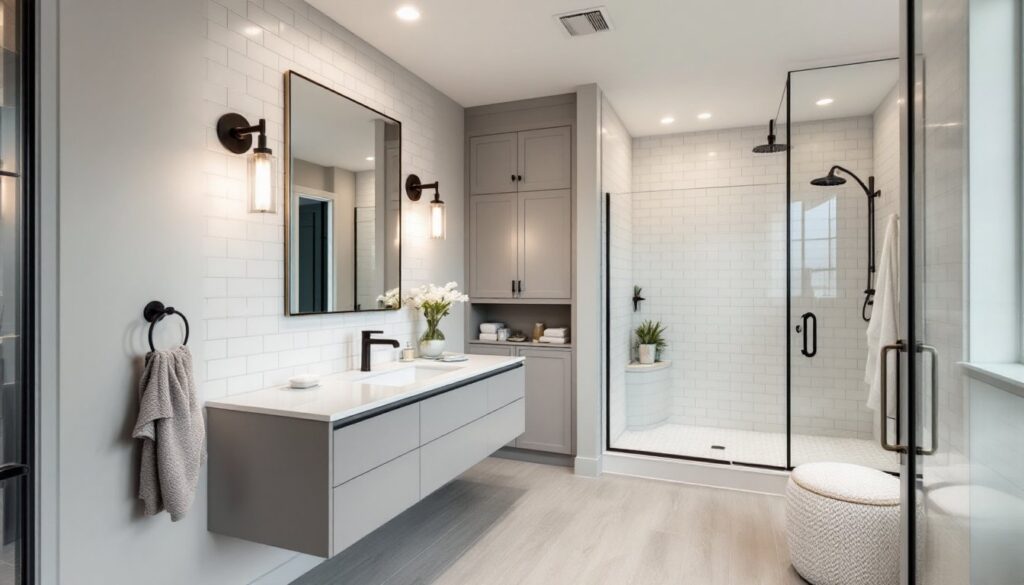
Modern bathroom remodel design strips away clutter in favor of clean lines, neutral palettes, and purposeful materials. Think concrete, light wood, or matte black fixtures against white subway tile or soft gray walls. Storage stays hidden, recessed medicine cabinets, integrated shelving in the shower niche, and wall-mounted vanities keep sightlines unbroken. Minimalist bathrooms feel larger and easier to clean, two practical wins alongside the aesthetic appeal.
Contemporary design borrows from minimalism but allows more personality: perhaps a bold accent wall, mixed metals (matte black faucet with brushed gold towel bar), or a statement tile. Both styles work well in small bathrooms because they avoid visual noise. Ventilation and humidity control matter more in these designs since exposed pipes or fans don’t hide: choose quiet, efficient exhaust fans and consider a decorative trim or recessed installation.
Spa-Like and Luxury Aesthetics
Spa bathrooms prioritize comfort and sensory experience: heated floors, rainfall showerheads, soaking tubs, soft lighting, and natural materials like stone or teak. These designs cost more upfront but create a retreat mindset. A heated tile floor runs $1,500–$3,000 for typical bathroom sizes (installed). A soaking tub adds $2,000–$5,000 depending on material (acrylic, stone, or freestanding cast iron). Warm white or dimmable LED lighting (2700K color temperature) mimics candlelight and is easier on the eyes than harsh overhead lights.
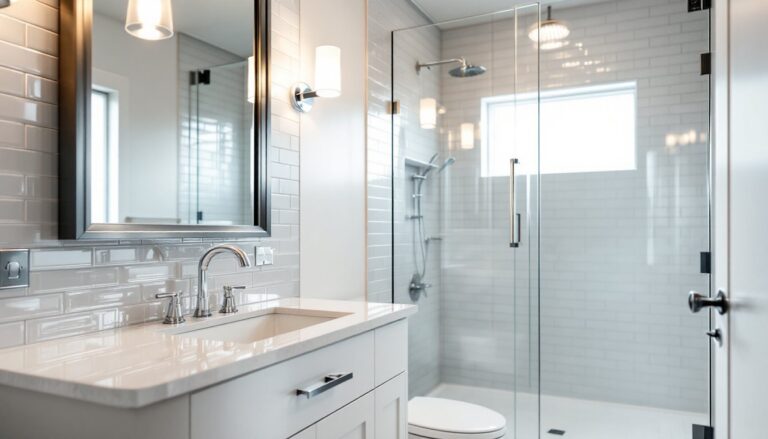
Luxury doesn’t require marble and brass. Warm gray tile, a simple white subway surround, good ventilation, and quality fixtures (solid brass or brushed nickel) deliver spa vibes at a mid-range budget. The magic is in the details: a built-in bench in the shower, a curved niche for products, heated towel bars, and thoughtful ventilation so the space stays dry and mold-free. Remodelista showcases curated bathroom design inspiration that leans heavily on these accessible luxury ideas.
Fixtures, Materials, and Color Selection
Your fixture choices set the tone for the entire bathroom remodel design. Faucets come in finishes (chrome, brushed nickel, matte black, oil-rubbed bronze, champagne bronze) and styles (single-hole, widespread, wall-mounted). Pick finishes that match your overall design, chrome suits contemporary, oil-rubbed bronze fits traditional, matte black works in modern minimalist. Avoid trendy finishes that date quickly: stick with classics that stay neutral.
Materials matter for durability. For flooring, porcelain tile outlasts ceramic and resists moisture better than natural stone (which needs sealing). Luxury vinyl plank (LVP) mimics wood with better waterproofing and costs less, but it’s softer underfoot and less durable long-term than tile. Tile surround, subway, penny round, hexagonal, is the safest bet in bathrooms because it handles moisture, looks timeless, and repairs easily if one tile cracks.
Cabinet materials vary: solid wood (maple, birch, oak) costs more but feels premium: plywood with veneer balances durability and cost: and MDF (medium-density fiberboard) is budget-friendly but can swell if exposed to humidity. Vanity depth typically runs 21 inches (standard) or 18 inches (smaller bathrooms). Cabinet door quality matters, soft-close hinges cost extra but prevent slamming and wear.
Color palettes: white or light gray keeps small bathrooms feeling larger and modern. Warm neutrals (tan, beige, soft green) add comfort without clashing with future updates. Bold colors (deep blue, charcoal, even black) work as accents (one wall, a vanity cabinet) but commit you visually. If unsure, tile walls in neutral and use paint or accessories for color, easier to change later. Paint finish should be semi-gloss or high-gloss in bathrooms because it resists moisture better than flat or matte.
Lighting, Storage, and Functional Design Solutions
Lighting makes or breaks a bathroom remodel design. Task lighting (vanity lights) needs to be bright enough to groom without shadows: 80–100 watts (or equivalent LED) on either side of the mirror is standard. Avoid overhead-only lighting, it casts shadows on your face. Ambient lighting (overhead or recessed) should be dimmable so you can set mood for baths or bright for cleaning. If the room is small, a mirror with integrated lighting solves two problems at once.
Exhaust ventilation isn’t optional, it prevents mold, extends paint life, and protects drywall. Size the fan to your bathroom: calculate cubic feet (length × width × height) and pick a fan rated for 1 CFM (cubic feet per minute) per cubic foot of space, plus 50% extra. A 60–80 CFM fan suits a standard 5×8 bathroom: 100+ CFM for larger spaces. Ductless fans recirculate air (not ideal) and should only be used if true ventilation isn’t possible. Install the exhaust duct to the outside, not the attic, or moisture will rot framing.
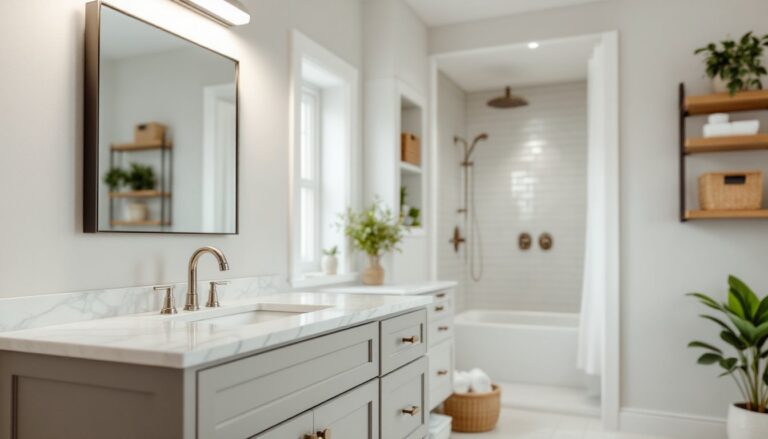
Storage is where many bathroom remodels fail. A floating vanity with drawers, a tall cabinet, open shelving above the toilet, and a medicine cabinet stacked vertically give you options. Recessed shelving in the shower saves space. Pedestal sinks look clean but offer zero storage, fine for a guest bath, risky for a master. Drawer dividers and vertical organizers keep items accessible without clutter. Think about what you’re actually storing: towels, toiletries, cleaning supplies, hair tools. Underestimate and you’ll end up with countertop junk. ImproveNet’s cost guides and planning tools help you map storage needs before shopping for fixtures.
DIY-Friendly Updates and Budget-Conscious Alternatives
Not every bathroom remodel requires a contractor. Painting, new hardware, a new mirror, caulking, and simple vanity swap are DIY-doable if you have basic tools and patience. Prep is everything: clean and lightly sand the walls, use quality primer for bathrooms (it resists moisture better), and apply two coats of semi-gloss or high-gloss paint. Bathroom paint typically costs $30–$50 per gallon: expect 300–400 sq ft coverage per gallon depending on color and surface.
Replacing a vanity is doable solo if you’re confident with a wrench and shutoff valves. Turn off the supply, drain the lines, unbolt the old vanity, cap the drain (or redirect it if plumbing changed), and set the new one. Many modern vanities come pre-assembled with faucets installed. If the new vanity is wider and needs more supply lines, hire a plumber for an hour rather than guessing, it’s cheaper than a water leak. New hardware (towel bars, rings, hooks, paper holder) costs $100–$300 for a full set and snaps on in an hour.
Budget alternatives: subway tile instead of marble, LVP instead of hardwood, a frameless mirror instead of a custom cabinet, and chrome instead of high-end finishes all reduce cost without looking cheap. Bathroom redo ideas that save money include reusing existing framing (don’t move plumbing), patching drywall carefully (ugly patches are visible and cost morale), and choosing durable basics over trendy items. A solid white ceramic tile with simple grout will outlast and out-please a trendy pattern in five years.
Consider professional help for plumbing, electrical, and structural work, especially in older homes where codes have tightened. Most jurisdictions require permits for bathroom remodels and inspections for plumbing and electrical. The permit costs $200–$500 in many areas but ensures your work meets code and protects resale value. A guide to hiring the right contractor ensures the professional work stays on schedule and budget while you handle what you can DIY.