Table of Contents
TogglePlanning a bathroom renovation means asking one question right away: what’s this actually going to cost? Whether you’re updating a powder room or overhauling your master bath, understanding bathroom renovation costs is the first step to a realistic budget. In 2026, most homeowners spend between $3,000 and $30,000, with the average landing around $12,000 to $16,000. But that number depends heavily on scope, materials, location, and whether you’re making cosmetic updates or tackling structural changes. This guide breaks down where money goes, what drives costs up, and how to keep a project on track without cutting corners on quality or safety.
Key Takeaways
- The cost of bathroom renovation ranges from $3,000 to $30,000 in 2026, with most homeowners spending between $12,000 and $16,000 depending on scope and materials.
- Labor typically accounts for 40–65% of your bathroom renovation budget, making contractor selection and experience critical to project success.
- Master bath overhauls average around $23,000 while powder room updates cost between $3,000 and $6,000, so limiting scope saves thousands without sacrificing quality.
- Material choices like ceramic tile instead of marble and stock vanities instead of custom cabinetry significantly reduce bathroom renovation costs without compromising durability or aesthetics.
- Setting aside 10–15% contingency for unexpected issues like water damage or hidden plumbing problems is essential smart planning for any bathroom project.
- Getting multiple detailed bids from contractors, using standard-size fixtures, and keeping plumbing in its current location are practical ways to keep costs realistic and prevent overruns.
Average Bathroom Renovation Costs by Scope
The cost of bathroom renovation varies dramatically based on how much work you’re actually doing. A fresh paint job and new fixtures cost far less than ripping out walls and reconfiguring plumbing. Here’s what you can expect across three common project types.
Powder Room Updates
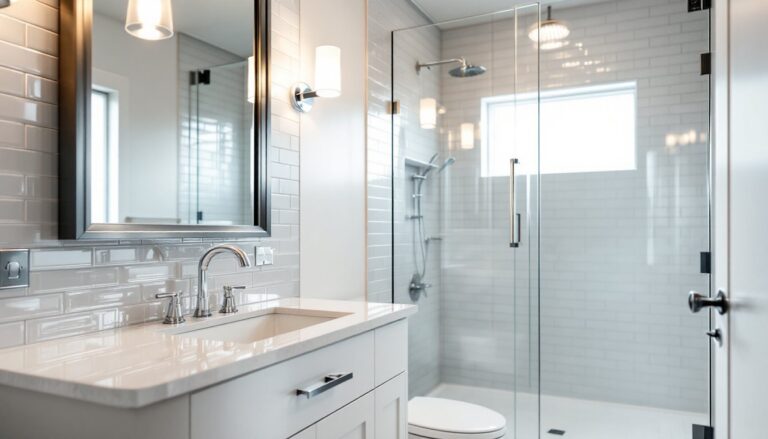
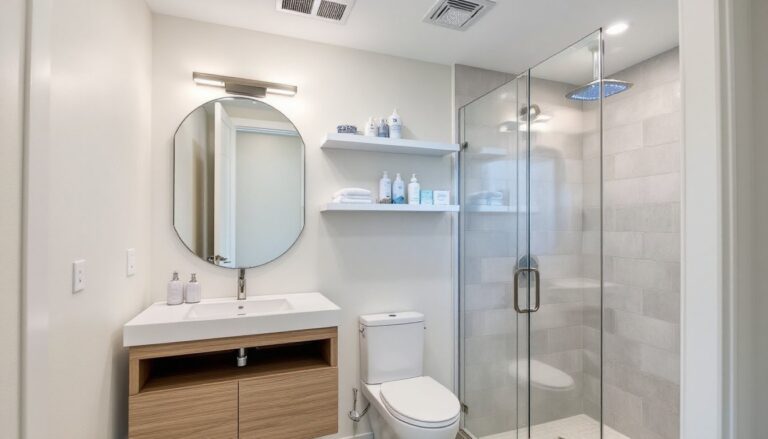
A powder room, that small half bath near the front door, typically runs 25–30 square feet. These projects are usually the most budget-friendly bathroom update. Expect a national range of $1,500 to $15,000, with most basic refreshes landing between $3,000 and $6,000. A typical small bathroom remodel in this category includes a new toilet, compact vanity or pedestal sink, updated faucet, fresh lighting, and paint. When you stick to standard sizes and off-the-shelf fixtures, you stay on the lower end. The price climbs if you’re adding custom cabinetry, luxury tile work, or moving plumbing lines.
Full Master Bath Overhauls
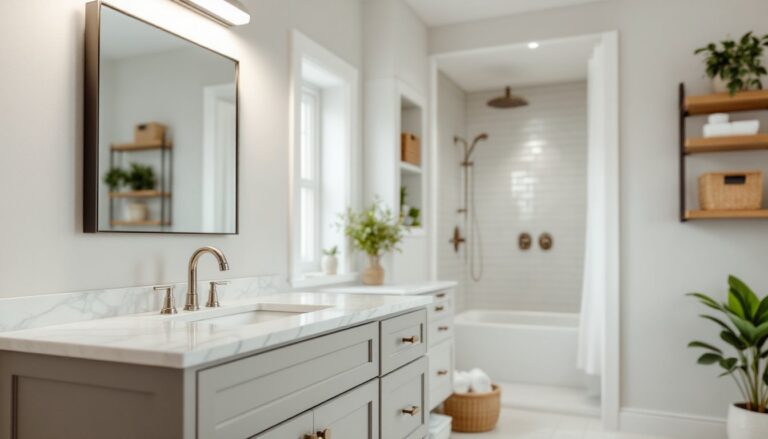
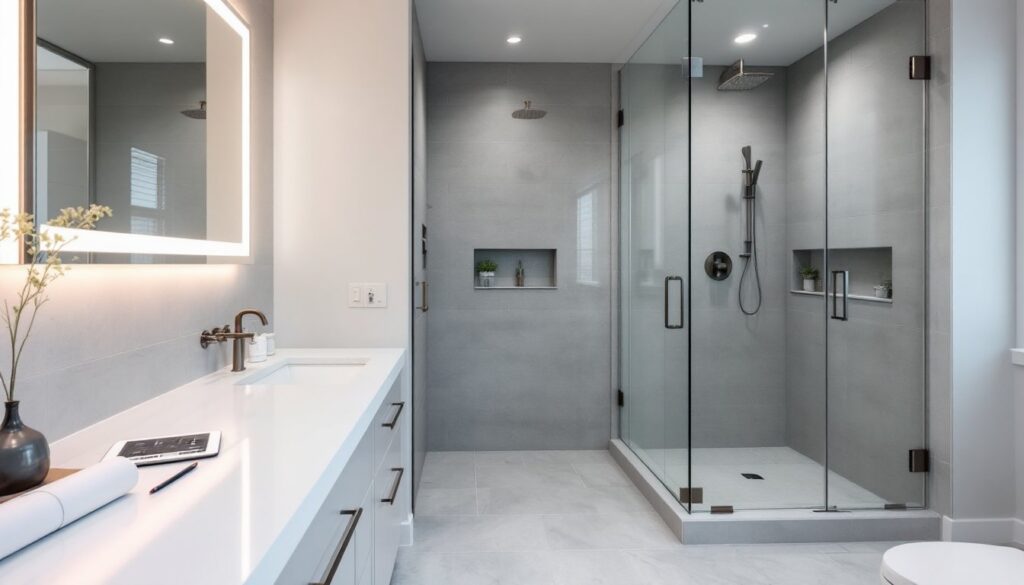
Your primary bathroom is bigger, usually 80 to 150 square feet, and often more complex. A full master bath renovation typically ranges from $8,400 to $30,000, with many projects averaging around $23,000. At this scale, you’re often looking at reconfigured layouts, a custom or separate shower area, a soaking tub, double vanity, extensive tile work, upgraded ventilation, and better lighting. If you’re dealing with a small bathroom renovations budget but want a high-end finish, you’ll pay more per square foot because of the detailed work involved. Luxury finishes, marble, custom cabinetry, spa-like features, can push full master bath projects well past $40,000.
Major Cost Drivers in Bathroom Renovations
Six main factors control what you’ll pay. Understanding each one helps you make smarter choices about where to invest and where to trim.
Size and scope come first. More square footage and gut-and-replace work naturally increase labor and materials. A 30-square-foot powder room costs less to overhaul than a 120-square-foot master bath, simply because there’s more to redo.
Finish level and materials make a huge difference. Ceramic tile might run $2 per square foot, while natural stone can exceed $100 per square foot. Sheet vinyl flooring costs $1–$4 per square foot: marble runs $70-plus. Premium finishes add up fast.
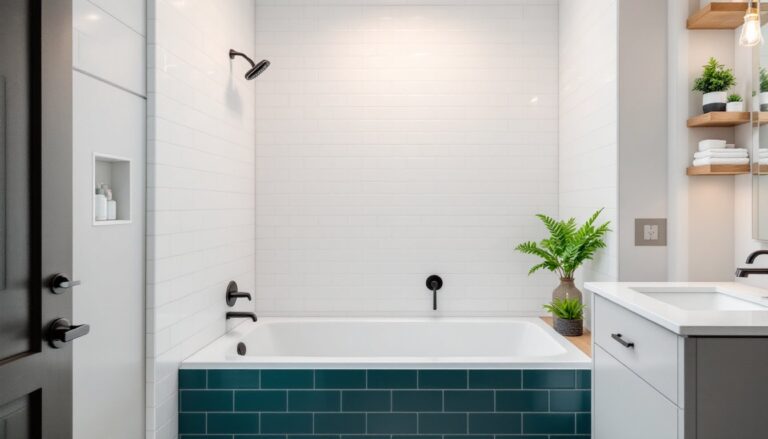
Wet area work, showers and tubs, is expensive because it requires waterproofing, proper drainage, and skilled installation. A basic shower remodel ranges $300–$15,000 depending on whether you’re replacing a tub surround or building a full custom tile shower. Bathtub replacement alone runs $2,000–$9,400.
Plumbing and layout changes increase both labor and material costs significantly. Moving drain lines, adding fixtures, or replacing outdated copper or galvanized pipes takes more time and expertise.
Electrical and code upgrades are mandatory. GFCI (ground fault circuit interrupter) outlets, dedicated circuits for exhaust fans, and better lighting all cost more but are non-negotiable for safety and code compliance.
Structural and hidden issues can blow a budget. Water damage, mold, rotted subfloor, or outdated electrical wiring aren’t always visible until demo begins. Setting aside 10–15% contingency for surprises isn’t pessimism, it’s smart planning.
Geography also matters. Labor rates vary by region, with California and major metros running 20–30% higher than rural areas. A basic bathroom renovation in California might cost $3,000–$7,000, while the same work in other regions could run $2,000–$5,000.
Labor vs. Materials: Where Your Money Goes
Labor typically eats up 40–65% of a bathroom renovation budget. In many cases, you’re paying contractors, plumbers, and electricians more than you’re paying for tile, fixtures, and paint combined.
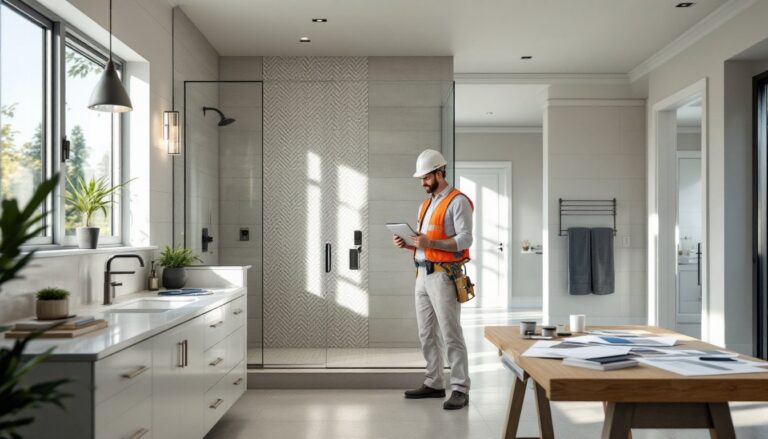
Contractor rates vary by location and experience. A skilled bathroom remodeler in California might charge $50–$100 per hour: a plumber could run $45–$200 per hour depending on complexity and local rates. Electricians follow a similar range. If your project requires structural work, permits, or inspections, add time and cost.
Materials break down roughly like this: cabinets and hardware account for about 16% of total cost, faucets and plumbing fixtures around 15%, and toilet/tub/shower base another 15%. The remaining percentage covers tile, countertops, lighting, paint, mirrors, and accessories. When you choose midrange materials, ceramic instead of marble, stock vanities instead of fully custom, you shift that percentage meaningfully. A small bathroom remodel with budget constraints benefits most from smart material choices, not corner-cutting on labor quality.
Money-Saving Strategies for Your Bathroom Project
Smart planning controls cost without sacrificing function or durability. Here are practical ways to keep a bathroom cost renovation realistic.
Limit scope. A refresh, new paint, updated hardware, swapped-out lighting, simple vanity replacement, costs a fraction of a full gut job. Avoid major layout changes and keep plumbing in its current location whenever possible. Staying with existing footprints saves thousands.
Choose midrange materials. Ceramic or porcelain tile delivers durability and looks good without the premium price of natural stone. Prefabricated shower units work better than fully custom tiled showers when budget matters. Stock or semi-custom vanities offer style without the six-week lead time and markup of bespoke cabinetry.
Use standard sizes and stock products. Specialty fixtures, custom widths, or non-standard dimensions create delays and cost overruns. Off-the-shelf toilet, tub, and sink sizes are cheaper and readily available.
Get multiple bids. Three detailed quotes from different contractors let you compare labor rates, materials specifications, and scope definitions. This also reveals which contractors understand your project clearly versus those padding estimates.
Plan contingencies. Set aside 10–15% of your budget for the unexpected. Water damage behind walls, plumbing surprises, or discovered mold isn’t rare in older homes. You’d rather have extra money than be halfway through a project with an empty fund.
Do limited DIY if qualified. Non-technical tasks like demolition prep, painting, or removing old fixtures can trim labor costs. Leave plumbing, electrical, tile installation, and waterproofing to licensed professionals. Mistakes in those areas create leaks, code violations, and costly rework. Resources like ImproveNet offer contractor connections and project planning tools to keep everything organized and professional. For specific regional guidance, check out detailed planning resources like bathroom renovation costs guides that break down typical expenses by region and project type.
Conclusion
Bathroom renovation costs in 2026 range from $3,000 for modest updates to $30,000-plus for high-end full remodels. The average hovers near $12,000–$16,000. Size, scope, finish level, and local labor rates drive the numbers. Labor comprises roughly half your budget, making contractor selection and scope clarity critical. By limiting scope, choosing smart materials, and planning for contingencies, you’ll hit your target without cutting quality or safety corners. Start with clear priorities, get multiple bids, and keep a cushion for surprises. That’s how successful bathroom projects stay on budget and on schedule.