Table of Contents
ToggleA bathroom renovation can transform one of your home’s most-used spaces, but the price tag depends entirely on your scope and priorities. Whether you’re refreshing fixtures or gutting the entire room, understanding bathroom renovation costs upfront helps you make confident decisions. In 2026, bathroom renovations range from modest cosmetic updates to high-end luxury overhauls, with costs influenced by labor, materials, location, and structural changes. This guide breaks down real numbers by project scope so you can plan a bathroom redesign cost that fits your budget and goals.
Key Takeaways
- Bathroom renovation price ranges from $3,000 for budget cosmetic updates to over $25,000 for luxury overhauls, with labor, materials, location, and layout changes as primary cost drivers.
- Keeping your existing layout intact is the single biggest way to save on a bathroom renovation price, potentially saving $3,000–8,000 by avoiding plumbing and electrical relocation.
- Mid-range bathroom renovations ($8,000–$16,000) typically recoup 60–70% of costs at resale, making them a smart investment for homeowners seeking both functionality and return on investment.
- Plan for unexpected costs by budgeting a 10–15% contingency for hidden structural issues, asbestos abatement, or material price changes discovered during demolition.
- Get multiple contractor quotes with detailed breakdowns (labor, materials, timeline, contingency) and establish a payment schedule of 25% deposit, 50% at midpoint, and 25% upon final completion to protect your investment.
Average Bathroom Renovation Costs By Project Scope
The cost of renovation of a bathroom varies dramatically based on whether you’re doing a quick refresh or a complete overhaul. National averages range from $3,000 to over $25,000, but your actual spend depends on what you’re replacing and where you live.
Budget-Friendly Renovations
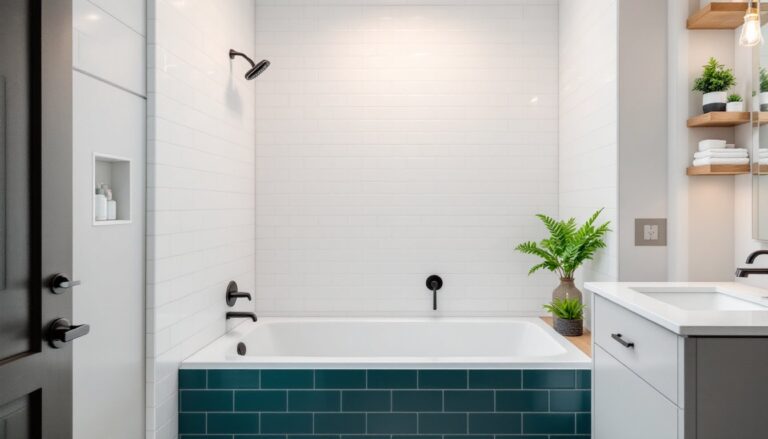
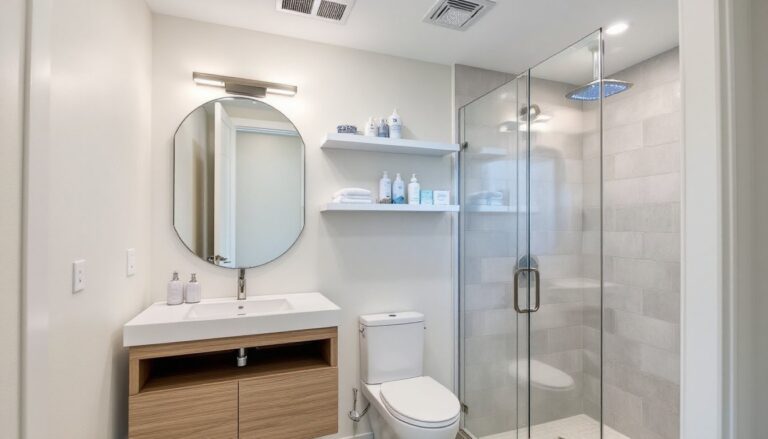
A budget-friendly bathroom renovation, think new paint, fixtures, and hardware, typically costs $3,000 to $8,000. These projects focus on cosmetic updates: replacing the vanity, upgrading lighting, installing new mirrors, and regrouting tile. You keep the existing layout, plumbing, and electrical rough-in in place. Most DIYers can tackle painting, hardware installation, and minor demolition themselves, which saves thousands in labor. Materials for this tier include mid-range faucets, vinyl flooring or refinished tile, and standard vanity cabinets. The beauty here is that a fresh coat of paint and new hardware can make a dated bathroom feel current without requiring permits or structural work.
Mid-Range Renovations
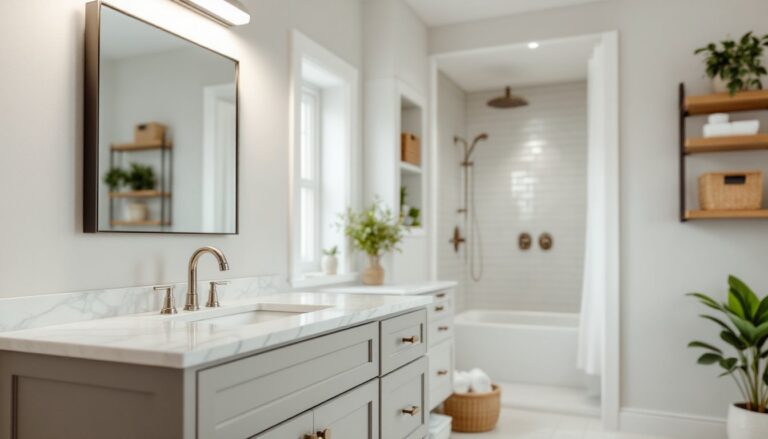
Mid-range bathroom renovations run $8,000 to $16,000 and involve partial updates plus some structural or plumbing changes. Expect to replace flooring, install new tile work, upgrade to better-quality fixtures, and possibly reconfigure one or two layouts (like repositioning the vanity or adding a second sink). A typical mid-range project might include new drywall, ventilation upgrades, partial lighting updates, and a modest tile shower surround. Labor becomes significant at this level since plumbing and electrical work usually requires licensed professionals. Material choices matter: ceramic tile costs less than natural stone, and stock cabinetry runs cheaper than semi-custom options. Most homeowners see a strong return here, mid-range bathroom renovations recoup 60–70% of their cost at resale in many markets.
Luxury Renovations
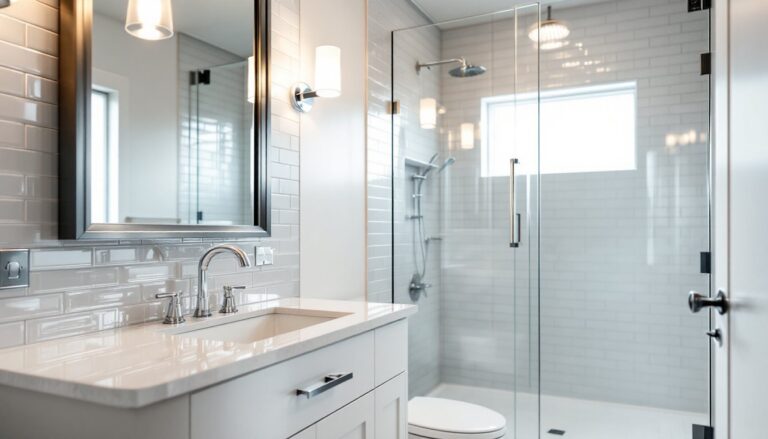
Luxury bathroom renovations start at $16,000 and easily exceed $40,000, sometimes reaching six figures for premium materials and custom work. These projects include high-end finishes: natural stone countertops and tile, custom cabinetry, heated floors, spa-grade fixtures, designer lighting, and possibly a complete layout redesign with relocated plumbing and electrical. A luxury scope might add a freestanding soaking tub, walk-in shower with multiple showerheads, radiant heating, smart mirrors, or designer tile work. Professional labor is essential, you’re paying for skilled tile setters, plumbers, and electricians who handle complex installations. The bathroom redesign cost at this level reflects premium materials, custom fabrication, and often extended timelines (3–4 months vs. 4–6 weeks for mid-range work).
Major Cost Factors That Impact Your Budget
Several variables shift bathroom renovation costs up or down, and understanding them helps you anticipate the true expense of renovate bathroom projects.
Bathroom Size and Layout Changes are primary cost drivers. A small powder room (35–50 sq. ft.) costs far less to renovate than a master bath (100+ sq. ft.). Relocating plumbing and electrical lines multiplies costs significantly, moving a toilet or shower requires new rough-in work, which means opening walls, running new lines, and often pulling permits. Keeping your existing layout saves thousands.
Material Selection accounts for a large portion of the budget. A basic ceramic tile floor at $2–4 per sq. ft. installed differs vastly from natural stone at $8–15 per sq. ft. Similarly, a stock vanity ($300–600) versus a semi-custom cabinet ($1,200–2,500) changes your bottom line. Fixture quality matters too: a builder-grade faucet costs $50–150, while a quality mid-range model runs $200–400, and designer faucets exceed $800.
Structural and Hidden Issues often blindside budgets. If your home has an older vanity, subfloor damage or mold behind walls becomes apparent only after demolition. Asbestos in old tile or drywall, which is common in homes built before the 1980s, requires licensed abatement (add $500–1,500). Plumbing surprises, galvanized pipes that need replacement, or drainage issues, cost extra. Always budget 10–15% contingency for the unexpected.
Labor Costs vary by region and trade. Plumbers, electricians, and tile setters in high-cost urban areas charge 40–60% more than rural regions. A licensed plumber runs $75–150 per hour: electricians, $80–200 per hour. Tile work is often priced per sq. ft. ($8–20 depending on complexity). Labor typically consumes 40–50% of the total budget on mid-range projects.
Permits and Inspections add $300–1,000 depending on your jurisdiction and project scope. Most full renovations require permits for plumbing, electrical, and structural changes. Skipping permits creates liability and resale complications, don’t skip them.
Ways To Save Money On Your Bathroom Renovation
Smart choices let you trim costs without gutting quality or safety.
Keep the Layout Intact. This is the single biggest savings opportunity. Relocating plumbing and electrical can add $3,000–8,000 to your project. If your current layout works, leave it alone.
Choose Your Upgrades Strategically. Splurge on high-touch items like faucets, mirrors, and lighting, things you interact with daily and see constantly. Skimp on less-visible areas: basic tile works fine for behind-toilet walls: save natural stone for the vanity surround where it shows.
DIY Labor Where Safe. Painting, installing hardware, removing old fixtures, and simple demo work are doable for most homeowners. Painting alone saves $800–1,500 in labor. Leave plumbing, electrical, and structural work to licensed professionals, mistakes cost far more to fix than the labor you’d save.
Source Materials Yourself. Working with a contractor who supplies materials often carries a 20–30% markup. If you find and supply tile, flooring, fixtures, and vanity yourself, you can negotiate better pricing and retain control. But, have your contractor review selections for fit and compatibility before you buy.
Use Stock Cabinetry and Fixtures. Semi-custom and custom cabinets add weeks to timelines and cost 2–3 times more than stock options. Stock vanities from big-box retailers offer solid quality and come in standard sizes that fit most plumbing rough-ins.
Batch Similar Work. If you’re planning multiple bathroom renovations in your home, doing them back-to-back with the same contractor reduces setup costs and allows better material bulk-buying. A contractor ramped up on your home works faster and more efficiently on the second bath.
Phase the Project. Rather than gutting everything at once, tackle it in stages: refresh cosmetics year one (paint, fixtures, hardware), then upgrade plumbing or flooring year two. Phasing spreads costs and lets you prioritize what matters most to your daily life.
Planning Your Bathroom Renovation Timeline And Budget
A realistic plan keeps your project on track and budget in check.
Set Your Total Budget First. Decide how much you can spend overall, then break it into categories: labor, materials, permits, contingency. A common split is 50% labor, 40% materials, 10% contingency. National data from HomeAdvisor bathroom remodel cost guides and Angi’s bathroom remodeling breakdown confirm this ratio holds across most project sizes.
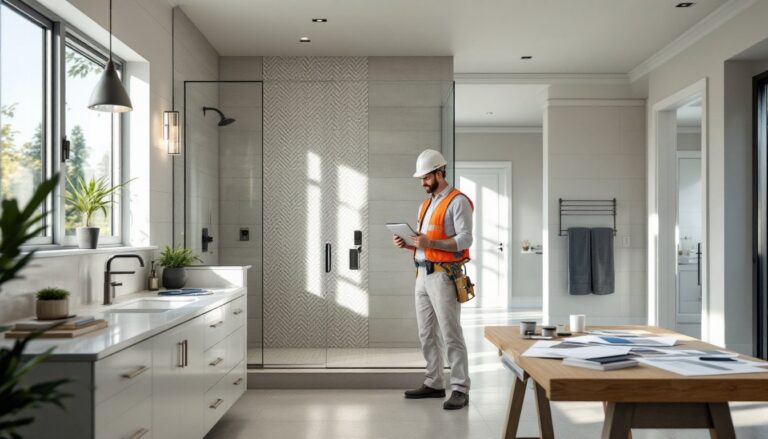
Get Multiple Quotes. Interview at least three contractors. A quality estimate includes a detailed breakdown: labor hours, material lists with costs, timeline, and a contingency percentage. Be wary of quotes that lump everything into one number, you can’t troubleshoot surprises later. Quotes typically take 1–2 weeks as contractors review your space and plans.
Plan for 4–8 Weeks Minimum. Budget-friendly cosmetic renovations take 2–3 weeks: mid-range projects, 4–6 weeks: luxury builds, 8–12+ weeks. Weather, material delays, and hidden issues extend timelines. If you have one bathroom, plan to live without it during renovation, consider staying elsewhere or budgeting for temporary arrangements.
Create a Material Timeline. Long-lead items (custom cabinetry, special tile orders, fixtures) need 4–8 weeks lead time. Order these early to avoid delays once construction starts. Standard materials from big-box retailers ship in 1–2 weeks, so those can wait.
Establish a Payment Schedule. Most contractors request deposits (typically 20–30%) upfront, then progress payments tied to milestones (rough-in complete, tile work done, final inspection). Never pay in full before work is complete. A typical schedule is 25% deposit, 50% at midpoint, 25% on final completion and inspection. This protects both you and the contractor.
Build in a Contingency Buffer. Allocate 10–15% of your budget for unknowns. If your project runs $10,000, keep $1,000–1,500 aside for asbestos removal, structural repairs, or material price changes. When you live with nothing popping up, that money becomes your padding for premium finishes or underspend.
A comprehensive bathroom renovation guide walks through cost structures region by region, and location-specific resources like Pittsburgh bathroom renovation planning help you account for local labor rates and code requirements. Regional variations matter, labor and material costs in Calgary, Philadelphia, and Nashville differ noticeably from national averages.